Blaise Pascal
1972
No user ratings available yet
Representation score: 0.3 out of 10
Representation Score
Limited
1974
Director
Roberto Rossellini
Runtime
162 minutes
Average Rating
No ratings yetNew Showbiz Analysis
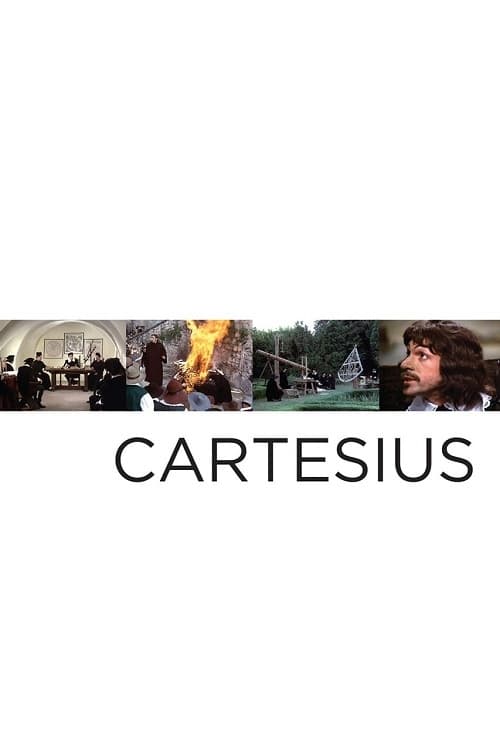
Rossellini’s biographical drama centers on the internal cognitive processes of René Descartes. The film serves as a period piece that highlights the intellectual tension between emerging rationalism and established institutional authority. While the film reflects the demographics of the 17th century, it offers progressive themes by exploring the deconstruction of traditional dogmas. However, the narrow focus on a singular male philosopher limits representation for gender, race, and LGBTQ+ identities.
Category Breakdown
The film does not explicitly depict non-straight relationships or identities. Given its setting as a period drama, it focuses more on intellectual history rather than LGBTQ+ issues.
The male protagonist, Descartes, takes a central role in driving the story. Female characters likely play secondary or domestic roles within this 17th-century biography.
The story centers around a homogeneous Western European cast. It follows a traditional historical perspective that does not significantly explore racial or ethnic diversity.
The film examines the Age of Reason by focusing on Descartes' skepticism. It challenges religious dogma and the absolute authority of the Church through rational thought.
There is no indication of characters with physical or neurodivergent disabilities in the narrative.
Present on Screen
Limited or Absent
Official Synopsis
Rossellini's interpretation of Descartes' life.
1972
1950
1982

1974
1977

1986
1977

1937
No reviews yet. Be the first to share your thoughts on this movie!
Use the rating form above to leave a star rating and optional review.