An Italian Romance
2004
No user ratings available yet
Representation score: 1.4 out of 10
Representation Score
Minimal
1972
Director
Valerio Zurlini
Runtime
132 minutes
Average Rating
No ratings yetNew Showbiz Analysis
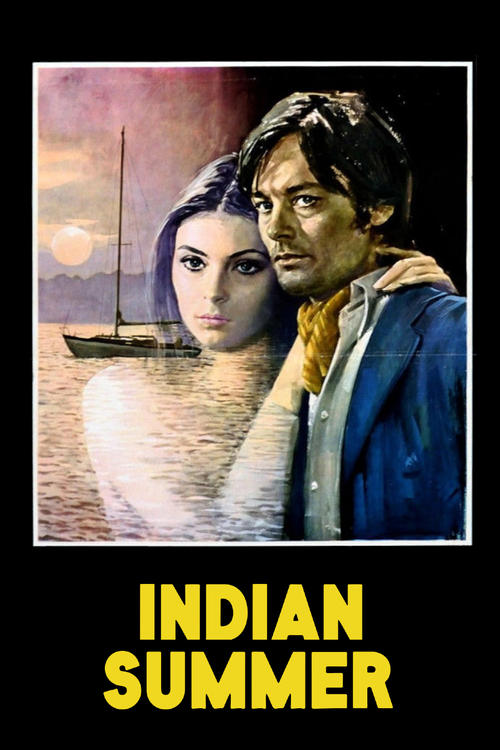
Indian Summer is a contemplative character study that prioritizes psychological interiority over sociopolitical disruption. It functions as a traditionalist piece of European art cinema, focusing on the existential melancholy of its protagonists rather than challenging social hierarchies. The film's narrow focus on the European bourgeoisie results in a lack of racial and ethnic diversity. The setting reinforces a Eurocentric social environment that remains largely unchallenged by the narrative. While the film offers nuanced depictions of human connection, its structural reliance on traditional gender roles and straight-centered romance limits its overall diversity impact.
Category Breakdown
The film operates within a strictly heterosexual and cisgender framework. Emotional conflicts center entirely on romantic tensions between male and female characters, with no presence of LGBTQ+ identities.
The narrative explores power imbalances through the age gap between a professor and his student. Female characters have emotional complexity but largely exist to support the male protagonist's psychological development.
The cast is highly homogeneous, reflecting a specific mid-century Italian socioeconomic context. The story focuses exclusively on the European upper-middle class without including diverse ethnic perspectives.
The film maintains a neutral, introspective atmosphere that respects the status quo. It avoids both rigid religious morality and active secularist critiques, focusing instead on individual existentialism.
There are no prominent depictions of visible or invisible disabilities. Characters with disabilities are not used as significant plot devices within the narrative.
Present on Screen
Limited or Absent
Official Synopsis
In Italy, the gambler and professor of poetry Daniele Dominici arrives in the seaside town of Rimini and is hired to teach for four months in the local high school replacing another teacher. His relationship with his partner Monica is in crisis and he spends most of the time with his new acquaintances and gamblers Giorgio, Marcello and Gerardo. In classroom, he meets the gorgeous nineteen years old student Vanina Abati, who is Gerardo's girlfriend.
2004
1976
1978

1966
1969
1955
1962

1996
No reviews yet. Be the first to share your thoughts on this movie!
Use the rating form above to leave a star rating and optional review.