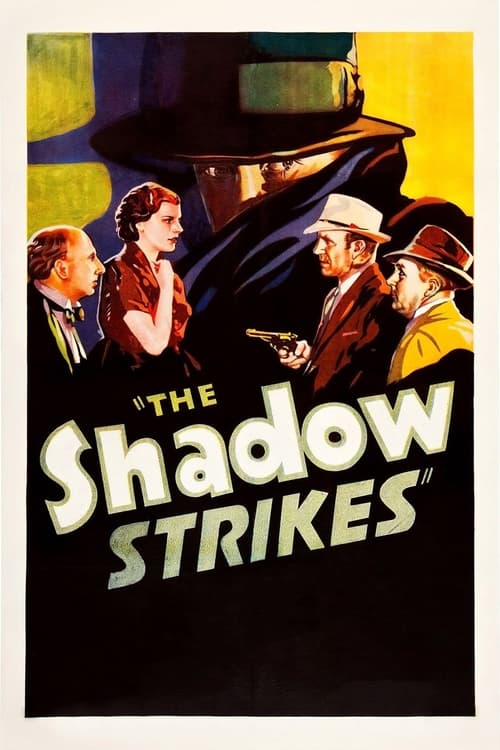
The Shadow Strikes
1937
No user ratings available yet
Diversity score: 2.6 out of 10

1937
ApprovedDirector
Charles C. Coleman
Runtime
59 minutes
Average Rating
No ratings yetSynopsis
Mary Gillespie is restoring the Col. Gillespie Circus to its former splendor after her father's death. With the help of her publicist boyfriend Jim, the sell-out crowds are returning to the big top. Egotistical equestrian star Senor Martinet, however, holds $60,000 of notes signed by the Colonel and due in 24 hours. When a mysterious shadowy figure is seen on the circus lot, and Martinet is murdered in the center ring during his performance, there are suspects aplenty, including Vindecco, Martinet's badly abused hunchback assistant.
Overall Score
Limited
Category Breakdown
LGBTQ+ Representation
The film lacks any evidence of LGBTQ+ characters or non-cisnormative identities. The central romance follows a traditional heterosexual dynamic between Mary Gillespie and her boyfriend, Jim.
Gender Representation
Mary Gillespie provides a moderate level of agency as she manages her father's circus. However, the plot remains anchored in male-centric conflicts like debt and murder.
Racial & Ethnic Diversity
The narrative appears to lean toward the homogeneous casting norms of the 1930s. While 'Senor Martinet' suggests an ethnic background, there is no evidence of meaningful intersectional depth.
Religious & Cultural Diversity
The story adheres to conventional Western storytelling tropes regarding property and justice. It operates within a standard capitalist framework without deconstructing Western institutions.
Disability Representation
Vindecco is portrayed as an abused hunchback assistant. This risks using physical disability as a mere narrative device or a marker of 'otherness' rather than a fully realized character.
Strengths
Areas for Improvement
AI Analysis
The Shadow is a standard 1930s mystery that operates within the established social hierarchies of its era. While it avoids total homogeneity by centering a female protagonist in a leadership role, the film's core conflicts remain rooted in traditional power dynamics. Representation of marginalized identities is minimal or relies on outdated tropes. The inclusion of a character with a physical disability appears to serve a specific archetype rather than offering authentic agency. Ultimately, the film functions as a period-typical genre piece. It lacks the intentionality required to disrupt the conventional expectations of gender, race, or identity prevalent in 1937 cinema.
1937
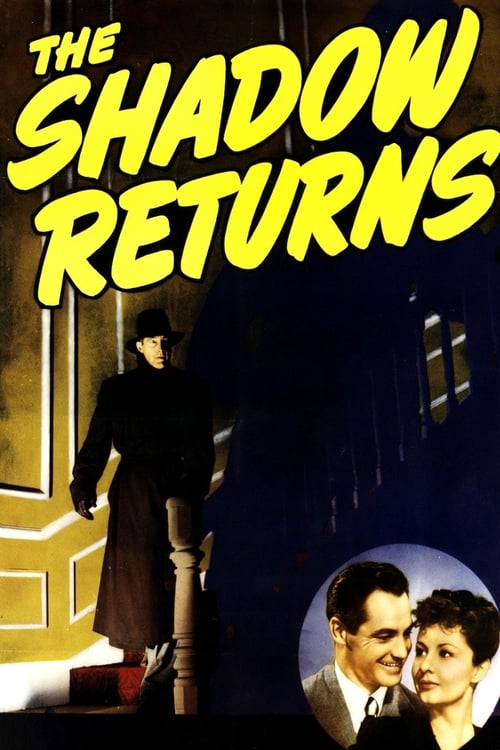
1946
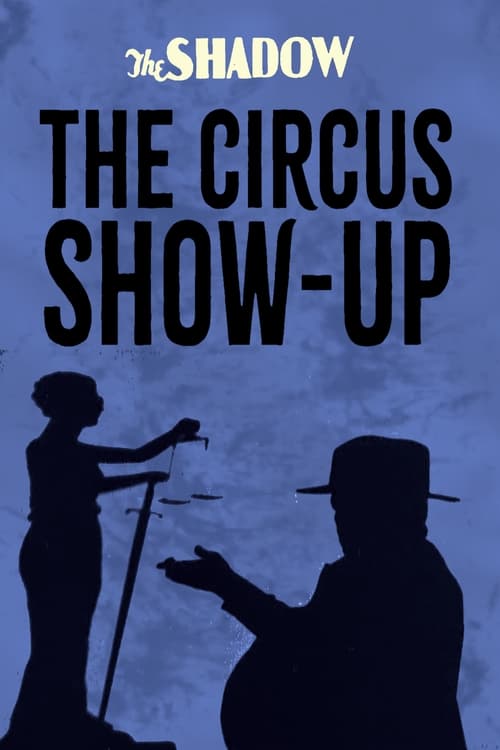
1932
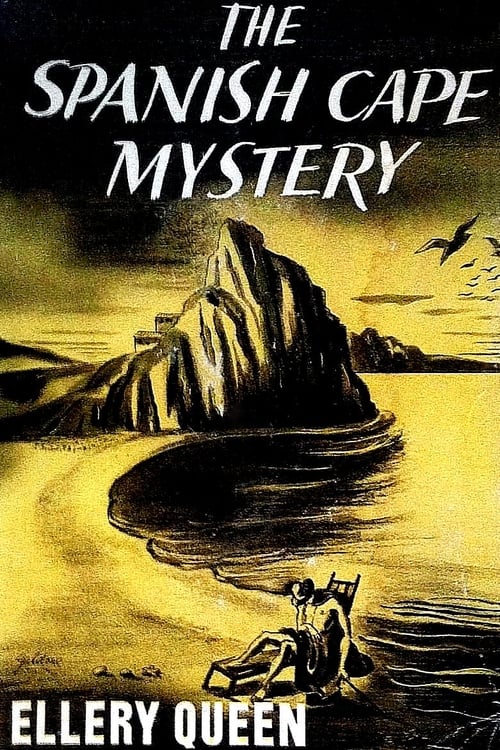
1935
1952
1937
1936
1934
1936

1934
1929
1937
No reviews yet. Be the first to share your thoughts on this movie!
Use the rating form above to leave a star rating and optional review.