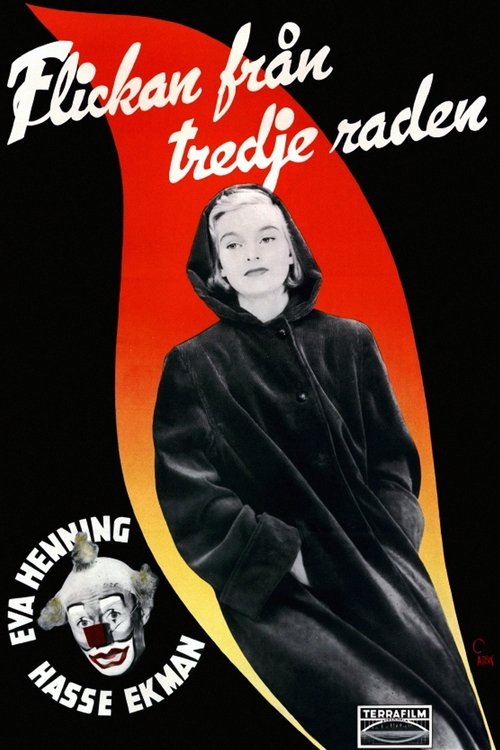
The Girl from the Third Row
1949
No user ratings available yet
Diversity score: 4.7 out of 10

1933
Director
Victor Saville
Runtime
89 minutes
Average Rating
No ratings yetSynopsis
It is pouring with rain at one minute to midnight on Friday the thirteenth, and the driver of a London bus is peering through his blurred windscreen as his vehicle sails down an empty road. Suddenly, lightning strikes, and a vast crane above topples into the path of the oncoming bus... Then Big Ben begins to wind backwards. Time recedes. And we discover the lives of all the passengers and the events that brought them to that late-night bus journey, from the con-man with a hundred-pound cheque to the businessman's distraught and elderly wife. Time flows on, inevitably, to the crash -- and past it, as some live and some die.
Overall Score
Limited
Category Breakdown
LGBTQ+ Representation
The film lacks evidence of non-heteronormative identities or same-sex intimacy. The narrative focuses on established social roles typical of 1933 British cinema.
Gender Representation
Female characters, such as the businessman's distraught wife, appear defined by their emotional states and relationships to men. This suggests female agency may be secondary to male-driven arcs.
Racial & Ethnic Diversity
The story likely reflects the demographic homogeneity of 1930s London. The narrative architecture prioritizes a localized, Western social hierarchy without explicit ethnic diversity.
Religious & Cultural Diversity
The film explores urban complexities through crime and commerce. While it touches on social fringes like the criminal underworld, it remains rooted in early 20th-century social mores.
Disability Representation
There is no indication of characters with visible or invisible disabilities within the narrative.
Strengths
Areas for Improvement
AI Analysis
Victor Saville’s 1933 drama is a structural experiment that uses a reverse-chronological lens to examine a cross-section of London society. By deconstructing the lives of passengers leading up to a bus crash, the film creates a social tapestry of various classes. However, this complexity is primarily temporal rather than identity-based. The film operates within the traditional demographic and social boundaries of its era, focusing on established archetypes like the con-man and the businessman. While the ensemble approach offers a wide view of human experience, it does not subvert systemic hierarchies or introduce diverse identities beyond the standard social strata of the time.
1949
1939

1938
1973
2006
1939

1998
1954
1963
2005
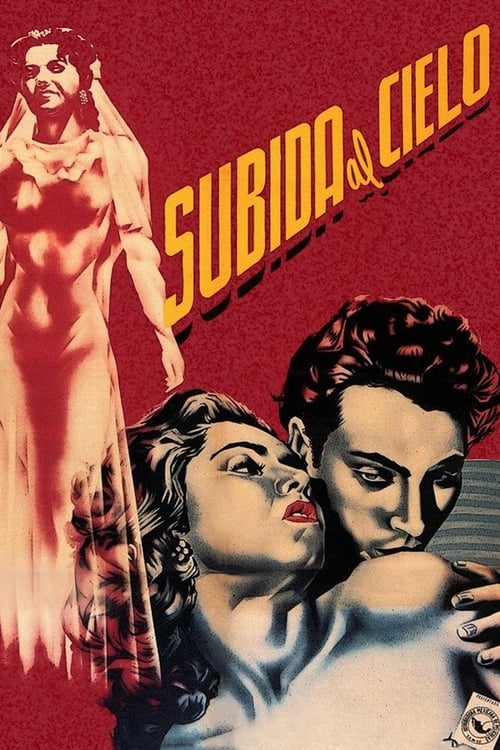
1952
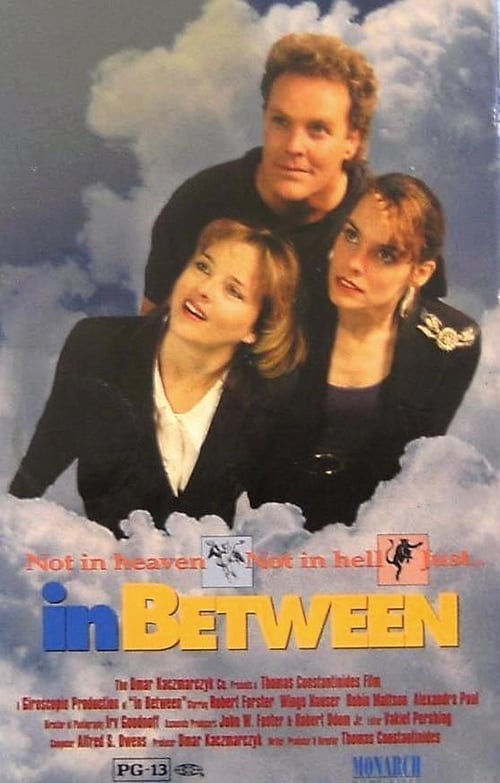
1991
No reviews yet. Be the first to share your thoughts on this movie!
Use the rating form above to leave a star rating and optional review.