
Mexican Bus Ride
1952
No user ratings available yet
Representation score: 8.4 out of 10
Representation Score
Limited
1954
Director
Luis Buñuel
Runtime
90 minutes
Average Rating
No ratings yetNew Showbiz Analysis
Luis Buñuel’s direction suggests a film designed to dismantle conventional social logic. The narrative uses a chaotic, unauthorized streetcar ride to critique the sanctity of civic order and institutional authority. While the film lacks explicit diversity in terms of gender and race, its strength lies in its cultural subversion. It prioritizes situational ethics over legalistic frameworks, using surrealism to challenge the stability of mid-century social structures. Ultimately, the work functions more as a critique of institutional power than a showcase for diverse identity representation.
Category Breakdown
The film does not explicitly include LGBTQ+ characters or themes. While the director often explores unconventional desires, there is no specific evidence of queer representation.
The plot centers on two male municipal workers, creating a male-dominated narrative. However, the film's chaotic situations likely serve to disrupt traditional patriarchal social hierarchies.
The representation likely reflects the demographic norms of 1954. Without specific details on a multi-ethnic ensemble, the casting appears to follow period-typical patterns.
The story offers a strong critique of institutional rigidity and civic order. By centering on the subversion of state property, it challenges traditional Western institutional norms.
There is no information available regarding the depiction of physical or neurodivergent disabilities within the narrative.
Present on Screen
Limited or Absent
Official Synopsis
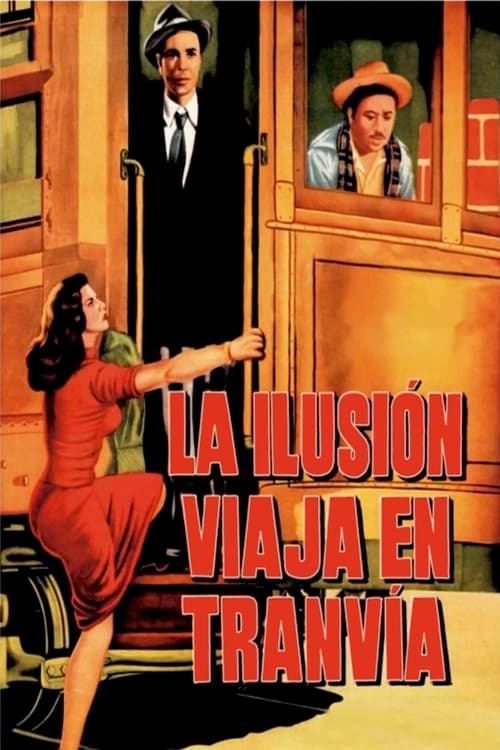
Confronted with the unfortunate news that their favorite Streetcar, no. 133, is going to be decommissioned, two Municipal Transit workers get drunk and decide to "take 'er for one last spin," as it were. Unfortunately, the "one last spin" ends up being an all-night and all-day scramble to stay out of trouble, as they are confronted with situation after sometimes bizarre situation that prevents them from returning the "borrowed" Streetcar!
1952

1955
1948
1956
1969

1941

1959
1981
No reviews yet. Be the first to share your thoughts on this movie!
Use the rating form above to leave a star rating and optional review.