The Admiral Was a Lady
1950
No user ratings available yet
Diversity score: 2.3 out of 10
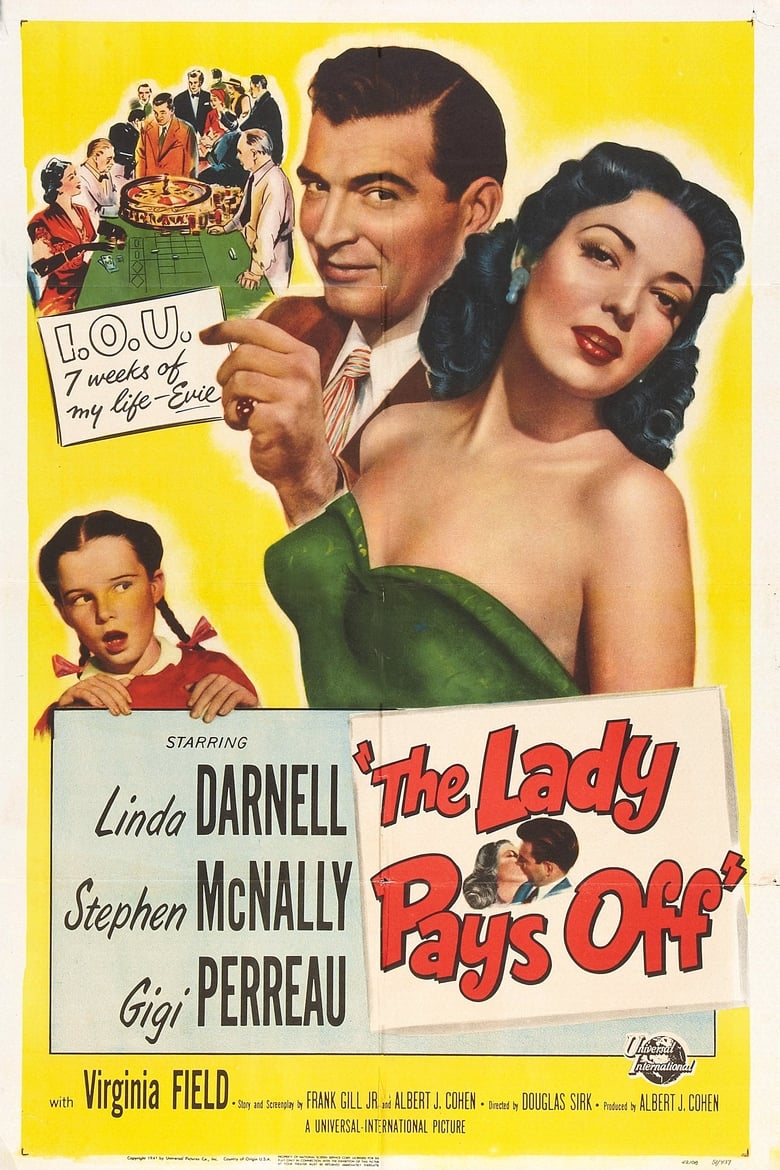
1951
ApprovedDirector
Douglas Sirk
Runtime
80 minutes
Average Rating
No ratings yetSynopsis
The naive Evelyn Warren, elected school teacher of the year by Time Magazine, goes to Las Vegas, where she loses a lot of money. In order to pay her debts, casino manager Matt Braddock asks her to take care of his sad little daughter Diana.
Overall Score
Limited
Category Breakdown
LGBTQ+ Representation
The film focuses on a heterosexual romantic and familial dynamic. No non-cisnormative identities or critiques of heteronormativity are present.
Gender Representation
Evelyn Warren displays professional agency as a celebrated teacher. However, her arc shifts toward traditional caretaking roles following financial misfortune.
Racial & Ethnic Diversity
The narrative lacks evidence of a diverse cast. It appears to adhere to the demographic homogeneity typical of 1951 productions.
Religious & Cultural Diversity
The story explores the tension between professional achievement and the chaos of Las Vegas. It follows traditional moral structures regarding debt and responsibility.
Disability Representation
There are no characters identified with visible or invisible disabilities in this narrative.
Strengths
Areas for Improvement
AI Analysis
The film presents a mid-century romantic comedy structure that balances professional merit with domestic responsibility. While the female lead possesses significant agency as an award-winning teacher, her trajectory moves toward traditional nurturing roles to resolve financial instability. The production appears to follow the social norms of 1951, focusing on individual consequences within a conventional framework. There is a notable absence of intersectional identities or systemic critiques of the era's social structures. Ultimately, the film relies on established genre tropes, centering on a heterosexual dynamic and a lack of demographic variety.
1950
1952
1938
1937
1929
1951
1943

1960
1939
1937
1935

1953
No reviews yet. Be the first to share your thoughts on this movie!
Use the rating form above to leave a star rating and optional review.