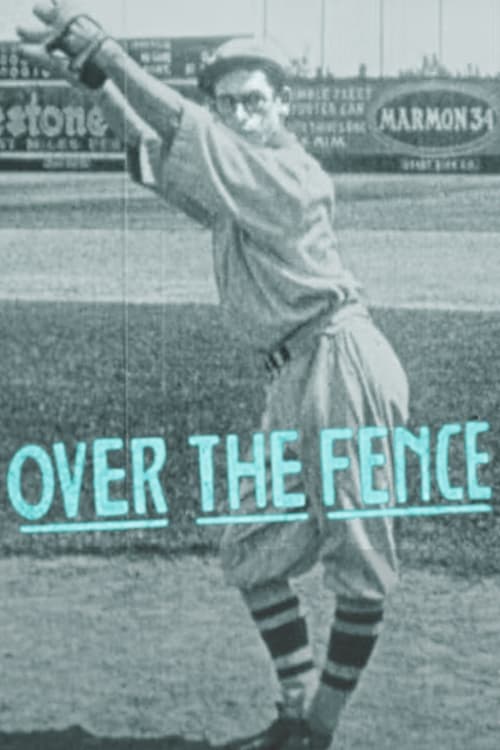
Over the Fence
1917
No user ratings available yet
Representation score: 0.5 out of 10
Representation Score
Minimal
1906
Director
Edwin S. Porter
Runtime
5 minutes
Average Rating
No ratings yetNew Showbiz Analysis
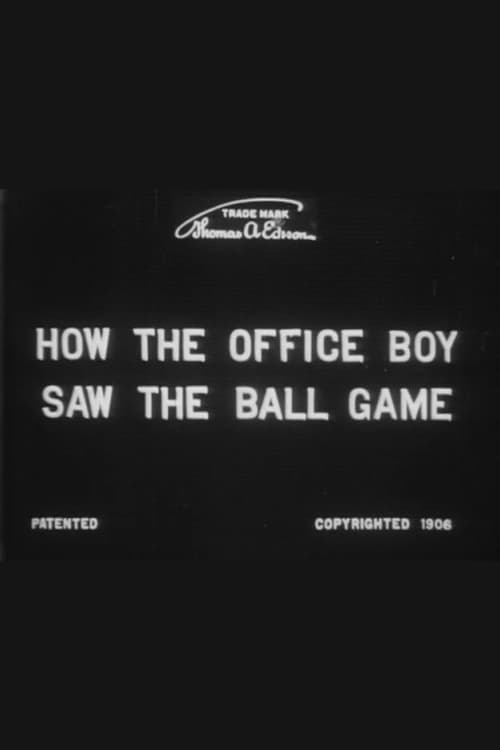
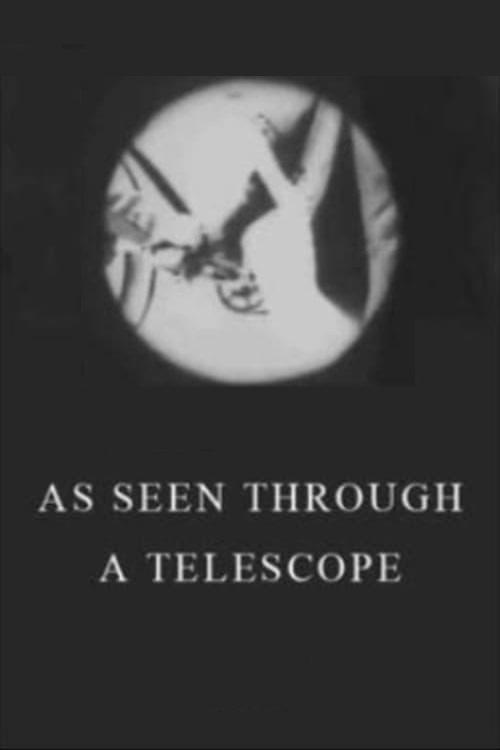
This 1906 short primarily showcases a novel point-of-view technique to simulate a telescopic view of a baseball game. The narrative is driven by a singular observational concept rather than character development. The film relies on early slapstick clichés, lacking the complexity needed for meaningful representation of multiple identities. It functions more as a historical artifact of early cinema than a vehicle for progressive dialogue. The production reflects the limited social scope of the era, focusing on a singular, likely Anglo-centric experience within traditional Western institutions.
Category Breakdown
The film does not include any characters with LGBTQ+ identities. It focuses on a single protagonist without addressing assumptions about gender and sexuality.
The story revolves around male-dominated environments such as offices and baseball games. There is no depiction of women taking active roles or challenging gender norms.
The film reflects the homogeneous society of 1906. It lacks a diverse cast and any disruption of racial hierarchies.
The story includes a minor rebellion against workplace norms through skipping school, which serves as a comedic cliché rather than a critique of systemic issues.
There are no characters with visible or invisible disabilities. Disability is not used as a narrative device in this film.
Present on Screen
Limited or Absent
Official Synopsis
An office boy plays hooky from work so he can watch a ballgame perched high atop a telephone pole. Includes footage of an actual baseball game as if seen through a telescope.
1917
1902
1903
1897
1904
1901
1903
1900
No reviews yet. Be the first to share your thoughts on this movie!
Use the rating form above to leave a star rating and optional review.