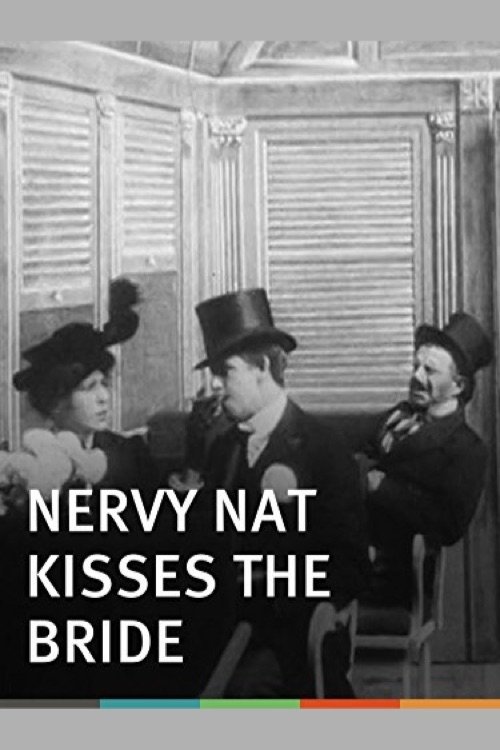
"Weary Willlie" Kisses the Bride
1904
No user ratings available yet
Representation score: 0.4 out of 10
Representation Score
Minimal
1903
Director
Edwin S. Porter
Runtime
12 minutes
Average Rating
No ratings yetNew Showbiz Analysis
Edwin S. Porter’s work serves as a historical artifact of early cinema, emphasizing technical innovation and situational comedy. The film captures the emerging American culture of public entertainment through a visit to Coney Island. However, the narrative strictly adheres to the social norms of the early 20th century. It lacks intentional subversion of social hierarchies, instead presenting a conventional view of courtship and leisure. Ultimately, the film offers minimal representation of underrepresented groups, reflecting the standard Western social structure of its time.
Category Breakdown
The film focuses on a traditional romantic relationship between Rube and Mandy. There is no indication of LGBTQ+ identities or same-sex relationships.
The movie uses the country couple cliché common in early slapstick comedies. It reinforces traditional gender roles through typical courtship and domestic scenarios without challenging hierarchies.
The cast reflects the homogeneous demographics of 1903 America. There is no evidence of a multi-ethnic cast or diverse racial representation.
The film showcases early 20th-century American leisure and consumerism at an amusement park. It does not critique Western institutions or religious structures.
There is no evidence of characters with visible or invisible disabilities being portrayed in this narrative.
Present on Screen
Limited or Absent
Official Synopsis
A country couple enters Coney Island's Steeplechase Park. They proceed to amuse themselves on the steeplechase, tightropes, plaza, mini-locomotive and chutes.
1904
1915
1901
1917
1908
1903
1902
1906
No reviews yet. Be the first to share your thoughts on this movie!
Use the rating form above to leave a star rating and optional review.