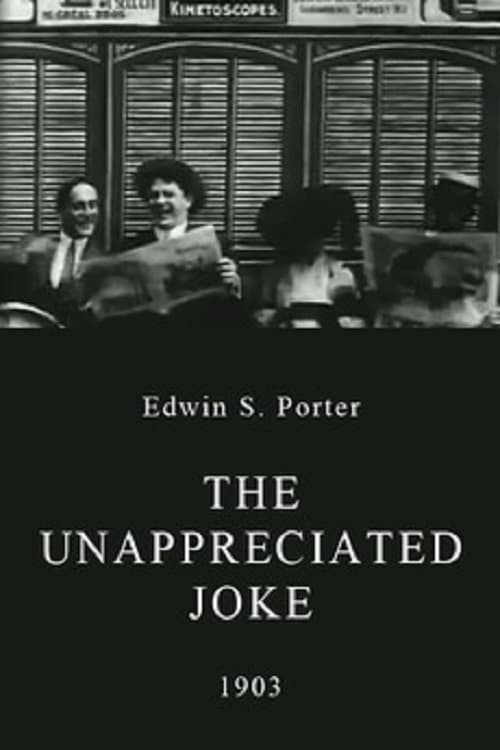
The Unappreciated Joke
1903
No user ratings available yet
Representation score: 0.9 out of 10
Representation Score
Minimal
1902
Not RatedDirector
Edwin S. Porter
Runtime
2 minutes
Average Rating
No ratings yetNew Showbiz Analysis
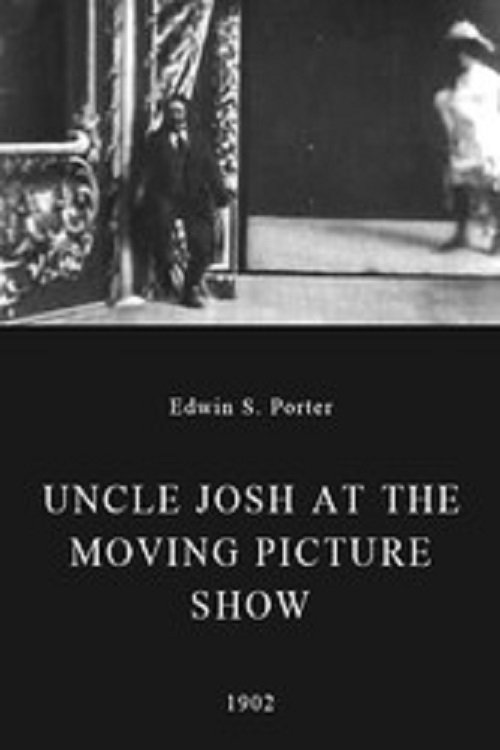
Uncle Josh at the Moving Picture Show is a period-specific artifact that reflects the social and demographic norms of the early 1900s. It functions as a foundational comedic short that reinforces the social expectations of its era rather than disrupting them. The film lacks intentionality regarding identity-based hierarchies. Instead, it focuses on the comedic disruption of social decorum through a character-driven gag common to early slapstick. Ultimately, the work operates within the standard demographic constraints of early 20th-century American cinema, offering little in the way of diverse representation.
Category Breakdown
The film focuses on a comedic reaction to a kissing scene, which adheres to traditional heterosexual romantic clichés. There is no indication of LGBTQ+ identities or non-binary gender roles.
The narrative relies on a traditional cliché of a clueless, reactionary male character. The female presence remains passive, serving primarily to trigger the protagonist’s reactions.
The production reflects the homogeneous casting standards of the early silent era. There is no evidence of non-white or non-Anglo-Saxon majority casts.
The film serves as a meta-commentary on the novelty of cinema, celebrating emerging technology without offering any critique of religious or state institutions.
There is no visible evidence of characters portraying neurodivergence or physical disabilities as central to the narrative arc.
Present on Screen
Limited or Absent
Official Synopsis
Country rube thinks what he sees on the movie screen is real. He jumps out of his seat to try to stop a kissing scene.
1903
1901
1903
1917
1906
1904
1898

1907
No reviews yet. Be the first to share your thoughts on this movie!
Use the rating form above to leave a star rating and optional review.