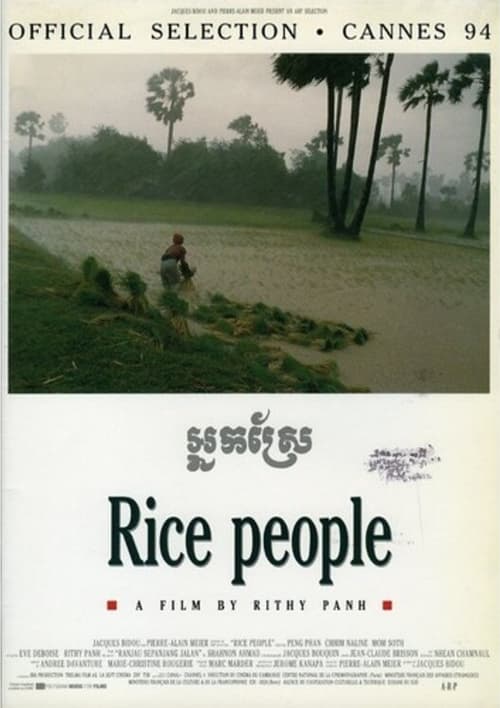
Rice People
1994
No user ratings available yet
Representation score: 3.9 out of 10

Representation Score
Fair
1996
Director
Sandrine Veysset
Runtime
90 minutes
Average Rating
No ratings yetNew Showbiz Analysis
The film is a powerful social commentary on power and domestic entrapment. It emphasizes the resilience and strength of underrepresented individuals, particularly mothers and their children, against a controlling authority figure. By focusing on these characters, the film dismantles traditional social hierarchies and highlights the impact of patriarchal and capitalist systems on the home. While the narrative effectively challenges conventional gender roles and critiques systemic authority, it falls short in representing broader demographic diversity. The story is set in a homogeneous rural environment with limited racial or LGBTQ+ diversity. Ultimately, the film is a study of resistance against institutional control, trading broad demographic variety for a deep exploration of how these systems affect the domestic sphere.
Category Breakdown
The film focuses on a family that assumes everyone is straight and cisgender. There are no hints of LGBTQ+ identities or diverse gender expressions within the family.
The story challenges traditional gender roles by showing the female character as the strong backbone of the family, while the male character is portrayed as an exploitative force.
The setting shows a rural French community that is very homogeneous, with no visible racial or ethnic diversity.
The narrative criticizes patriarchal structures and private land ownership, depicting these traditions as oppressive to the family.
The film highlights the physical strain of hard labor and poverty but does not specifically represent neurodivergence or physical disabilities.
Present on Screen
Limited or Absent
Official Synopsis
A woman and her seven children live on a farm in Southern France. In spite of the hard work and the mediocre accommodation, their life would be a happy one, but for one person: the owner of the farm, an egotistic and authoritarian individual who is also the lover of the woman and the father of all her children. The farmer handles them as his property, uses them as cheap labour to work in the fields, and denies them the right to leave the farm. It is only the love of the woman for her children that allows them to endure their situation; but even for her, disenchantment has set in.
1994
1984

1996
1967
1983
1994
2001

2006
No reviews yet. Be the first to share your thoughts on this movie!
Use the rating form above to leave a star rating and optional review.