
Private Madness
2004
No user ratings available yet
Representation score: 2.5 out of 10
Representation Score
Good
2006
Director
Joachim Lafosse
Runtime
95 minutes
Average Rating
No ratings yetNew Showbiz Analysis
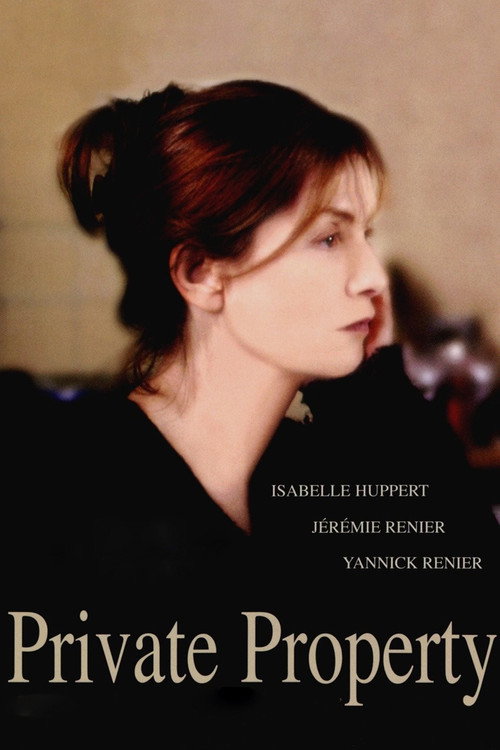
Private Property is a psychological drama that focuses on the breakdown of traditional family structures. While it lacks broad demographic representation, it offers a critical look at Western social norms. It challenges the idea of the supportive family and traditional gender roles. The film's strength lies in its portrayal of motherhood as a complex role and its exploration of personal freedom against family constraints.
Category Breakdown
The story centers on a relationship between Pascale and Jan, which assumes both are straight and cisgender. It doesn't show any LGBTQ+ identities or non-cisgender expressions.
Pascale challenges traditional gender roles by being the main breadwinner. The film shows her adult sons as lazy and irresponsible, questioning the idea of strong male leadership.
The story focuses on a single ethnic group in a rural area. There is no sign of a diverse cast with different races or ethnicities.
The film looks at the nuclear family as an oppressive force rather than a support system. It explores how individuals reclaim their lives by rejecting traditional duties.
There are no characters with visible or hidden disabilities in the story. The sons' lack of progress is described as a moral issue rather than a neurodevelopmental condition.
Present on Screen
Limited or Absent
Official Synopsis
Pascale leads a lonely life with her adult sons François and Thierry at a rural estate subsidized by her ex-husband's alimony payments. When Pascale falls for neighbor Jan, she makes plans to move in with him. But Pascale's twin sons -- loafers who treat her like a servant and refuse to accept the responsibilities of adulthood -- won't let her go. The family remains locked in a stalemate until someone makes a startling move.
2004
2008

2012
2020

2008

2016
2012

1999
No reviews yet. Be the first to share your thoughts on this movie!
Use the rating form above to leave a star rating and optional review.