
To the Public Danger
1948
No user ratings available yet
Diversity score: 3.0 out of 10
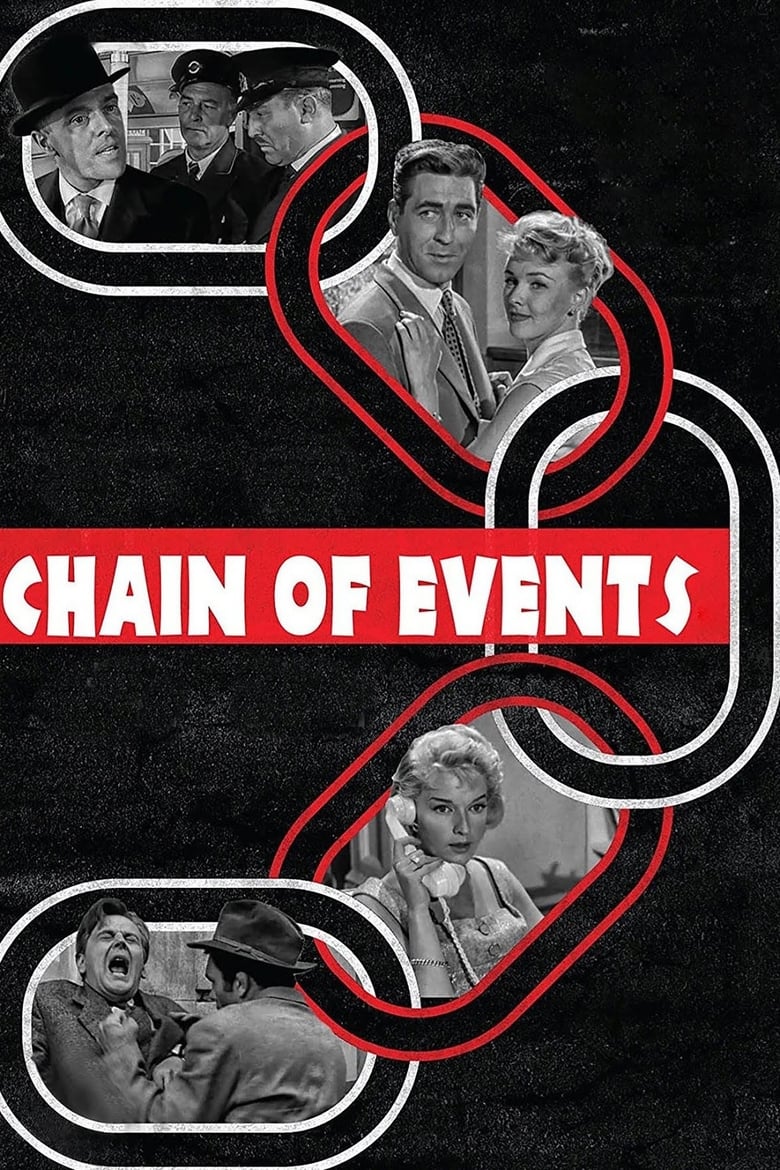
1958
Director
Gerald Thomas
Runtime
62 minutes
Average Rating
No ratings yetSynopsis
When a clerk tries to dodge paying a bus fare, it sparks a series of unforseen consequences
Overall Score
Limited
Category Breakdown
LGBTQ+ Representation
The film lacks any evidence of non-cisnormative identities or narratives that critique heteronormativity. This absence aligns with the standard cinematic conventions of 1958.
Gender Representation
Without specific character arcs, the film does not appear to subvert traditional gender hierarchies. The narrative likely reinforces mid-century social and professional roles.
Racial & Ethnic Diversity
There is no indication of a non-Anglo-Saxon majority cast. The story focuses on a socioeconomic incident rather than exploring racial intersectionality or hierarchies.
Religious & Cultural Diversity
The premise does not signal an institutional critique of Western or capitalist structures. The narrative focuses on civic order rather than promoting moral relativism.
Disability Representation
No information is available regarding the inclusion of characters with visible or invisible disabilities.
Strengths
Areas for Improvement
AI Analysis
Chain of Events is a mid-century drama that prioritizes the mechanics of causality over the exploration of identity. The plot centers on a clerk's minor transgression, focusing on social friction rather than systemic deconstruction. The film adheres to the traditional dramatic structures of its era. It lacks intentional intersectional subversion, instead following established cinematic conventions that favor social consequence over progressive representation. Ultimately, the narrative architecture appears designed to study the ripple effects of a single event rather than to challenge or disrupt existing social norms.
1948
1955
1955
1956
1960
1951
1963
1952
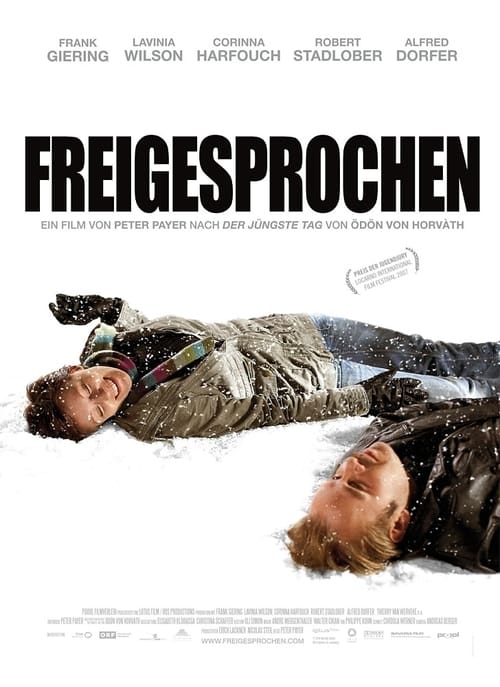
2007
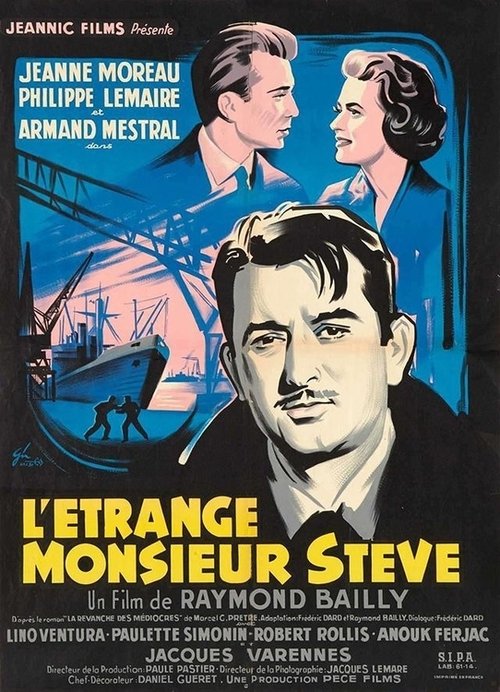
1957
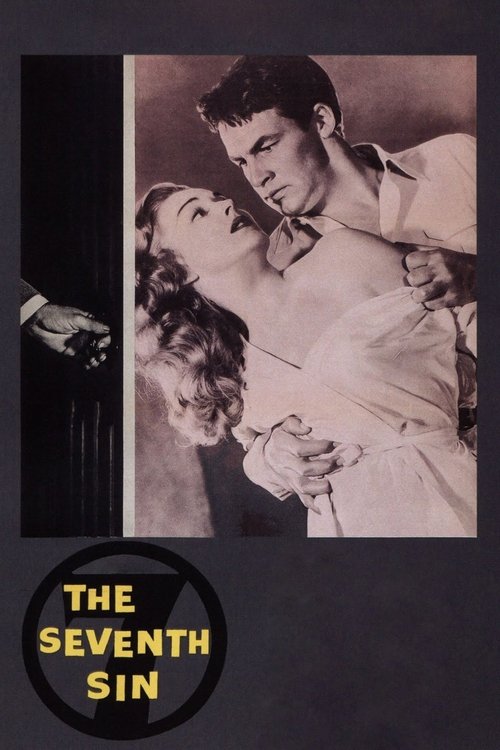
1957

1953
No reviews yet. Be the first to share your thoughts on this movie!
Use the rating form above to leave a star rating and optional review.