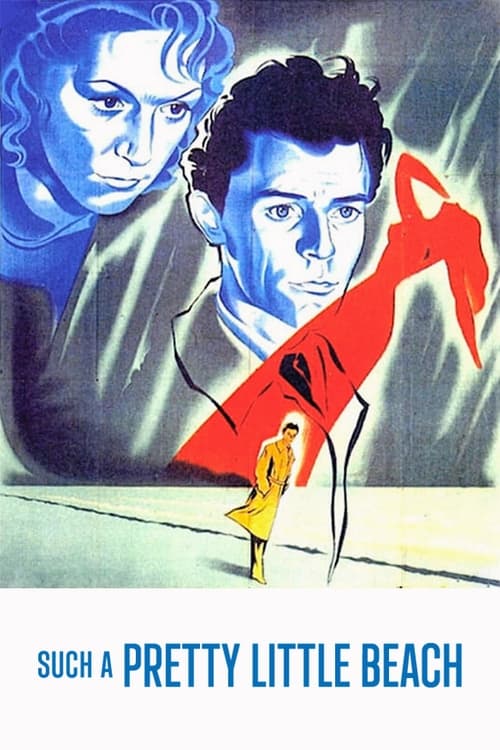
Such a Pretty Little Beach
1949
No user ratings available yet
Diversity score: 3.4 out of 10

1949
Director
Jean Grémillon
Runtime
92 minutes
Average Rating
No ratings yetSynopsis
An eccentric man endangers himself when he makes advances toward the girlfriend of a saloon keeper.
Overall Score
Limited
Category Breakdown
LGBTQ+ Representation
The film lacks evidence of LGBTQ+ characters or non-heteronormative identities. The central conflict follows traditional romantic tropes involving a man's advances toward a woman.
Gender Representation
The story focuses on tensions between a man's impulses and a woman's relationship. It remains unclear if the female lead possesses agency or serves as a passive subject.
Racial & Ethnic Diversity
The film likely reflects the demographic homogeneity typical of 1949 French cinema. There is no evidence of significant ethnic diversity or race-bent casting.
Religious & Cultural Diversity
The narrative explores individualistic, self-destructive impulses rather than communal morality. This focus suggests a departure from strictly didactic or religious moralizing in favor of psychological complexity.
Disability Representation
There is no specific information regarding the portrayal of physical or neurodivergent disabilities.
Strengths
Areas for Improvement
AI Analysis
White Paws is a mid-century drama that largely adheres to the social constraints of its era. The narrative centers on interpersonal conflict and the disruption of social stability through an eccentric protagonist. While the film lacks intersectional diversity or the subversion of systemic hierarchies, it shows a narrative interest in psychological complexity. The focus on individual obsession over social cohesion provides a slight departure from standard moral archetypes. Ultimately, the work functions as a traditional character study, reflecting the demographic and social norms of 1949 without significant progressive disruption.
1949
1947
1939
1955
1955
1933
1956
1934
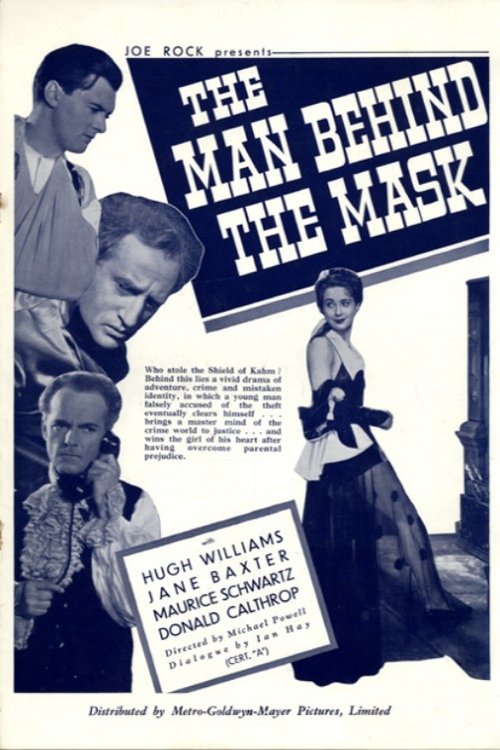
1936
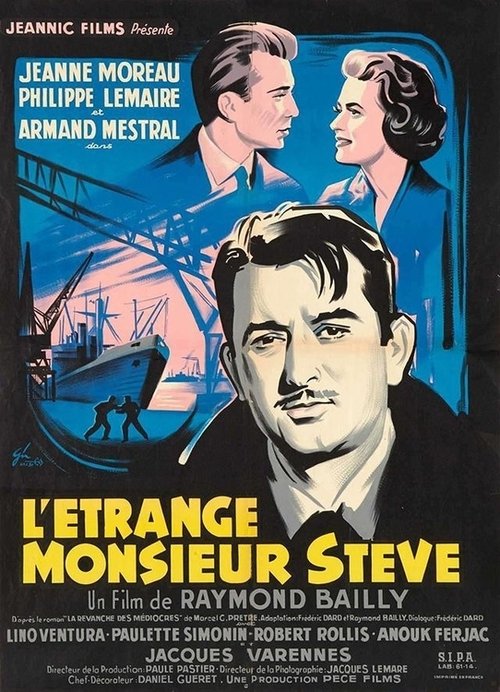
1957
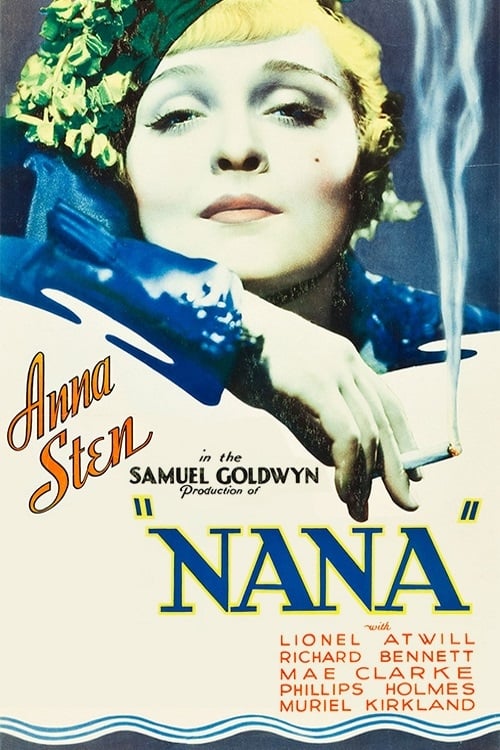
1934

1953
No reviews yet. Be the first to share your thoughts on this movie!
Use the rating form above to leave a star rating and optional review.