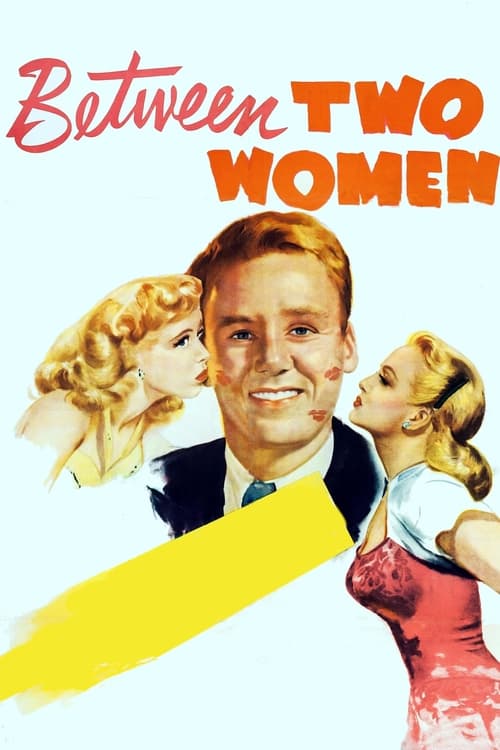
Between Two Women
1945
No user ratings available yet
Representation score: 3.0 out of 10

Representation Score
Limited
1953
NRDirector
Irving Rapper
Runtime
83 minutes
Average Rating
No ratings yetNew Showbiz Analysis
Bad for Each Other is a conventional mid-century drama that prioritizes individual ethics over systemic critique. The plot follows a veteran's moral dilemma between professional prestige and communal duty, a structure that favors traditional social hierarchies. The film lacks depth in reflecting multiple aspects of identity, functioning instead as a standard period piece. It focuses on a singular masculine protagonist navigating a world defined by the social norms of the early 1950s. Ultimately, the work serves as a reflection of its era's cinematic conventions rather than a challenge to them. It provides a narrow view of social responsibility through a traditional lens.
Category Breakdown
The film does not include any LGBTQ+ characters or narratives that challenge the assumption that everyone is straight or cisgender. It adheres to the straight-centered social structures typical of 1953 studio filmmaking.
The story centers on a male doctor, reinforcing traditional masculine roles. Female characters likely occupy domestic or supportive positions rather than driving the professional narrative.
The film likely reflects the homogeneous casting standards of the 1950s. It appears to center on a predominantly white, Western perspective without diverse casting.
The narrative explores the tension between capitalism and social service through a personal moral lens. It aligns with traditional patriotic values common to the post-Korean War era.
There is no information available regarding the portrayal of physical or mental disabilities in this film.
Present on Screen
Limited or Absent
Official Synopsis
A doctor returned from the Korean War must choose between joining a glamorous practice and helping the poor.
1945
1958

1940

1965

1956

1952

1952

1946
No reviews yet. Be the first to share your thoughts on this movie!
Use the rating form above to leave a star rating and optional review.