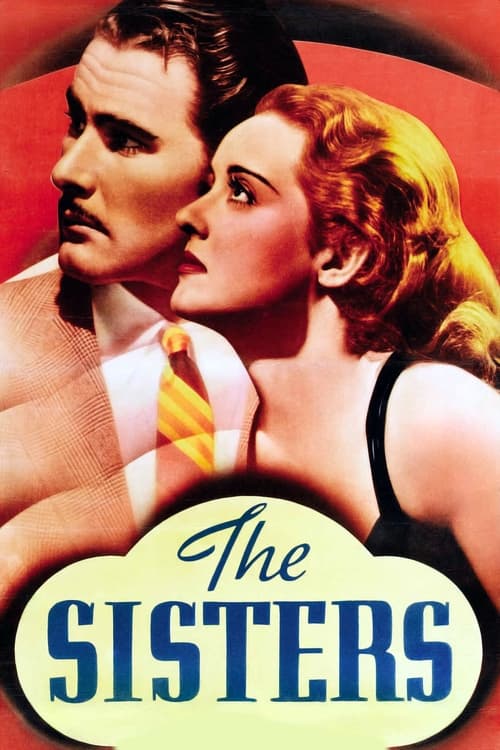
The Sisters
1938
No user ratings available yet
Diversity score: 2.5 out of 10

1945
NRDirector
Arthur Crabtree
Runtime
110 minutes
Average Rating
No ratings yetSynopsis
The story of three sisters and the men they marry: one is happily married but childless, the second promiscuously escapes an unhappy, loveless marriage, and the third is tortured by the mental cruelties inflicted by a domineering husband.
Overall Score
Limited
Category Breakdown
LGBTQ+ Representation
The film lacks any evidence of non-heteronormative identities or same-sex intimacy. The narrative remains strictly within a traditional framework of heterosexual marriage.
Gender Representation
The story engages with gendered power dynamics by depicting women navigating unhappy marriages and patriarchal dominance. It highlights female agency through social transgression and psychological struggle.
Racial & Ethnic Diversity
The film likely adheres to the homogeneous casting standards of 1945 British cinema. There is no evidence of racial blending or non-Anglo-Saxon representation.
Religious & Cultural Diversity
The plot critiques traditional Western domesticity by focusing on the dysfunction of marriage. It avoids promoting a singular, idealized moral standard for family life.
Disability Representation
There is no documented evidence regarding the portrayal of physical or neurodivergent disabilities within the narrative.
Strengths
Areas for Improvement
AI Analysis
Arthur Crabtree’s drama offers a period-specific character study that challenges mid-century expectations of domestic bliss. By focusing on the psychological toll of restrictive marital roles, the film provides a nuanced critique of traditional gender hierarchies. However, the film is limited by the era's cinematic constraints. It lacks intersectional breadth, offering no representation of LGBTQ+ identities or racial diversity, reflecting the homogeneous standards of 1945 British production. Ultimately, while the film subverts the trope of the stable, harmonious domestic sphere, it remains a narrow exploration of womanhood within a traditional Western framework.
1938
1973
1956

1950
1931
1934
1934
1970
1955

2003
1934
1933
No reviews yet. Be the first to share your thoughts on this movie!
Use the rating form above to leave a star rating and optional review.