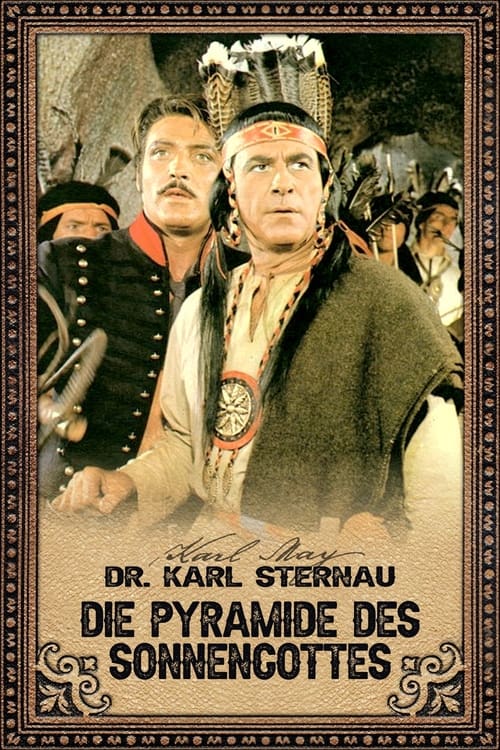
Pyramid of the Sun God
1965
No user ratings available yet
Representation score: 4.7 out of 10

Representation Score
Limited
1965
Director
Robert Siodmak
Runtime
101 minutes
Average Rating
No ratings yetNew Showbiz Analysis
Mercenaries of the Rio Grande is a period adventure that focuses on genre-driven storytelling rather than social commentary. While the historical context of the French intervention in Mexico provides a backdrop for ethnic representation, the film adheres to the conventional narrative norms of the time. The emphasis is on geopolitical conflict and male-driven action. Although the fight for Mexican sovereignty offers some ethnic depth, the film does not actively seek to challenge social hierarchies or promote diverse identities. Overall, the film serves as a typical mid-century adventure, using its historical setting for tension rather than progressive social exploration.
Category Breakdown
The film follows the typical social structures of the mid-1960s and does not include any non-straight identities or critiques of the assumption that everyone is straight.
Male characters like Dr. Karl Sternau have significant control over the plot, while female characters play supporting roles without challenging traditional gender hierarchies.
The film depicts non-Anglo-Saxon characters through the lens of Mexican nationalism. However, it risks relying on familiar patterns related to indigenous populations.
The story explores the tension between Western imperialism and local autonomy within a traditional adventure format, avoiding a deeper critique of social structures.
There is no information about the portrayal of physical or neurodivergent disabilities in this work.
Present on Screen
Limited or Absent
Official Synopsis
Dr. Karl Sternau, the personal physician of the count Bismarck, who spent much of his youth in Mexico, is sent back to that country during the occupation by French troops in the service of the Austrian 'Emperor' Maximilian, to carry an encouraging letter from U.S. President Lincoln to the nationalist Mexican president Benito Juarez.
1965
1965
1958
1954
1965

1965
1964
1970
No reviews yet. Be the first to share your thoughts on this movie!
Use the rating form above to leave a star rating and optional review.