
Treasure of Tayopa
1974
No user ratings available yet
Diversity score: 2.9 out of 10
1958
Not RatedDirector
George Sherman
Runtime
77 minutes
Average Rating
No ratings yetSynopsis
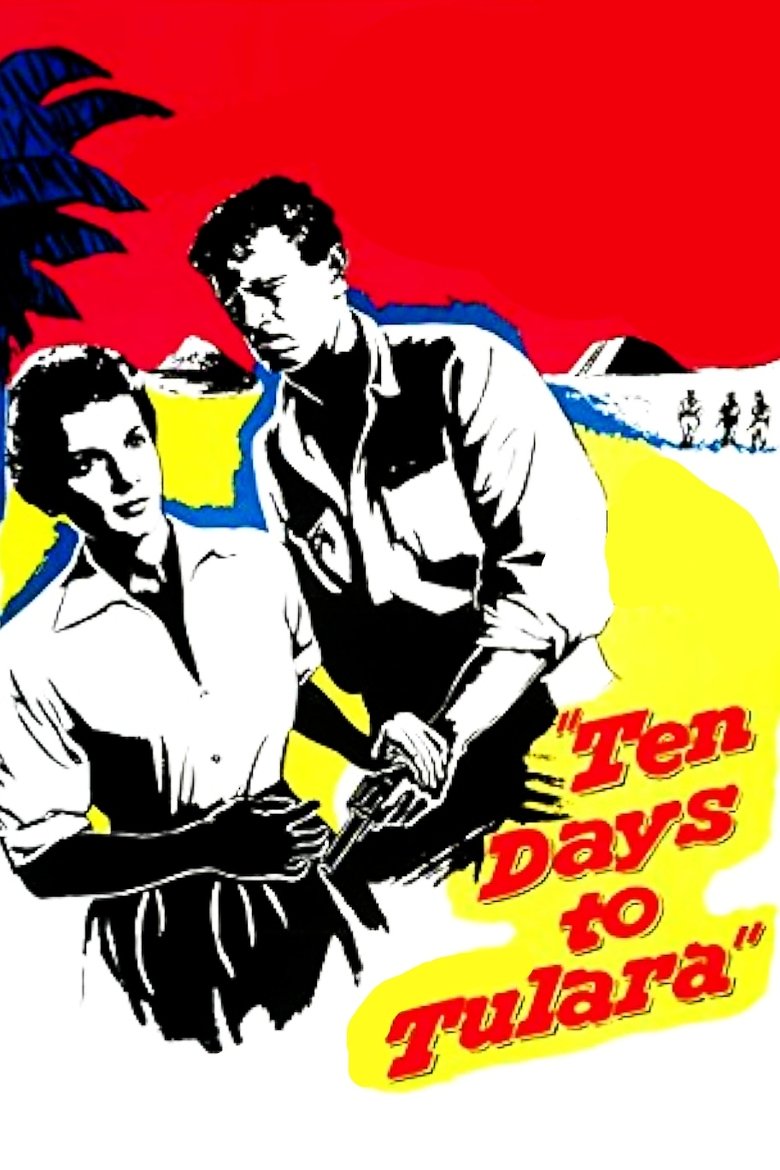
Director George Sherman's 1958 western about gold thieves in Mexico stars Sterling Hayden, Grace Raynor and Rodolfo Hoyos.
Overall Score
Limited
Category Breakdown
LGBTQ+ Representation
The film follows traditional mid-century Western conventions. There is no presence of non-cisnormative gender identities or same-sex intimacy within the narrative.
Gender Representation
Action and authority structures are male-dominated. While Grace Raynor is in the primary cast, the film adheres to standard male-centric leadership and decision-making.
Racial & Ethnic Diversity
The Mexican setting allows for a diverse cast, including Rodolfo Hoyos. However, ethnic diversity often serves as a backdrop to the central protagonist's journey.
Religious & Cultural Diversity
The story emphasizes individual justice and survival through classic Western tropes. It reinforces traditional heroic archetypes rather than deconstructing them.
Disability Representation
There are no notable depictions of physical or neurodivergent disabilities that impact the narrative or character agency.
Strengths
Areas for Improvement
AI Analysis
Ten Days To Tulara is a quintessential 1950s Western that prioritizes established genre tropes over the subversion of social norms. The narrative architecture is built upon traditional masculine agency and conventional storytelling structures. While the Mexican setting and casting of actors like Rodolfo Hoyos provide a baseline of ethnic inclusion, the film lacks the depth required to provide complex, intersectional representation. The characters often function within a standard framework where diversity serves the protagonist's journey. Ultimately, the film reinforces the social and cultural hierarchies of its era. It remains a traditionalist work that focuses on individual redemption and survival within a rugged social order.
1974
1965
1956

1973

1961

1966

1965
1955
1965
1958
1970

1931
No reviews yet. Be the first to share your thoughts on this movie!
Use the rating form above to leave a star rating and optional review.