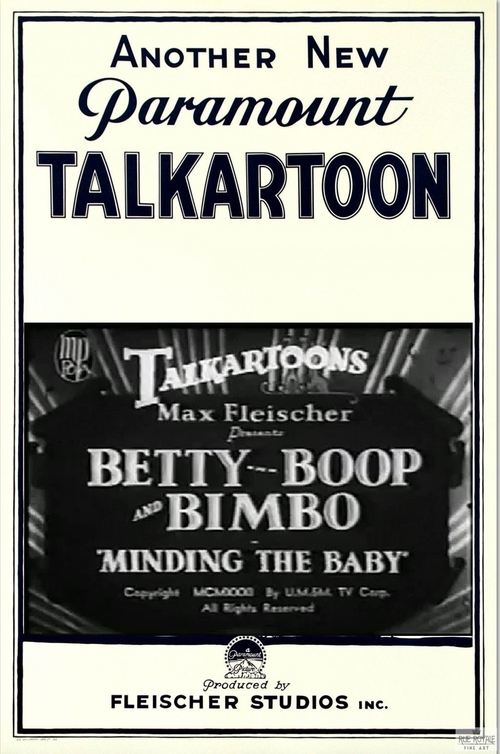
Minding the Baby
1931
No user ratings available yet
Representation score: 1.5 out of 10
Representation Score
Limited
1931
Director
Dave Fleischer
Runtime
6 minutes
Average Rating
No ratings yetNew Showbiz Analysis
Bimbo's Express is a period-specific comedic short that largely adheres to the romantic and social norms of the early 1930s. While the Fleischer Studios background suggests a potential for surrealism and challenging archetypes, the film's content remains within the era's standard constraints. The film lacks visible racial or ethnic diversity, reflecting the industry norms of its time. It also does not depict any disabilities or LGBTQ+ identities, focusing instead on a straightforward romantic dynamic. Ultimately, the work functions as a whimsical musical comedy. It offers some disruption to traditional gender roles through Betty Boop, but it does not actively seek to dismantle the social hierarchies of its era.
Category Breakdown
The story revolves around a romantic attraction between Bimbo and Betty Boop. There is no clear indication of LGBTQ+ identities or subtexts in the film.
The plot follows a traditional romantic storyline where Bimbo pursues Betty Boop. However, Betty Boop often exhibits a strong presence that challenges the passive roles typically seen in early 20th-century female characters.
The film does not include any non-white characters, which aligns with the industry standards of 1931 animation.
The musical-comedy framework emphasizes situational humor over strict moral lessons. It focuses on personal transitions like moving day rather than reinforcing specific Western cultural values.
There is no depiction of physical or neurodivergent disabilities in this short.
Present on Screen
Limited or Absent
Official Synopsis
Betty Boop (with dog's ears) is moving; Bimbo comes with his moving van and is smitten with her. Songs: "Moving Day," "Hello Beautiful."
1931
1932
1933
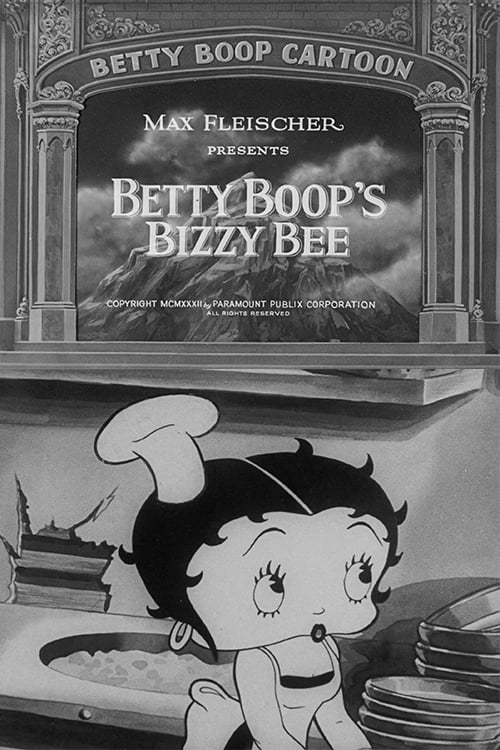
1932
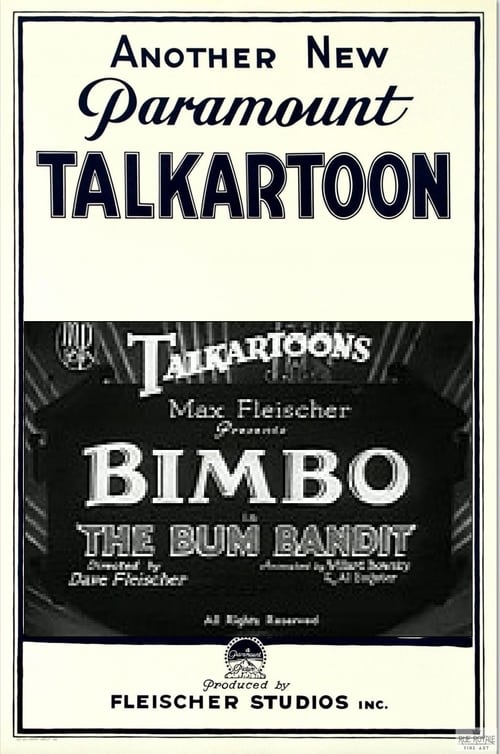
1931
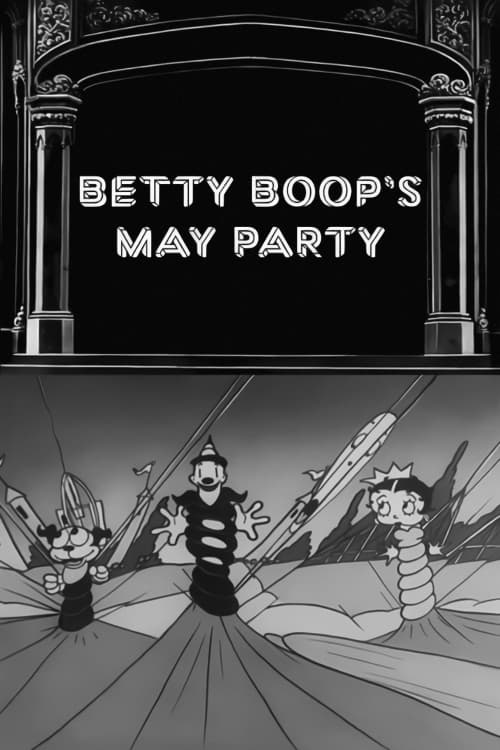
1933
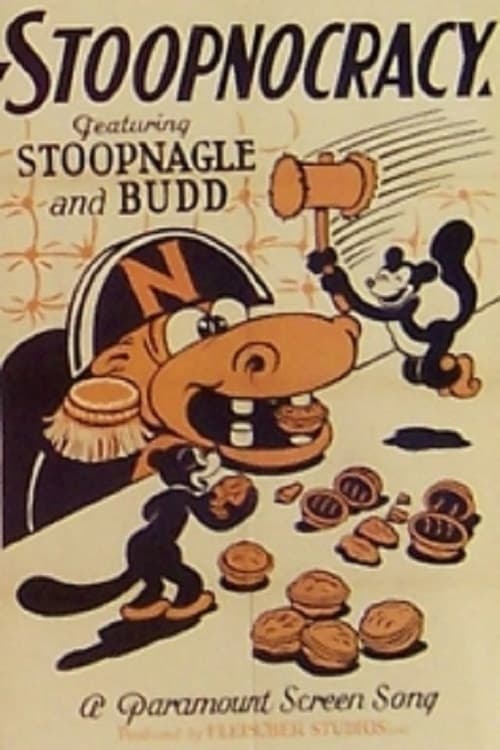
1933
1933
No reviews yet. Be the first to share your thoughts on this movie!
Use the rating form above to leave a star rating and optional review.