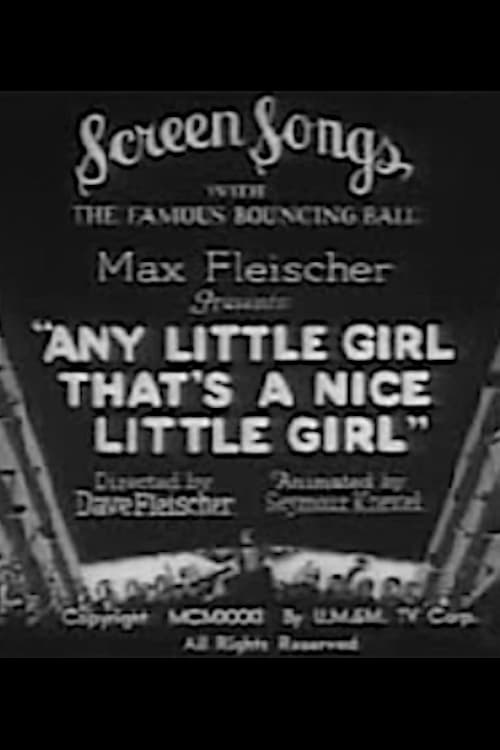
Any Little Girl That's a Nice Little Girl
1931
No user ratings available yet
Representation score: 0.1 out of 10
Representation Score
Minimal
1931
Director
Dave Fleischer
Runtime
8 minutes
Average Rating
No ratings yetNew Showbiz Analysis
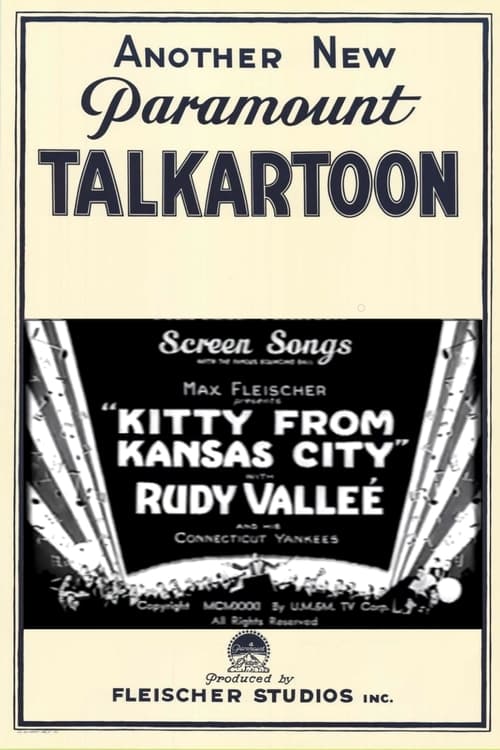
Kitty from Kansas City is a rhythmic musical short that functions primarily as period-specific entertainment. It relies on established archetypes rather than narrative subversion, making it a product of its historical moment. The film maintains a traditionalist framework across most categories. While Betty Boop offers a central presence, the work does not attempt to disrupt social hierarchies or provide diverse perspectives. Ultimately, the lack of representation for LGBTQ+ identities, various ethnicities, and disabilities results in a very low diversity score. The focus remains on commercial musical clichés.
Category Breakdown
The film does not depict any non-straight relationships or queer subtext. It focuses on musical performance and the era's flapper style.
Betty Boop embodies the flapper archetype, offering some ability to act as an entertainer. However, the narrative adheres to traditional gender roles and does not challenge established gender hierarchies.
The film reflects the homogeneous casting standards of early 20th-century American animation. There is no evidence of meaningful racial or ethnic diversity or characters with multiple layers of identity.
This musical short prioritizes rhythm and gag-based comedy over thematic depth. It reinforces the era's status quo without engaging in political or socioeconomic critiques.
Characters are presented within an idealized, able-bodied framework. There is no evidence of visible or invisible disabilities or neurodivergent representation.
Present on Screen
Limited or Absent
Official Synopsis
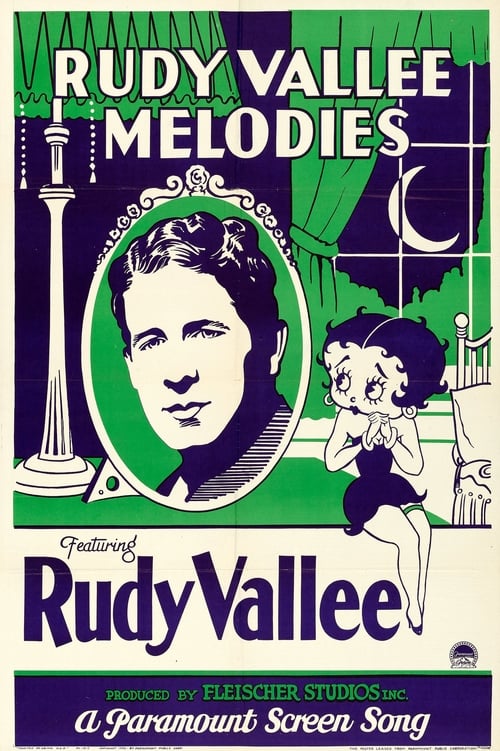
Sun bonneted Betty Boop takes a train to "Rudy Valley" where she gains weight and Rudy Vallee performs the title song with Bouncing Ball.
1931
1933
1931
1931
1932
1932
1932
1931
No reviews yet. Be the first to share your thoughts on this movie!
Use the rating form above to leave a star rating and optional review.