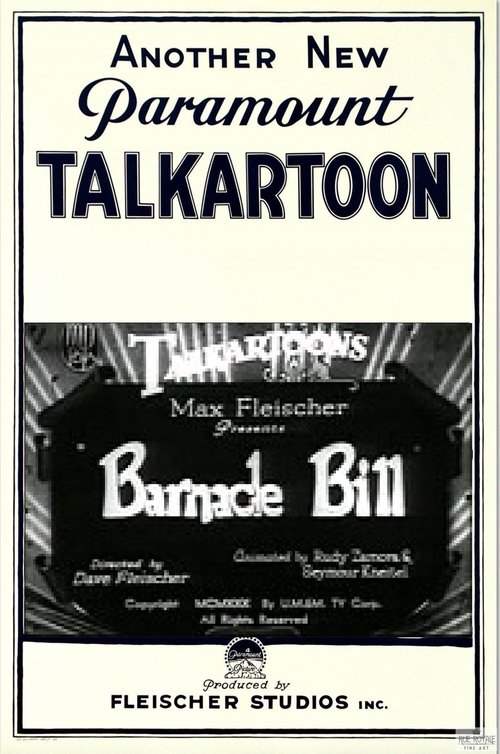
Barnacle Bill
1930
No user ratings available yet
Representation score: 1.4 out of 10
Representation Score
Limited
1931
Director
Dave Fleischer
Runtime
6 minutes
Average Rating
No ratings yetNew Showbiz Analysis
The film stands out for its early subversion of gendered archetypes, presenting Betty Boop as a strong and authoritative figure. However, the narrative remains focused on a crime-comedy theme without delving into broader identity issues. While the film uses anarchic humor to challenge social hierarchies, it lacks the necessary data or narrative depth to address issues of race, religion, or disability.
Category Breakdown
The film does not include explicit representations of LGBTQ+ identities or relationships that go beyond the assumption that everyone is straight. The story revolves around a masked bandit and a central female character.
Betty Boop challenges traditional gender roles by appearing stronger and more authoritative than the antagonist. Her deeper voice shifts the power dynamics away from the usual submissive feminine stereotype.
The available information provides no specific character descriptions regarding race or ethnicity. Consequently, there is no evidence to evaluate the presence of non-white characters.
The story uses the bandit archetype to challenge authority through a train robbery narrative. It disrupts established social orders and institutions like the railroad.
There is no evidence regarding the depiction of physical or neurodivergent disabilities. The provided context does not address any representation of disability.
Present on Screen
Limited or Absent
Official Synopsis
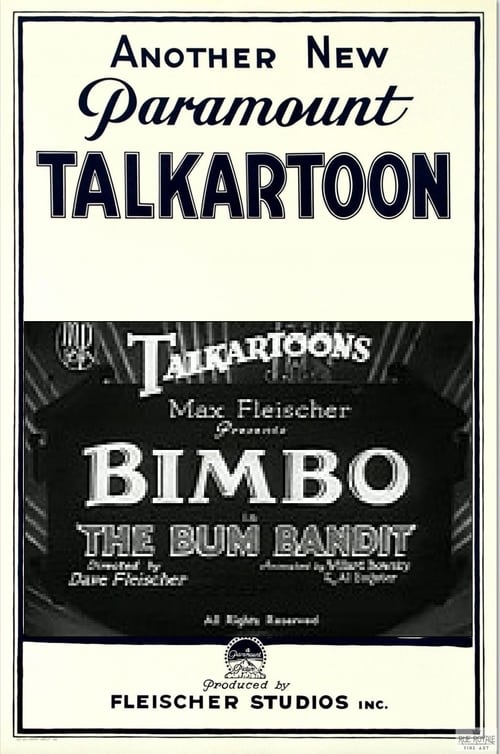
Masked bandit Bimbo holds up a train carrying someone tougher… Betty Boop (with dog's ears), played by a different, deeper-voiced actress.
1930
1931
1931
1930
1938
1931
1932

1932
No reviews yet. Be the first to share your thoughts on this movie!
Use the rating form above to leave a star rating and optional review.