Little Miss Big
1946
No user ratings available yet
Representation score: 3.3 out of 10

Representation Score
Limited
1958
NRDirector
Morton DaCosta
Runtime
143 minutes
Average Rating
No ratings yetNew Showbiz Analysis
Auntie Mame stands out as a progressive character study for its time, primarily through its subversion of mid-century gender roles. Mame Dennis rejects traditional domesticity in favor of personal autonomy, challenging the idea that men should lead the family. However, the film is limited by its historical context and narrow social focus. It operates within a homogeneous, white, upper-class environment that lacks racial, ethnic, or LGBTQ+ representation. The narrative remains firmly within the confines of 1950s cinema's straight-centered and capitalist boundaries. Ultimately, while the film offers a strong model for women's ability to drive the story, the lack of diverse representation across other identity vectors results in a low overall score.
Category Breakdown
The film follows the social norms of its time and does not include any explicit representations of LGBTQ+ identities or same-sex relationships.
Mame Dennis plays a central role in driving the story, prioritizing her personal autonomy over traditional domestic roles. The film challenges the cliché of the proper matriarch by showing a woman as the primary driver of her own life.
The story focuses almost entirely on a homogeneous, white, upper-class social circle. There is a notable absence of racial or ethnic diversity within this socioeconomic group.
The story explores moral relativism, suggesting personal authenticity is better than strict social etiquette. However, it remains framed within a capitalist celebration of luxury and status.
There is no representation of physical, sensory, or neurodivergent disabilities within the main cast or character arcs.
Present on Screen
Limited or Absent
Official Synopsis
Mame Dennis, a progressive and independent woman of the 1920s, is left to care for her nephew Patrick after his wealthy father dies. Conflict ensues when the executor of the father's estate objects to the aunt's lifestyle and tries to force her to send Patrick to prep school.
1946
1990
1965

1949

1959
1954
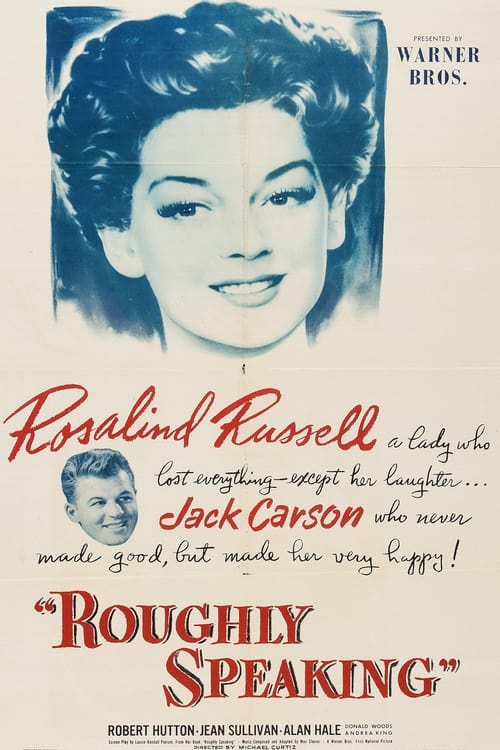
1945

1945
No reviews yet. Be the first to share your thoughts on this movie!
Use the rating form above to leave a star rating and optional review.