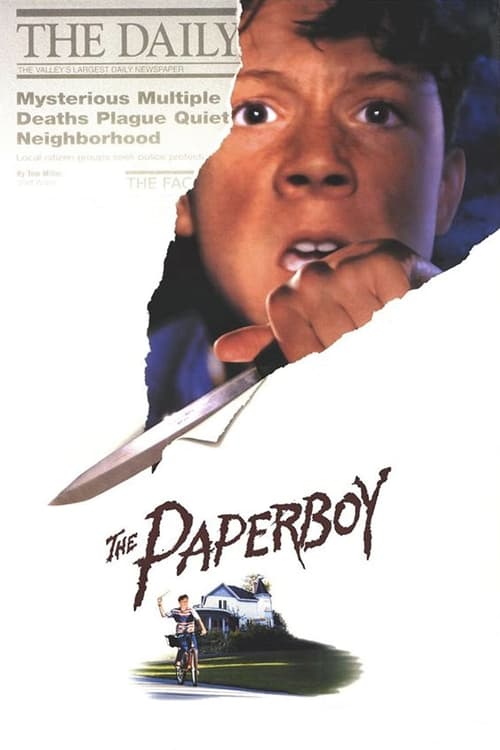
The Paperboy
1994
No user ratings available yet
Representation score: 1.2 out of 10
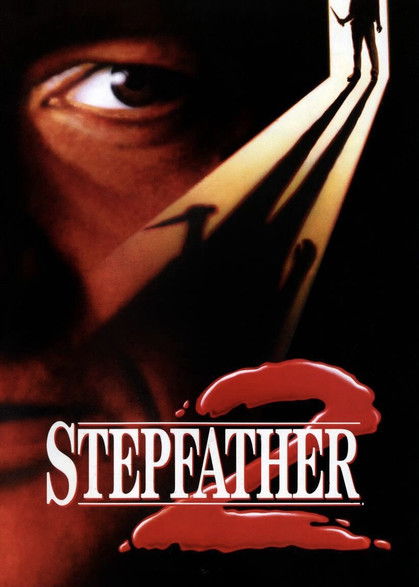
Representation Score
Minimal
1989
RDirector
Jeff Burr
Runtime
93 minutes
Average Rating
No ratings yetNew Showbiz Analysis
Stepfather 2 is a conventional horror film that adheres to the social and narrative hierarchies of the late 1980s. It relies heavily on established genre clichés, particularly regarding gendered victimhood and a homogeneous cast. The film lacks intentionality regarding multi-layered representation. Instead of challenging social structures, it focuses on the suspense of individual criminality and the disruption of the nuclear family. Ultimately, the production functions as a standard slasher that mirrors the era's limited demographic and social perspectives.
Category Breakdown
The film operates within a strictly straight-centered framework. There is no presence of non-straight identities or same-sex intimacy.
Female characters primarily occupy the role of targets within a protector/victim dichotomy. Power dynamics reinforce conventional clichés rather than providing women's ability to drive the story.
The cast and setting are predominantly white, reflecting a homogeneous social environment. The film lacks diverse ethnic representation or characters of color who play a significant role in driving the story.
The narrative reinforces traditional concepts of community stability and the nuclear family. It does not engage with secularist or anti-Western critiques.
Mental instability is used as a standard horror plot device to establish villainy. There is no portrayal of neurodivergent characters who play a significant role in driving the story.
Present on Screen
Limited or Absent
Official Synopsis
"Stepfather" Jerry Blake escapes an insane asylum and winds up in another town, this time impersonating a marriage counselor. With a future wife and new stepson who love him, Blake eliminates anyone who stands in his way to building the perfect family.
1994
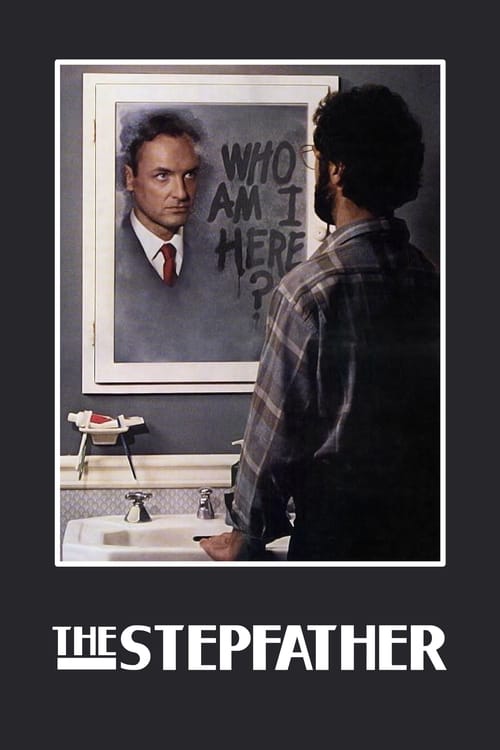
1987
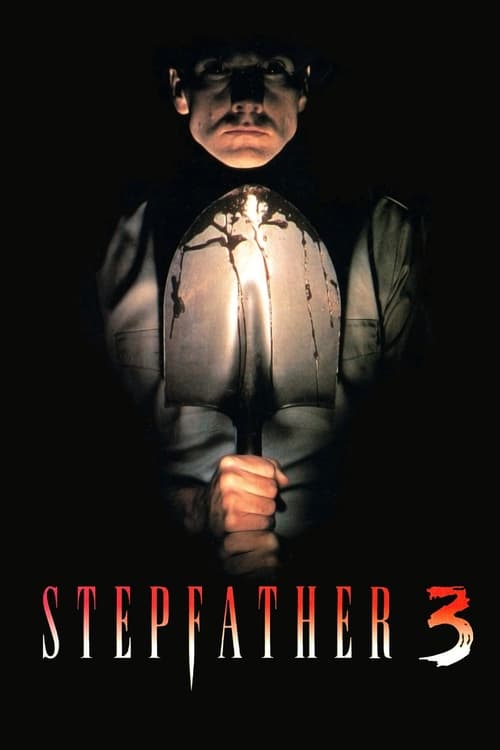
1992
1974
2011

1983
1974

2009
No reviews yet. Be the first to share your thoughts on this movie!
Use the rating form above to leave a star rating and optional review.