Frightmare
1974
No user ratings available yet
Representation score: 3.7 out of 10
Representation Score
Minimal
1972
RDirector
Peter Sykes
Runtime
89 minutes
Average Rating
No ratings yetNew Showbiz Analysis
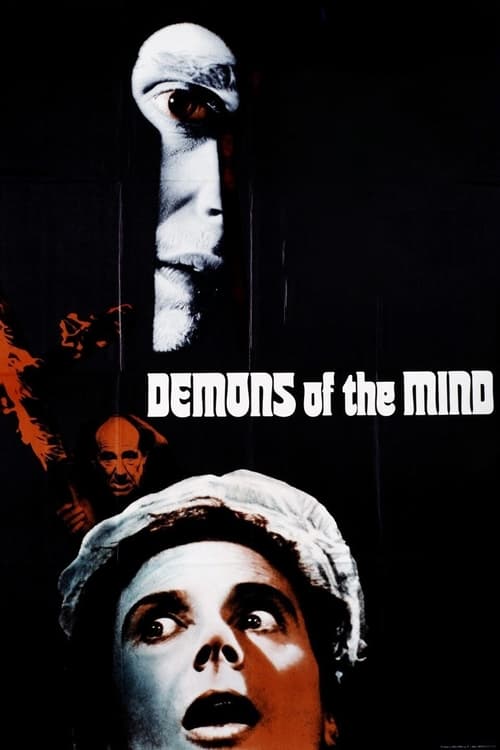
Demons of the Mind operates as a standard 1970s exploitation horror film. It relies heavily on established genre clichés, focusing on domestic trauma and sexual transgression to drive its tension. The narrative structure reinforces traditional power imbalances, centering the plot on male authority figures and portraying women and children as victims. Ultimately, the work lacks depth in representing diverse identities, adhering to the era's conventional casting and storytelling patterns.
Category Breakdown
The film focuses on sexual transgression and incest rather than exploring LGBTQ+ identities. It lacks meaningful representation of LGBTQ+ individuals, using sexuality primarily as a sensationalist horror element.
The story centers on male figures such as the investigator and the antagonist. Female characters are portrayed as passive victims within a patriarchal domestic structure.
There is no evidence of a diverse cast or non-Anglo-Saxon characters. The narrative follows the homogeneous casting standards typical of 1970s psychological thrillers.
Satanic possession and religious imagery are used to evoke fear. The film critiques the traditional family unit through horror clichés rather than addressing broader social issues.
The children's imprisonment creates a state of forced dependency. However, there is no nuanced representation of disability or neurodivergence as a central identity.
Present on Screen
Limited or Absent
Official Synopsis
A physician discovers that two children are being kept virtually imprisoned in their house by their father. He investigates, and discovers a web of sex, incest and satanic possession.
1974
1977
1978
1980
1982
1965
1971
1961
No reviews yet. Be the first to share your thoughts on this movie!
Use the rating form above to leave a star rating and optional review.