Ghosts of Hanley House
1968
No user ratings available yet
Representation score: 2.1 out of 10
Representation Score
Limited
1963
NRDirector
Maury Dexter
Runtime
62 minutes
Average Rating
No ratings yetNew Showbiz Analysis
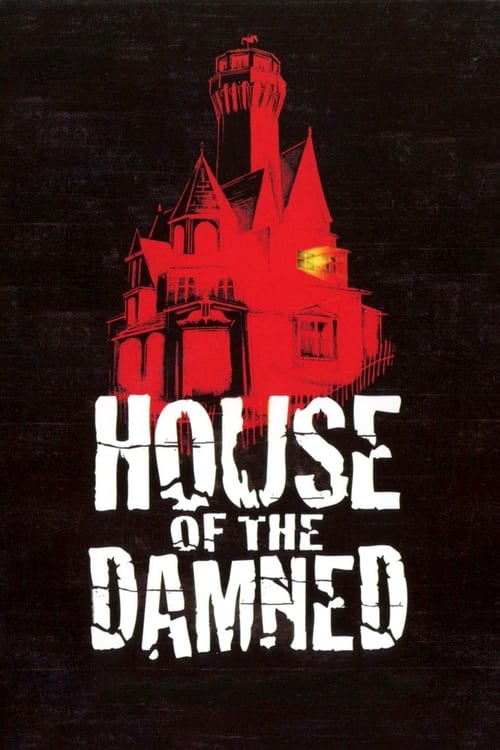
House of the Damned is a product of its 1963 time period, adhering strictly to the social and narrative structures of the early 1960s. The film relies on established genre conventions, using gothic clichés and traditional marital units to create suspense. There is a notable absence of complexity in identity or disruption based on identity. The characters and themes reflect the era's standard production frameworks, offering little in the way of progressive representation or diverse perspectives.
Category Breakdown
The film centers on traditional heterosexual relationships, such as an architect and his wife. There is no indication of non-binary gender identities or same-sex relationships.
The characters adhere to conventional gender roles typical of 1960s thrillers. A headless woman appears but serves as a gothic cliché rather than a challenge to traditional gender roles.
The narrative features a group of professionals in a California setting. The film likely reflects the era's homogeneous casting practices.
The story employs classic Gothic horror motifs and Western cultural clichés. It adheres to traditional mid-century moral frameworks without critiquing Western institutions.
The half-man, half-beast creature serves as a horror element rather than a nuanced exploration of disability. Physical differences are used primarily as plot devices.
Present on Screen
Limited or Absent
Official Synopsis
An architect and his wife are staying in an empty castle in California. They are joined by an unhappily married lawyer and his wife. Things start getting strange when they spot a half man/half beast prowling around the house and keep seeing a headless woman wandering the grounds.
1968

1970
1971
1977
1962

1961
1973
1966
No reviews yet. Be the first to share your thoughts on this movie!
Use the rating form above to leave a star rating and optional review.