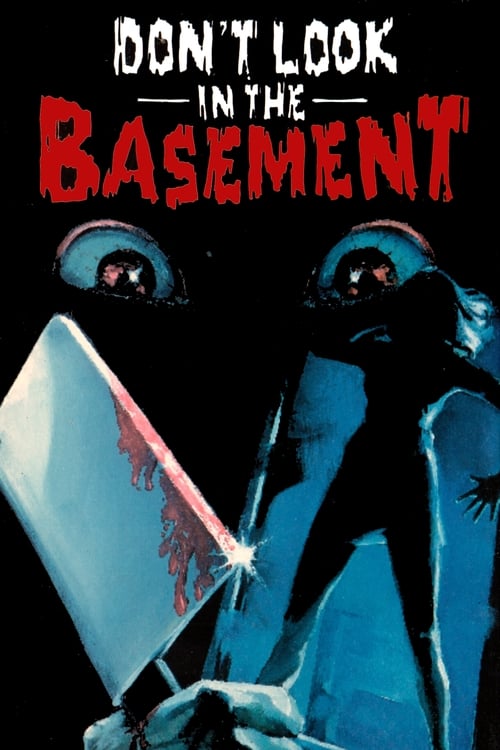
Don't Look in the Basement
1973
No user ratings available yet
Representation score: 1.7 out of 10
Representation Score
Minimal
1971
PGDirector
Peter Collinson
Runtime
87 minutes
Average Rating
No ratings yetNew Showbiz Analysis
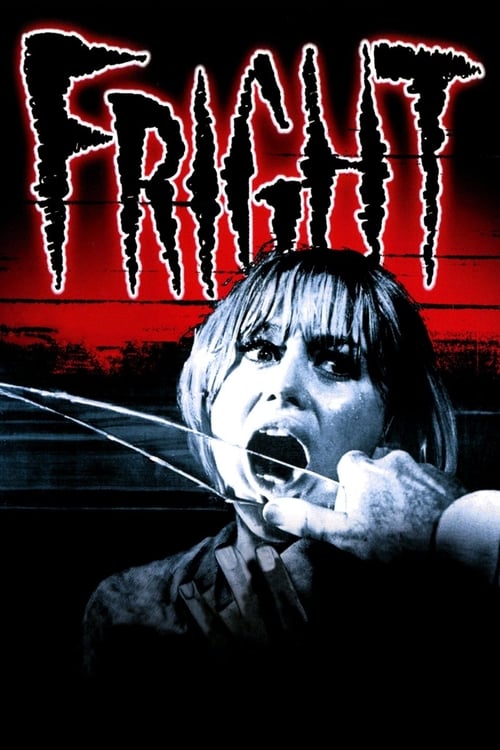
Fright (1971) is a conventional genre piece that functions within the established social and narrative boundaries of its time. It relies on established horror clichés regarding domesticity and psychological instability rather than attempting to disrupt traditional hierarchies. The film's approach to identity is traditionalist, focusing on the disruption of a nuclear family unit by an external threat, reinforcing standard cinematic archetypes of the early 1970s without engaging in a multi-layered approach to diversity.
Category Breakdown
The film follows a strict assumption that everyone is straight or cisgender, with no LGBTQ+ characters or non-cisgender identities present.
Amanda, the protagonist, provides a degree of female-led influence. However, her role is defined by psychological vulnerability and her status as a recipient of terror.
The cast appears homogeneous, consistent with the standards for British psychological thrillers of the era. The setting suggests a traditional, Anglo-centric domestic environment.
The story adheres to conventional Western storytelling. It does not frame institutions like the family or medical establishment as inherently oppressive or subject to systemic critique.
A character from a mental institution serves as the primary source of terror. This utilizes mental health as a plot device for suspense rather than a nuanced exploration of neurodiversity.
Present on Screen
Limited or Absent
Official Synopsis
Young babysitter Amanda arrives at the Lloyd residence to spend the evening looking after their young son. Soon after the Lloyds leave, a series of frightening occurrences in the gloomy old house have Amanda's nerves on edge. The real terror begins, however, when the child's biological father appears after recently escaping from a nearby mental institution.
1973
1977
1969
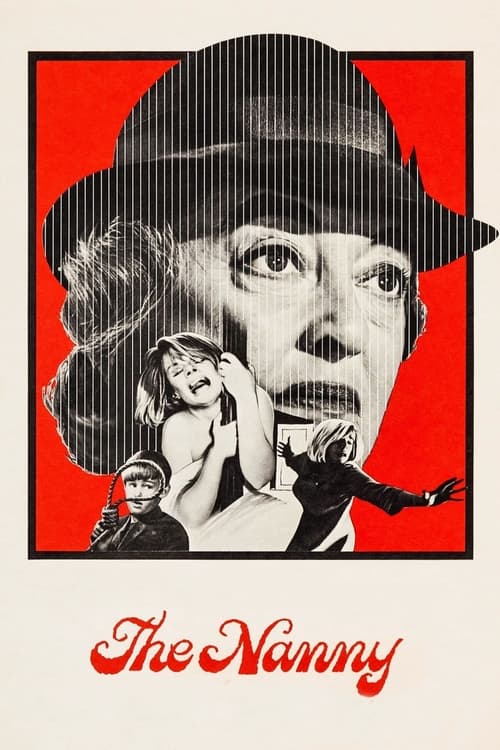
1965
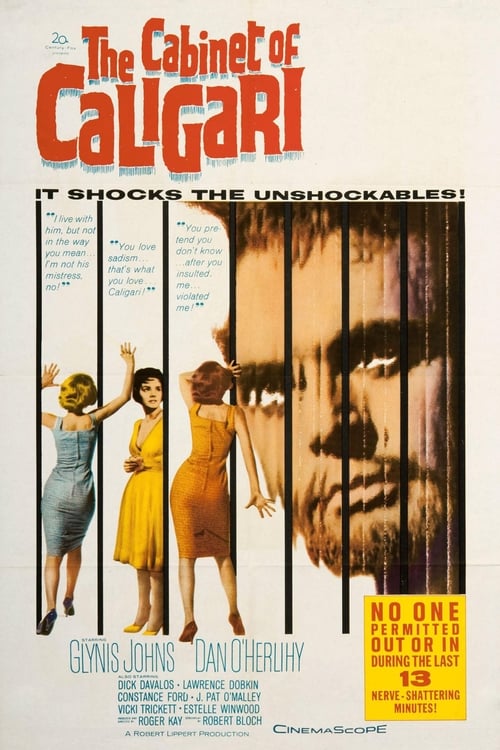
1962
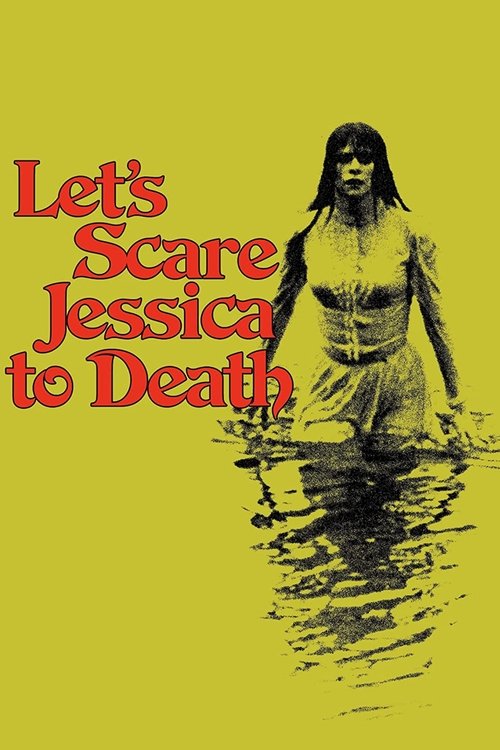
1971
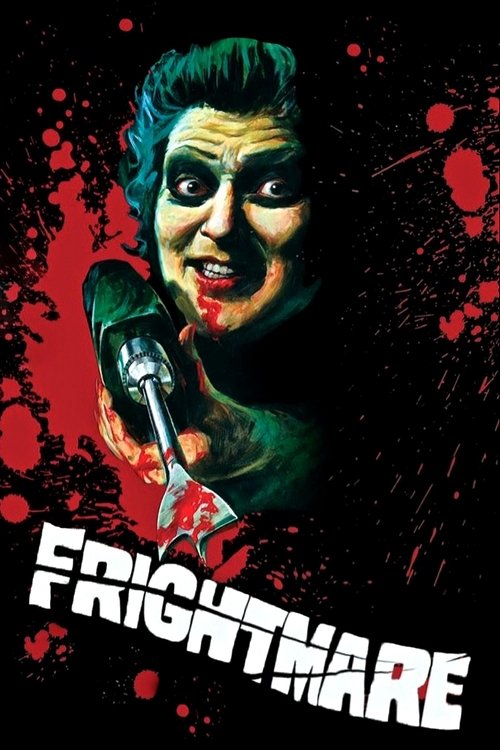
1974

1961
No reviews yet. Be the first to share your thoughts on this movie!
Use the rating form above to leave a star rating and optional review.