The Mask
1961
No user ratings available yet
Representation score: 3.3 out of 10
Representation Score
Limited
1965
ApprovedDirector
Freddie Francis
Runtime
83 minutes
Average Rating
No ratings yetNew Showbiz Analysis
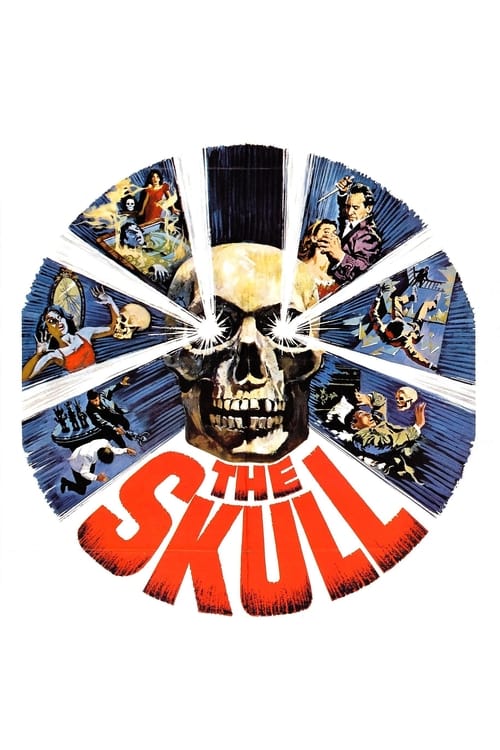
The Skull is a conventional mid-1960s gothic horror film that emphasizes atmospheric tension and genre clichés over social critique. Reflecting the demographics and social norms of its time, the film maintains a traditional casting approach and a singular Western cultural perspective. While the film offers a female-driven narrative, it relies on established clichés that tie femininity to psychological decline. The absence of diverse identities and casting keeps the story within a homogeneous framework. Ultimately, the film functions as a standard genre piece. It explores individual obsession and supernatural madness without challenging systemic hierarchies or providing meaningful representation for underrepresented groups.
Category Breakdown
The film does not depict any non-binary gender identities or same-sex relationships. It stays within a traditional framework focused on heterosexual relationships.
A female character drives the narrative but her storyline revolves around psychological instability, following a common cliché that links femininity with irrationality.
The cast is predominantly white and British, with no representation of different races or ethnicities. The film is set in a traditional English estate without any blending of cultures.
The film sticks to standard gothic horror clichés and Western settings. It focuses on individual madness without critiquing broader societal issues.
Themes of mental instability are used as plot devices to create horror tension. These elements do not offer a nuanced or empowering portrayal of neurodivergent experiences.
Present on Screen
Limited or Absent
Official Synopsis
Esoterica collector Dr Maitland buys an unusual skull from his ordinary source; the artifact is what remains of the Marquis De Sade. Much too soon, Maitland discovers that the skull is turning him into a frenzied killer.
1961
1964

1974
1980
1982
1978
2018
1966
No reviews yet. Be the first to share your thoughts on this movie!
Use the rating form above to leave a star rating and optional review.