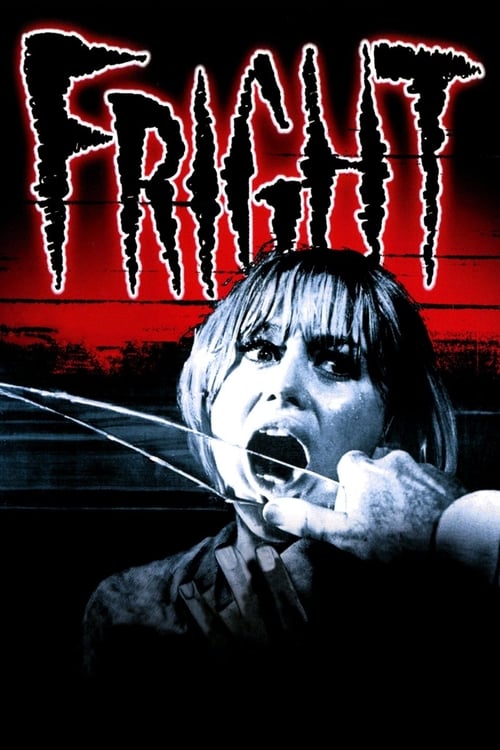
Fright
1971
No user ratings available yet
Representation score: 1.7 out of 10
Representation Score
Minimal
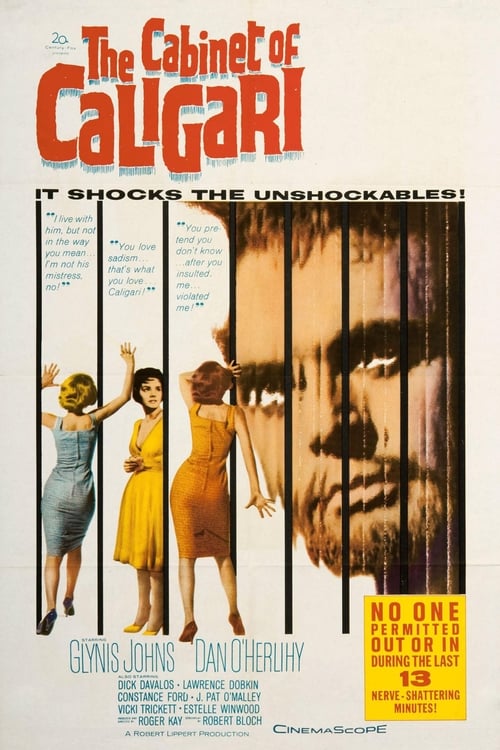
1962
NRDirector
Roger Kay
Runtime
106 minutes
Average Rating
No ratings yetNew Showbiz Analysis
The film follows conventional horror structures that reinforce traditional gender roles and power dynamics. It centers on a woman being pursued by a male antagonist, perpetuating existing social hierarchies rather than challenging them. Representation of racial and cultural diversity is minimal, focusing on a homogeneous cast typical of its time. Mental health issues are portrayed as a source of fear rather than a nuanced exploration of individual experiences.
Category Breakdown
The film does not include any characters with non-straight or non-cisgender identities, nor does it feature any same-sex relationships. The storyline revolves around a classic horror setup involving a woman and a madman.
The story follows traditional gender roles where a woman is trapped at the mercy of a male figure. It lacks any strong female influence or challenges to male dominance.
There is no indication of a diverse cast within the provided context. The film appears to follow the homogeneous casting norms typical of 1960s genre cinema.
The film explores themes rooted in traditional psychological horror without questioning established institutions. It does not engage with diverse cultural or religious perspectives.
The film treats mental health issues as a source of terror rather than a nuanced character trait. The 'madman' cliché is used as a plot device without giving the character much control over their situation.
Present on Screen
Limited or Absent
Official Synopsis
A delirious young woman feels trapped in a remote mansion at the mercy of a madman.
1971
1986
1972
1977
1963
1945
1971

1961
No reviews yet. Be the first to share your thoughts on this movie!
Use the rating form above to leave a star rating and optional review.