Hunger
2008
No user ratings available yet
Representation score: 4.3 out of 10
Representation Score
Fair
2011
RDirector
Steven Silver
Runtime
106 minutes
Average Rating
No ratings yetNew Showbiz Analysis
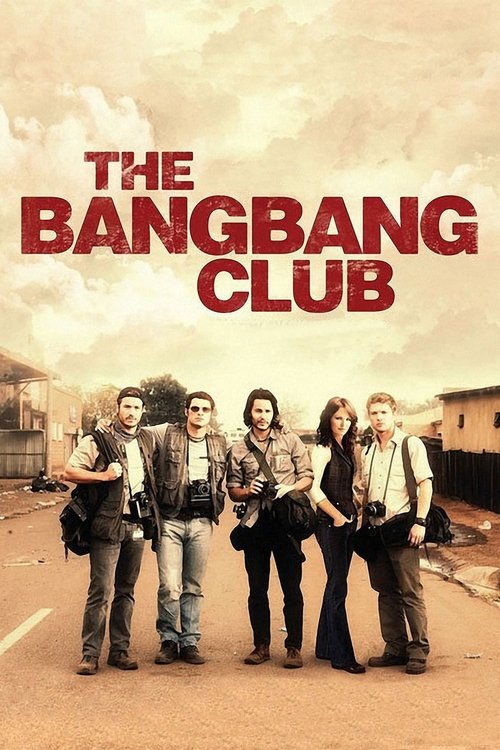
The film excels as a historical document of the dismantling of apartheid, offering significant visibility to the struggles of Black South Africans. Its strength lies in its unflinching portrayal of systemic racial injustice and the political upheaval of the 1994 transition. However, the narrative is heavily influenced by traditional gender hierarchies and a lack of LGBTQ+ representation. The focus remains almost entirely on a male-dominated professional circle, limiting diverse social identities. Ultimately, while the film provides deep cultural insights into post-colonial power shifts, it falls short in its representation of gender, disability, and sexual orientation.
Category Breakdown
The film centers on the bonds between four male photographers, with no visible representation of non-straight identities or stories that challenge the assumption that everyone is straight.
The story unfolds in a male-dominated professional environment where female characters play minor roles, while the male protagonists take charge through high-risk physical actions.
The narrative highlights the resistance efforts of Black South Africans against apartheid, emphasizing the role of those fighting against systemic oppression.
The film examines the breakdown of state authority and the ethical dilemmas faced by photojournalists during the political transition.
Disability and psychological trauma are shown as consequences of conflict, rather than central character traits.
Present on Screen
Limited or Absent
Official Synopsis
In the early to mid '90s, when the South African system of apartheid was in its death throes, four photographers - Greg Marinovich, Kevin Carter, Ken Oosterbroek and João Silva - bonded by their friendship and a sense of purpose, worked together to chronicle the violence and upheaval leading up to the 1994 election of Nelson Mandela as president. Their work is risky and dangerous, potentially fatally so, as they thrust themselves into the middle of chaotic clashes between forces backed by the government (including Inkatha Zulu warriors) and those in support of Mandela's African National Congress.
2008
1990
2002
1987
2013
2006
2009
2007
No reviews yet. Be the first to share your thoughts on this movie!
Use the rating form above to leave a star rating and optional review.