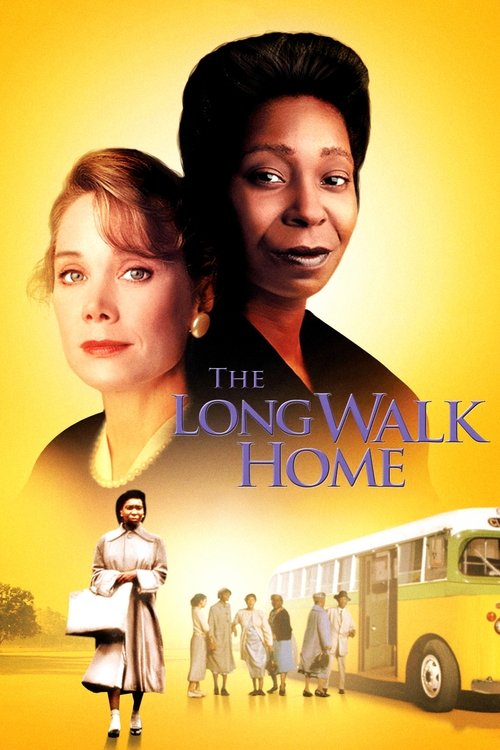
The Long Walk Home
1990
No user ratings available yet
Representation score: 4.7 out of 10

Representation Score
Fair
2019
PG-13Director
Robin Bissell
Runtime
133 minutes
Average Rating
No ratings yetNew Showbiz Analysis
The Best of Enemies is a historical drama that focuses on breaking down systemic social divides. It succeeds by emphasizing the leadership of underrepresented individuals, especially through the lens of Black activism and female leadership during the Civil Rights era. The film's strength lies in its portrayal of racial and gender issues without ignoring race. By showing the tension between institutionalized segregation and grassroots movements, it offers a strong critique of the era's social hierarchies. However, the film's scope is limited. While it excels in depicting racial and gender dynamics, it does not include any representation of LGBTQ+ or disabled communities.
Category Breakdown
The film is set in 1971 North Carolina and does not include any LGBTQ+ characters or stories that go beyond the assumption that everyone is straight.
Ann Atwater is a key figure who drives the story forward with her strong leadership and powerful speeches. She challenges the male-dominated power structures of the time.
The story focuses on the struggles of Black citizens against white supremacy. Black characters are shown as leaders of social change rather than just being victims.
The film highlights the oppressive laws and social norms of the 1970s South. It portrays desegregation as a necessary step to break down a corrupt system.
There is no significant focus on visible or invisible disabilities in the story.
Present on Screen
Limited or Absent
Official Synopsis
Centers on the unlikely relationship between Ann Atwater, an outspoken civil rights activist, and C.P. Ellis, a local Ku Klux Klan leader who reluctantly co-chaired a community summit, battling over the desegregation of schools in Durham, North Carolina during the racially-charged summer of 1971. The incredible events that unfolded would change Durham and the lives of Atwater and Ellis forever.
1990
1996

2022
1981
2021
1987

2021

2018
No reviews yet. Be the first to share your thoughts on this movie!
Use the rating form above to leave a star rating and optional review.