
LBJ
2017
No user ratings available yet
Representation score: 1.2 out of 10
Representation Score
Limited
2013
PG-13Director
Peter Landesman
Runtime
94 minutes
Average Rating
No ratings yetNew Showbiz Analysis
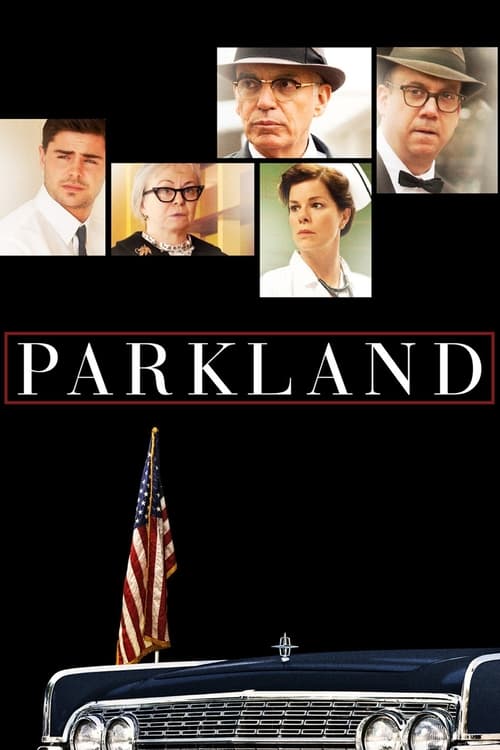
Parkland is a historically accurate reconstruction that emphasizes the demographic realities of 1963 Dallas. It reflects the racial homogeneity and traditional gender hierarchies of the time. While the film does not prioritize identity-based inclusion, it offers a moderate score through its cultural examination of Western stability. It shifts away from a heroic narrative to explore the systemic collapse of institutions. The film's strength lies in its depiction of political instability and the breakdown of institutional order, rather than a commitment to progressive casting.
Category Breakdown
The film stays within a strictly heterosexual and cisgender historical context. There are no identifiable LGBTQ+ characters or narratives involving non-conforming gender identities.
The story focuses on male-dominated areas such as law enforcement and intelligence. While Marina Oswald is a significant character, her role is largely defined by her relationship to Lee Harvey Oswald.
The cast is mainly composed of white actors, reflecting the demographics of 1963 Dallas. The film does not include actors from diverse backgrounds or prioritize minority perspectives.
The film effectively explores moral ambiguity and questions the infallibility of institutions. It highlights the instability and chaos after the assassination.
There is no significant focus on visible or invisible disabilities. Character challenges are primarily psychological and political rather than centered on physical or neurodivergent conditions.
Present on Screen
Limited or Absent
Official Synopsis
November 22nd, 1963 was a day that changed the world forever — when young American President John F. Kennedy was assassinated in Dallas, Texas. This film follows, almost in real time, a handful of individuals forced to make split-second decisions after an event that would change their lives and forever alter the world’s landscape.
2017

1995
2017
2002
2018
1990
2017
2017
No reviews yet. Be the first to share your thoughts on this movie!
Use the rating form above to leave a star rating and optional review.