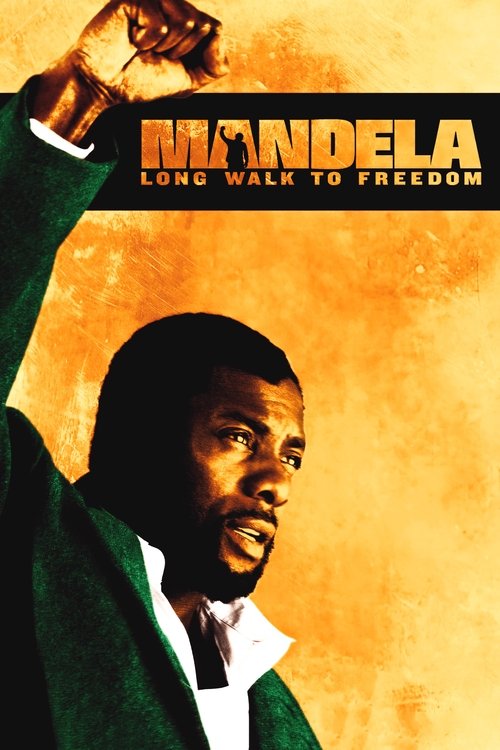
Mandela: Long Walk to Freedom
2013
No user ratings available yet
Representation score: 4.7 out of 10
Representation Score
Fair
2007
RDirector
Bille August
Runtime
115 minutes
Average Rating
No ratings yetNew Showbiz Analysis
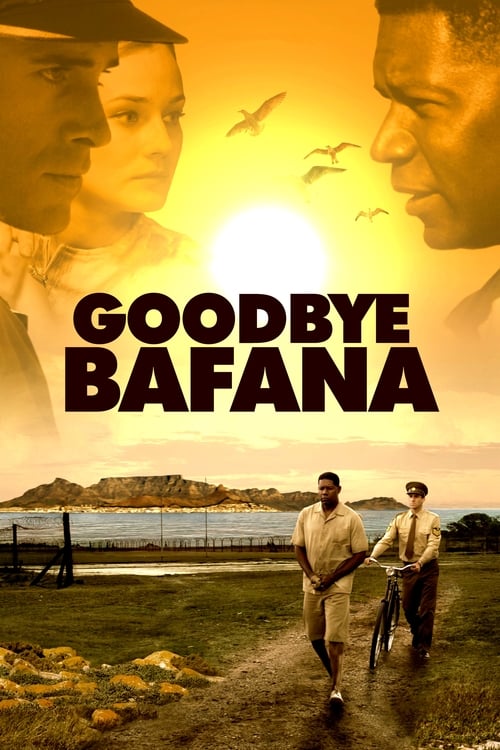
Goodbye Bafana is a nuanced examination of racial hierarchies and systemic oppression. By focusing on the relationship between a white guard and Nelson Mandela, the film delves deeply into the struggle against institutional racism. The film offers a powerful post-colonial critique, challenging the moral foundations of the 1970s social order. It uses the racial divide as a key driver for character development, offering a deep insight into the Black experience under Apartheid. However, the film narrows its focus to racial and political tensions, lacking representation for LGBTQ+ individuals and disability issues.
Category Breakdown
The film does not include any LGBTQ+ characters or explore non-straight relationships.
A Black female protagonist faces systemic challenges and survival struggles. However, the power dynamics often favor the male protagonist's viewpoint, limiting the exploration of gender equality.
The film breaks from traditional white-centric historical dramas by focusing on the relationship between a white South African and the experiences of Black South Africans. It emphasizes the ability to act of those who are oppressed.
The film critiques the South African state through a post-colonial lens. It highlights the dehumanizing nature of racial laws in the 1970s and examines institutional corruption.
There are no significant representations of disabilities that play a central role in the narrative.
Present on Screen
Limited or Absent
Official Synopsis
The true story of a white South African racist whose life was profoundly altered by the black prisoner he guarded for twenty years. The prisoner's name was Nelson Mandela.
2013
1990

2020

1959

2009
1987
2013

2011
No reviews yet. Be the first to share your thoughts on this movie!
Use the rating form above to leave a star rating and optional review.