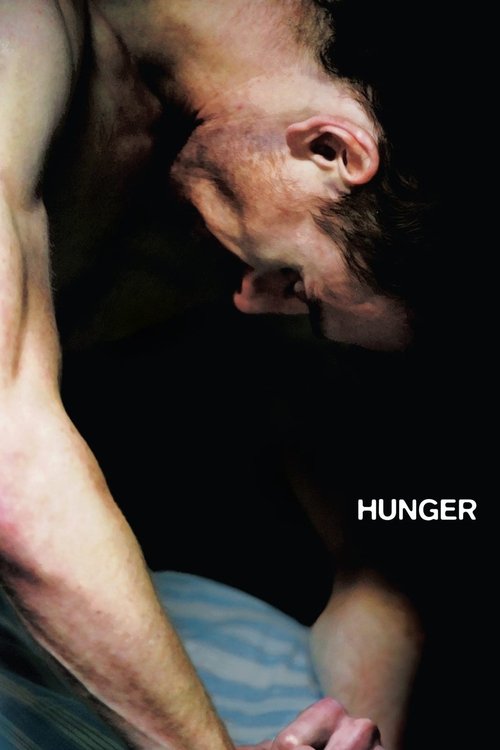
Hunger
2008
No user ratings available yet
Representation score: 4.3 out of 10

Representation Score
Fair
2002
RDirector
Paul Greengrass
Runtime
107 minutes
Average Rating
No ratings yetNew Showbiz Analysis
Paul Greengrass’s film is a specialized historical drama that prioritizes a post-colonial critique over broad demographic inclusivity. It succeeds by centering the experiences of a disenfranchised community to challenge official state narratives. However, the film lacks representation in several key areas. It offers no LGBTQ+ narratives and maintains a traditional gender hierarchy where men drive the primary action. Ultimately, the work finds its value in interrogating systemic oppression and the human cost of institutional conflict, even while failing to meet modern standards for diverse character archetypes.
Category Breakdown
The film does not include any identifiable LGBTQ+ characters or stories. The focus is on the sectarian and civil rights struggles of the time.
Men dominate the narrative through activists and military personnel. Women appear in the Derry community but mostly play traditional roles rather than driving the plot.
The film centers on the lived experience of the Irish Nationalist community. It explores the identity of a underrepresented group dealing with a dominant occupying power.
The narrative provides a deep critique of Western institutional authority and state-sanctioned violence. It uses a post-colonial framework to examine the breakdown of trust between civilians and the military.
The film does not focus on disability or neurodivergence. Physical trauma is shown as a result of state violence rather than exploring disability issues.
Present on Screen
Limited or Absent
Official Synopsis
The dramatised story of the Irish civil rights protest march on January 30 1972 which ended in a massacre by British troops.
2008

2018
2020

1990
2011

1959

2013

2012
No reviews yet. Be the first to share your thoughts on this movie!
Use the rating form above to leave a star rating and optional review.