The Dancing Millionaire
1934
No user ratings available yet
Representation score: 1.1 out of 10
Representation Score
Minimal
1938
ApprovedDirector
James Tinling
Runtime
72 minutes
Average Rating
No ratings yetNew Showbiz Analysis
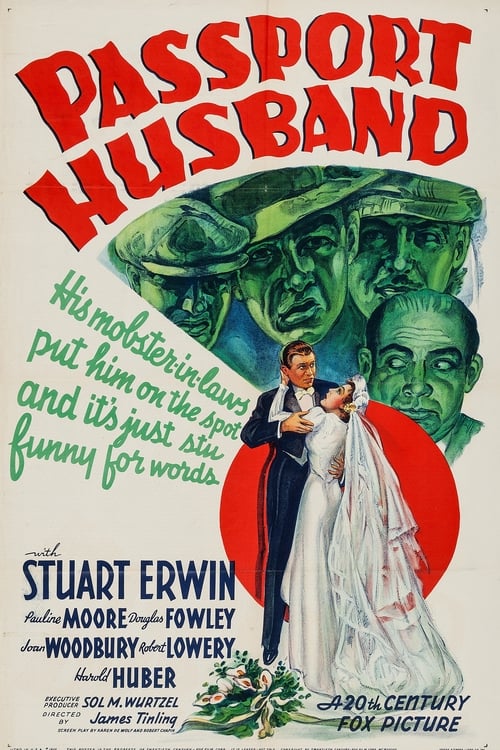
Passport Husband is a product of the 1938 studio system, adhering to the conventional social hierarchies and comedic structures of its time. The film relies on established clichés, such as the bumbling male protagonist and the female character as a romantic prize. While the film introduces non-Anglo-Saxon elements through its Latin-influenced setting and character names, it does not appear to challenge the status quo. The plot remains focused on criminal activity and citizenship rather than deep cultural or systemic exploration. Ultimately, the film provides a standard period comedy experience that lacks the multi-layered complexity or subversive challenges required for a higher diversity rating.
Category Breakdown
The film focuses on a traditional heterosexual romance between Henry Cabot and Conchita Montez. There are no visible LGBTQ+ characters or narratives present.
Gender roles follow era-specific clichés, with Henry Cabot portrayed as a bumbling comedic lead. Conchita Montez serves primarily as an object of desire, lacking significant narrative control.
The setting of Club Habana and the character Conchita Montez suggest a Latin American or Caribbean influence. However, it is unclear if these elements provide depth or merely serve as exoticism.
The story centers on crime, gang dynamics, and deportation within standard genre frameworks. It lacks any significant cultural critique or exploration of non-Western social structures.
The narrative contains no mention of characters with visible or invisible disabilities.
Present on Screen
Limited or Absent
Official Synopsis
At the Club Habana, Henry Cabot, a bumbling busboy, is infatuated with the club's dancer, Conchita Montez. As Tiger Martin, the leader of a gang of thieves, gives Conchita a diamond bracelet, he is arrested. After Tiger is deported, Duke Selton, of Tiger's gang, pays a visit to Conchita and tells her he believes that Blackie Bennet, the leader of a rival gang, is responsible for tipping off the police about Tiger's citizenship.
1934
1933
1940

1931
1938

1937
1931
1935
No reviews yet. Be the first to share your thoughts on this movie!
Use the rating form above to leave a star rating and optional review.