
A Dog's Best Friend
1959
No user ratings available yet
Representation score: 0.4 out of 10

Representation Score
Minimal
1946
PGDirector
Louis King
Runtime
87 minutes
Average Rating
No ratings yetNew Showbiz Analysis
Smoky is a conventional 1940s Western that adheres strictly to the genre archetypes of its era. The narrative structure reinforces traditional social hierarchies and frontier values rather than challenging them. While the film includes a female ranch owner, providing some women's ability to drive the story, the overall focus remains on masculine resilience. The lack of racial or LGBTQ+ complexity keeps the film firmly within the period's standard social norms. Ultimately, the film functions as a straightforward genre piece that prioritizes traditional character roles and the stability of Western institutions.
Category Breakdown
The film centers on the relationship between a man and his dog. It operates within the standard social structures of the 1940s without any representation of LGBTQ+ identities.
Julie Richards, a female ranch owner, plays a significant role in the story. However, the central emotional arc and survival themes revolve around the male protagonist, Clint Barkley.
The narrative reflects the homogeneous casting norms of the 1940s Western genre. There is no indication of diverse ethnic characters or non-Anglo-Saxon representation.
The story reinforces a classic frontier ethos of duty and survival. It utilizes traditional Western clichés centered on ranch ownership and individual perseverance.
The film provides no information regarding the portrayal of physical or neurodivergent disabilities.
Present on Screen
Limited or Absent
Official Synopsis
Clint Barkley first sees Smoky as a runaway, and drives him back to the ranch where he meets the owner, Julie Richards. He is given a job on her ranch, but the head cowhand is doubtful about Clint and fears that since he refuses to talk about himself, he must have some dreadful secret in his past. Clint and Smoky become close to each other, weathering the hardships of Western life and the suspicions of others together, until one day, Smoky tragically vanishes. Will Clint ever see him again?
1959
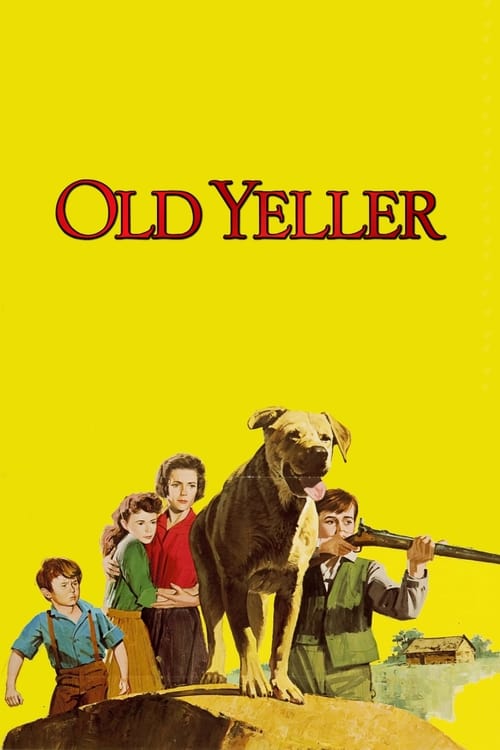
1957
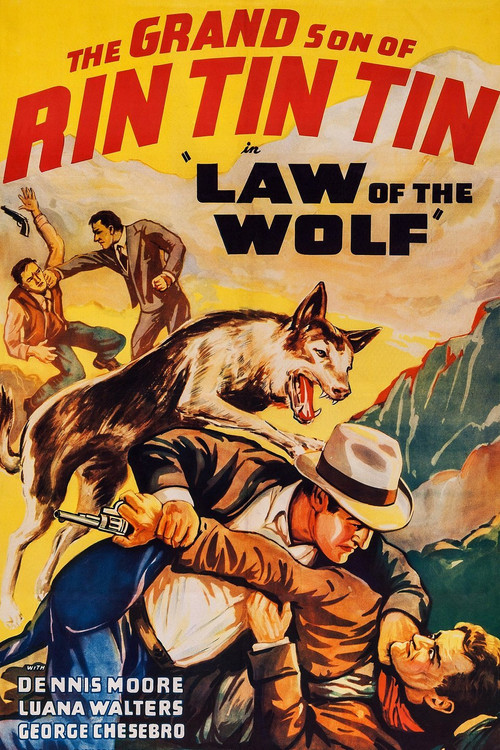
1939
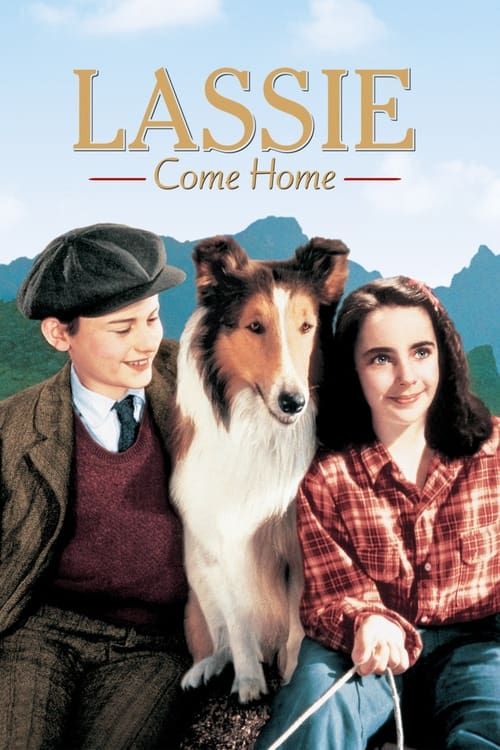
1943
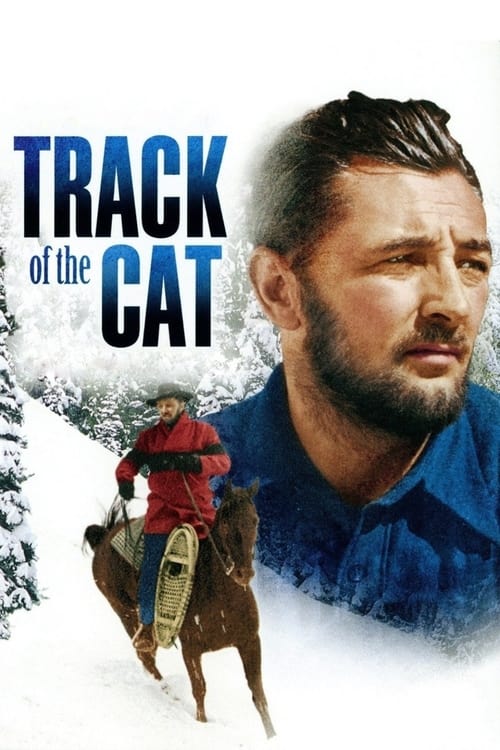
1954
1946
1957
1937
No reviews yet. Be the first to share your thoughts on this movie!
Use the rating form above to leave a star rating and optional review.