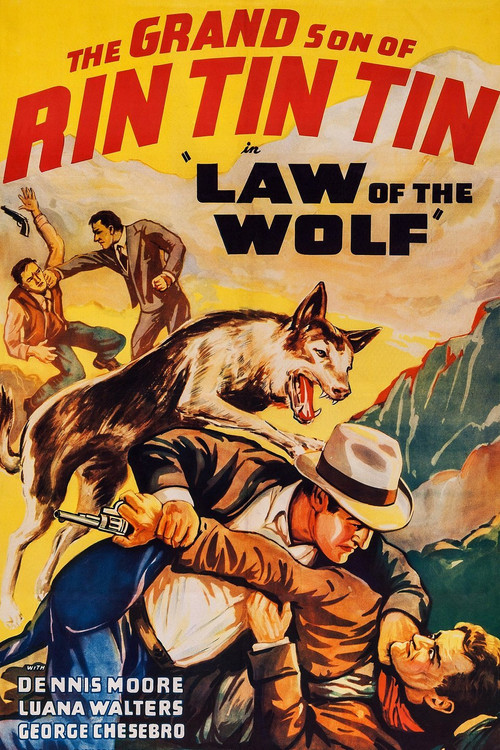
Law of the Wolf
1939
No user ratings available yet
Representation score: 2.7 out of 10

Representation Score
Minimal
1959
ApprovedDirector
Edward L. Cahn
Runtime
70 minutes
Average Rating
No ratings yetNew Showbiz Analysis
A Dog's Best Friend is a classic product of its time, functioning as a typical mid-century drama. The narrative structure is built around traditional values, focusing on individual loyalty and maintaining the status quo. The film upholds established social hierarchies without challenging them. It relies on conventional social archetypes and lacks the complexity needed for a more inclusive rating. Overall, the production adheres to the social norms of the 1950s, providing a narrow perspective on identity and community that reflects the storytelling conventions of the era.
Category Breakdown
The film does not include any characters with non-binary gender identities or same-sex relationships. It follows the assumption that everyone is straight and cisgender, typical of 1950s productions.
The story reinforces traditional gender roles from the mid-20th century. It centers on a male child protagonist and lacks strong female characters in positions of authority.
The film features a predominantly white cast. The setting and characters align with typical depictions of small-town American life without significant racial diversity.
The story emphasizes traditional Western moral values and social stability. It focuses on themes of loyalty and companionship without critiquing Western institutions.
The film does not portray any visible or invisible disabilities. Characters do not utilize neurodivergence or physical disabilities as part of their character development.
Present on Screen
Limited or Absent
Official Synopsis
A young orphan rejects his foster parents and instead turns to a German shepherd whose master was recently murdered. Stumbling on some evidence, the boy is rescued from the killer by his dog.
1939
1957

1946
1937
1957
1939
1965

1958
No reviews yet. Be the first to share your thoughts on this movie!
Use the rating form above to leave a star rating and optional review.