The Rainbow Trail
1932
No user ratings available yet
Diversity score: 3.1 out of 10
1937
ApprovedDirector
Lewis D. Collins
Runtime
67 minutes
Average Rating
No ratings yetSynopsis
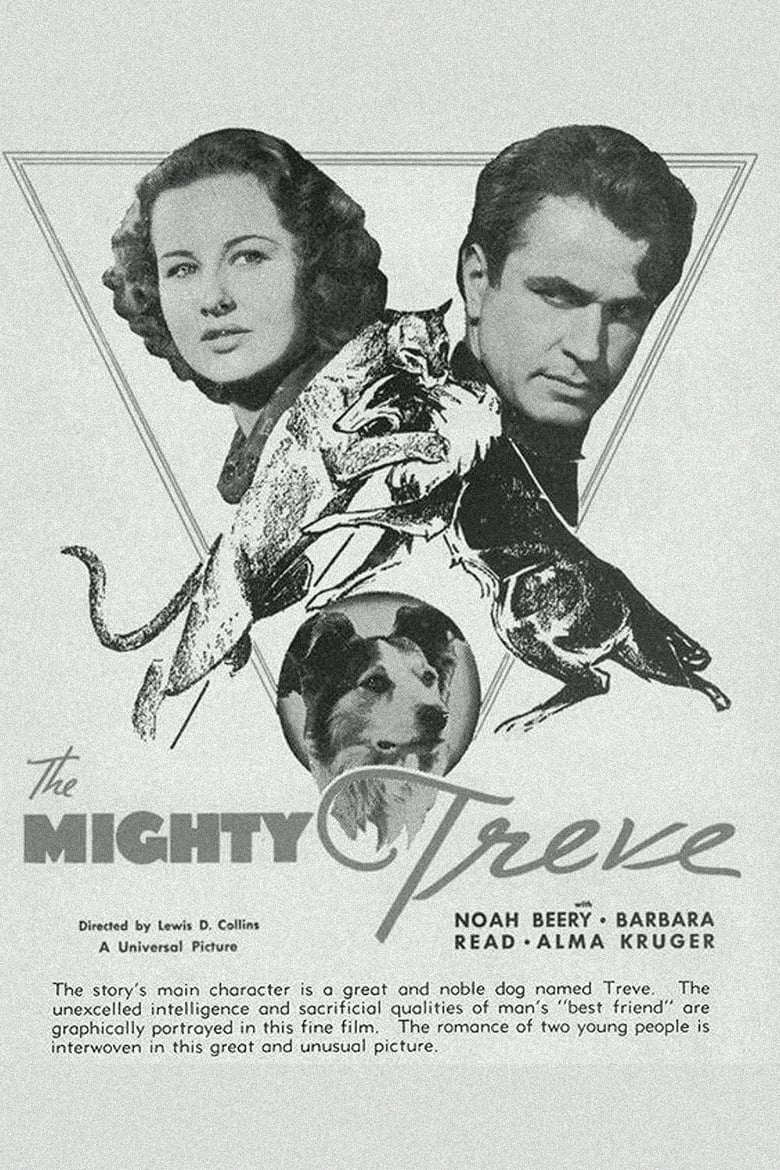
Story of a dog that is fanatically devoted to its master.
Overall Score
Limited
Category Breakdown
LGBTQ+ Representation
The film lacks any evidence of non-cisnormative identities or same-sex intimacy. The narrative focuses on animal devotion within a traditional, heteronormative framework.
Gender Representation
The master-dog dynamic reinforces traditional masculine leadership and hierarchy. There is no indication of subverted gender roles or the deconstruction of patriarchal authority.
Racial & Ethnic Diversity
As a 1937 Western, the film likely adheres to era-standard depictions of the frontier. It lacks high-agency characters of color or diverse casting.
Religious & Cultural Diversity
The story operates within a traditional Western moral framework. It emphasizes classical values of loyalty and hierarchy rather than critiquing social structures.
Disability Representation
There is no verifiable evidence regarding the inclusion of characters with physical or neurodivergent disabilities.
Strengths
Areas for Improvement
AI Analysis
The Mighty Treve is a conventional 1937 Western that prioritizes genre tropes over social complexity. The narrative centers on the fanatical devotion of a dog to its master, a theme that reinforces established social hierarchies and traditional values of loyalty. Because the film was produced during an era of standard industry practices, it lacks intentionality regarding intersectional storytelling. The focus remains on a stable, patriarchal framework typical of the period's adventure films. Ultimately, the film functions as a period-typical genre piece. It reinforces existing social structures rather than offering any meaningful disruption or diverse representation.
No reviews yet. Be the first to share your thoughts on this movie!
Use the rating form above to leave a star rating and optional review.