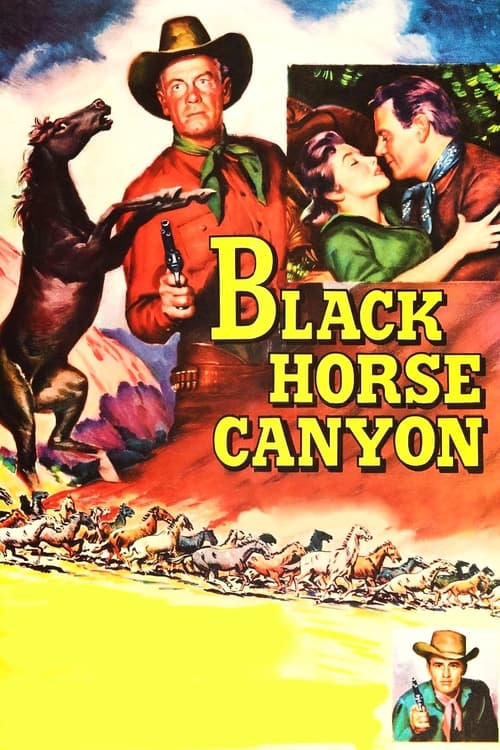
Black Horse Canyon
1954
No user ratings available yet
Representation score: 0.4 out of 10
Representation Score
Limited
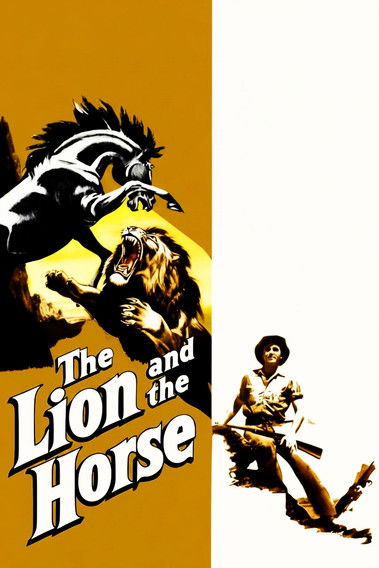
1952
Director
Louis King
Runtime
83 minutes
Average Rating
No ratings yetNew Showbiz Analysis
The Lion and the Horse is a classic mid-century Western that adheres closely to the cinematic conventions of 1952. The narrative revolves around a cowboy's struggle to reclaim a stallion from a cruel owner, reinforcing traditional themes of individual property and frontier grit. Due to the Hays Code era, the film does not depict any LGBTQ+ identities or challenge traditional gender hierarchies. The story relies on established genre clichés, focusing on a male protagonist and a clear moral conflict between the hero and the antagonist. Overall, the film serves as a conventional genre piece, reinforcing the social and racial hierarchies typical of its time without offering any deeper cultural critique or multi-layered depth.
Category Breakdown
The film does not include any LGBTQ+ characters or narratives, adhering to the strict social and censorship standards of the 1950s.
The story centers around a male protagonist and his relationship with nature. Gender roles are portrayed as rigid, with masculinity defined by rugged individualism and women typically occupying secondary roles.
The film likely follows typical 1952 casting practices, focusing on white protagonists and reinforcing homogeneous Western clichés.
The story emphasizes traditional Western values such as property rights and frontier grit. The conflict follows a clear moral dichotomy rather than exploring systemic critiques of Western institutions.
There is no evidence of characters with visible or invisible disabilities. Mid-century Westerns generally lack meaningful disability representation.
Present on Screen
Limited or Absent
Official Synopsis
After selling it to a cruel rodeo owner, a cowboy attempts to buy back the wild stallion he snared.
1954
1960
1949
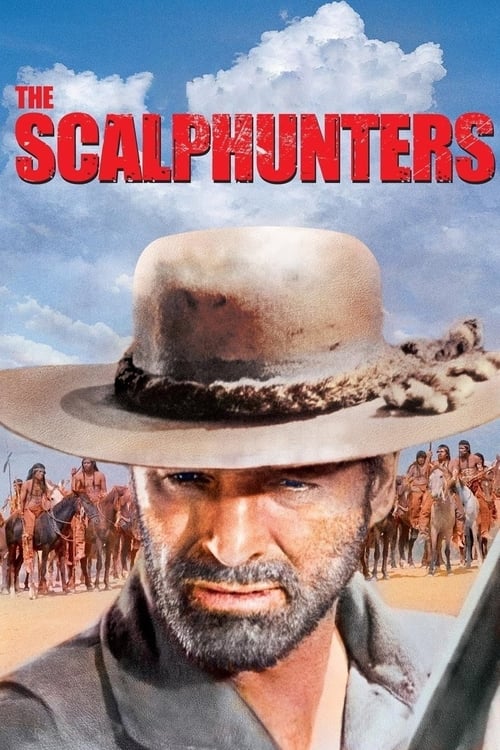
1968
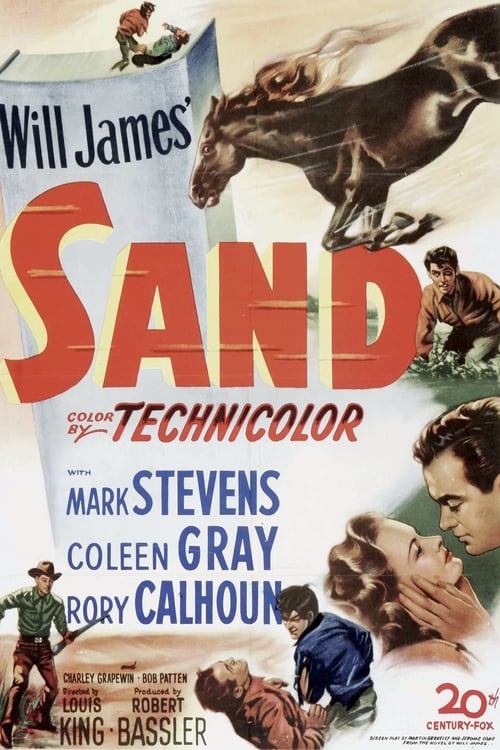
1949

1937
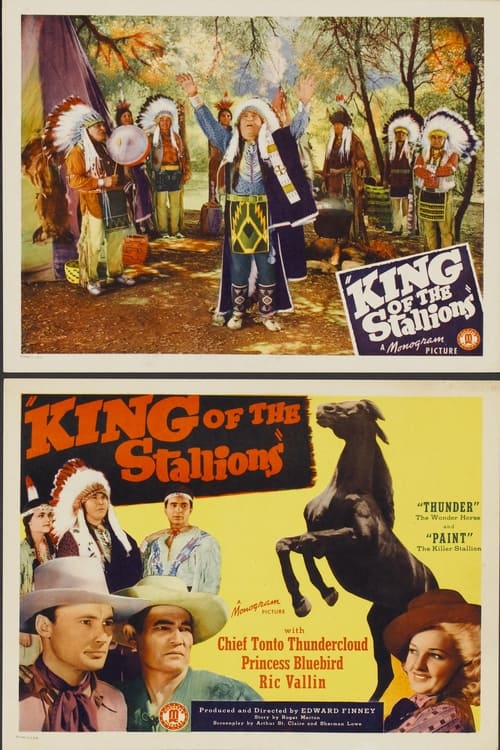
1942
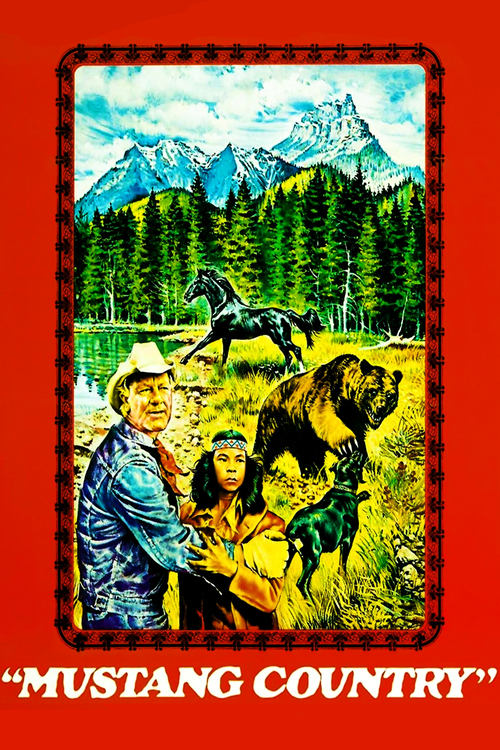
1976
No reviews yet. Be the first to share your thoughts on this movie!
Use the rating form above to leave a star rating and optional review.