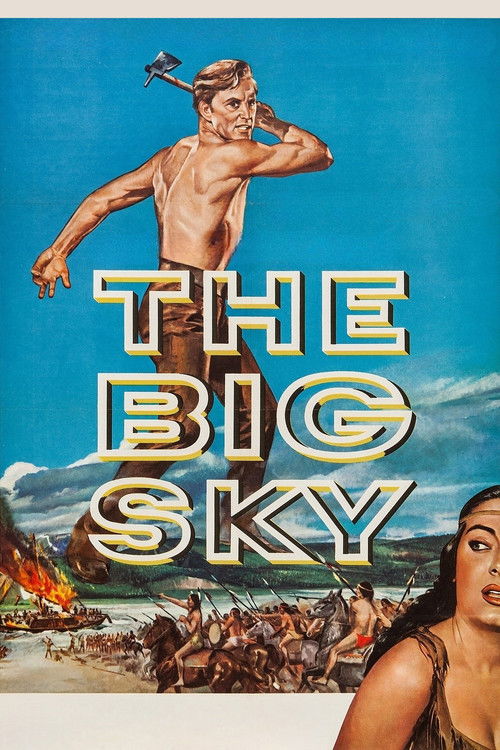
The Big Sky
1952
No user ratings available yet
Representation score: 1.2 out of 10

Representation Score
Minimal
1949
NRDirector
Phil Karlson
Runtime
78 minutes
Average Rating
No ratings yetNew Showbiz Analysis
The Big Cat is a standard mid-century adventure drama that prioritizes traditional narrative arcs over social subversion. It explores the theme of man versus nature while operating within the established social hierarchies of the late 1940s. The film lacks intentionality regarding identity, instead reinforcing the conventional formulas of its era. It relies on a restorative arc where a male outsider returns to a rural setting to restore communal stability. Ultimately, the work serves as a representative example of genre filmmaking from its period, offering little disruption to the status quo of gender, race, or orientation.
Category Breakdown
The film follows strict conventions that assume everyone is straight or cisgender. There are no queer narratives or non-cisgender identities in the story.
The plot centers around a male protagonist resolving a crisis, emphasizing traditional masculine roles. Women likely play supportive or domestic roles rather than driving the narrative.
The production reflects the homogeneous casting norms of the era. The narrative focuses on a standard Anglo-Saxon perspective typical of mid-century Westerns.
The story aligns with mid-century Western values and traditional morality. It focuses on restoring order to a community rather than challenging social institutions.
There is no discernible evidence regarding the portrayal of physical or neurodivergent identities within the film's synopsis.
Present on Screen
Limited or Absent
Official Synopsis
A city boy arrives in his late mother's birthplace to discover the locals have been pestered by a cougar.
1952
1930

1950
1953
1951
1954
1956
1954
No reviews yet. Be the first to share your thoughts on this movie!
Use the rating form above to leave a star rating and optional review.