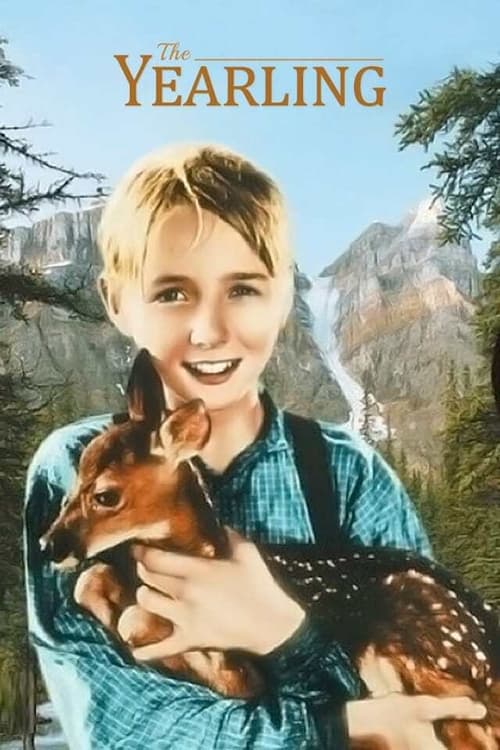
The Yearling
1946
No user ratings available yet
Diversity score: 1.8 out of 10

1948
NRDirector
Louis King
Runtime
89 minutes
Average Rating
No ratings yetSynopsis
The romance of a rancher's niece and a rival rancher's son parallels that of a stallion and a mare.
Overall Score
Limited
Category Breakdown
LGBTQ+ Representation
The film centers on a traditional romance between a rancher's niece and a rival's son. It reinforces the standard romantic paradigms of 1948 cinema without exploring non-heteronormative identities.
Gender Representation
While the female protagonist is central to the plot, she functions primarily within a romantic framework. The narrative tends to position women as emotional catalysts for male-driven ranching conflicts.
Racial & Ethnic Diversity
The production likely adheres to the Anglo-centric depictions of the American frontier common in the era. There is no evidence of diverse casting or non-white characters possessing narrative agency.
Religious & Cultural Diversity
The story emphasizes traditional Western values like land ownership and family lineage. It operates within established social hierarchies rather than deconstructing Western institutions or cultural norms.
Disability Representation
There is no documented evidence regarding the inclusion or portrayal of characters with physical or neurodivergent disabilities in this production.
Strengths
Areas for Improvement
AI Analysis
Green Grass of Wyoming is a conventional mid-century Western that prioritizes genre tropes over social subversion. The narrative relies on the star-crossed lovers trope to drive a plot centered on ranching rivalries and property disputes. The film functions as a product of its era, reinforcing mid-century social norms through its character dynamics and cultural focus. It lacks the intersectional complexity or progressive narrative structures found in more modern or subversive works. Ultimately, the film serves as a standard genre piece that maintains the status quo of the 1940s Western landscape.
1946
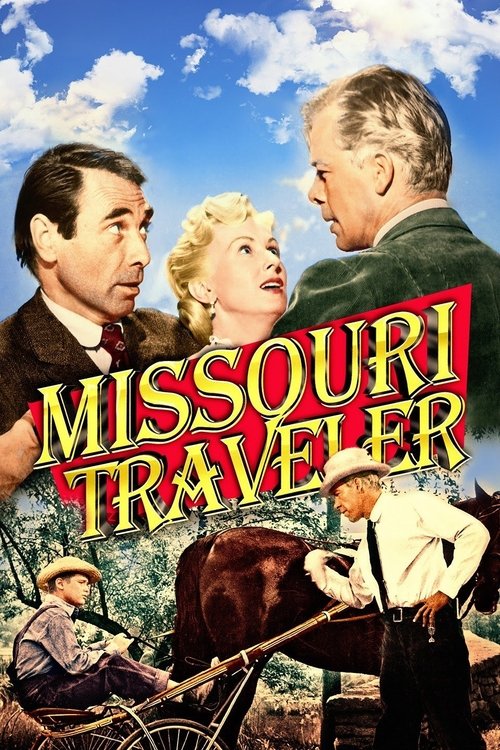
1958
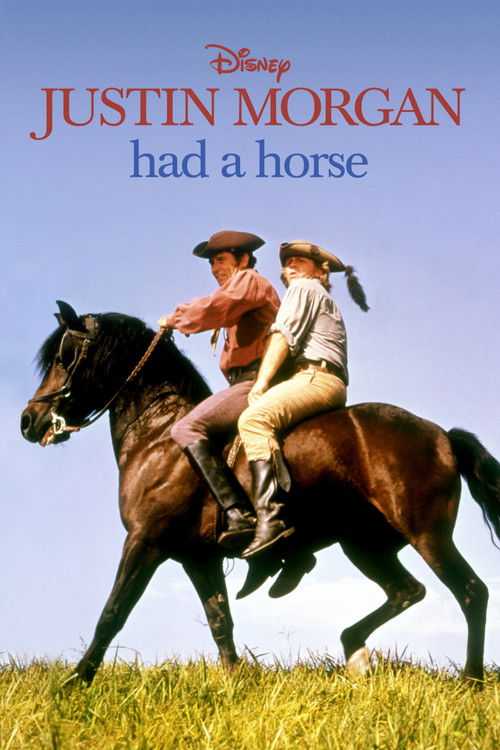
1972
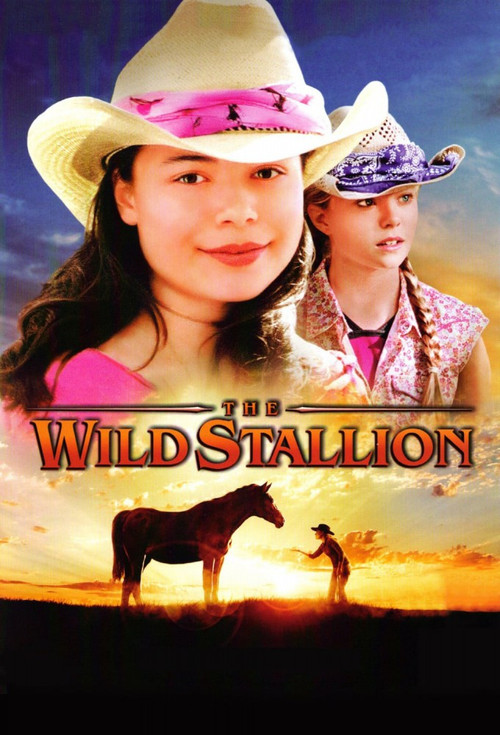
2009
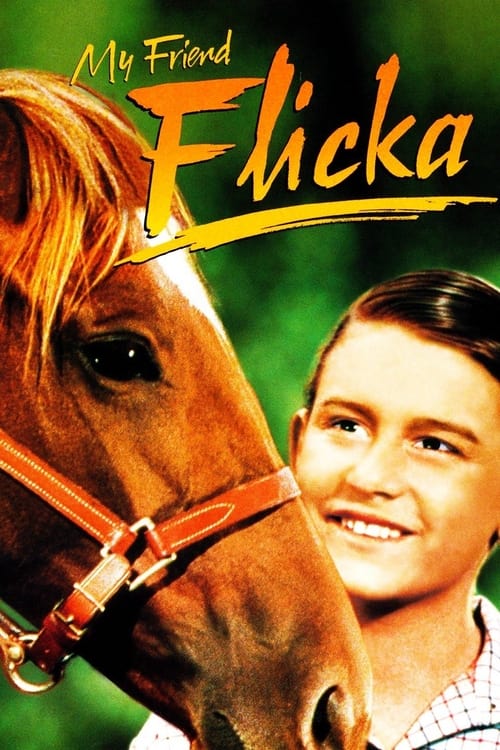
1943
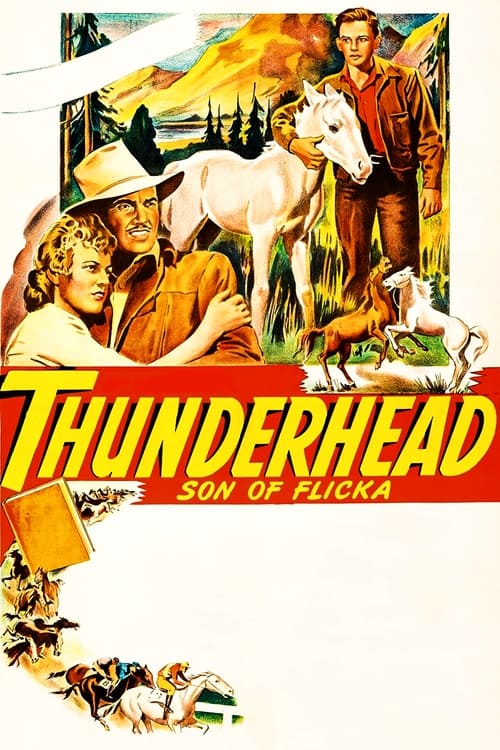
1945
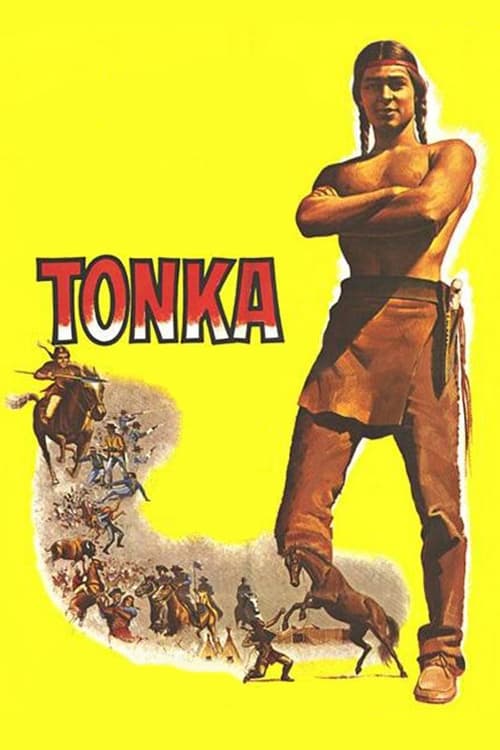
1958
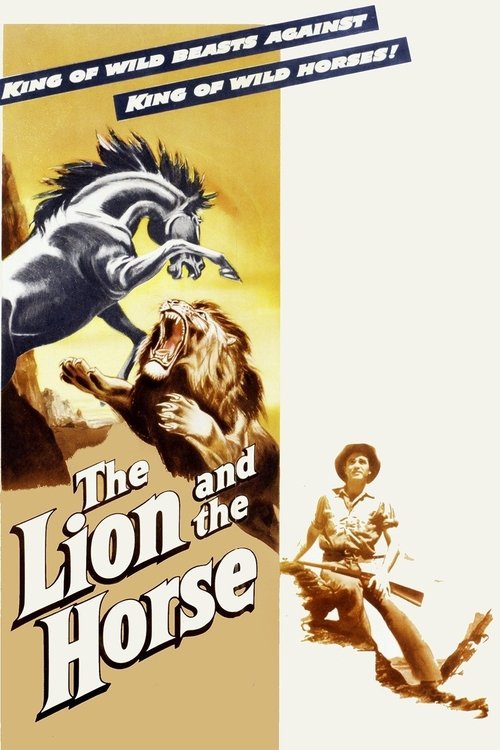
1952
No reviews yet. Be the first to share your thoughts on this movie!
Use the rating form above to leave a star rating and optional review.