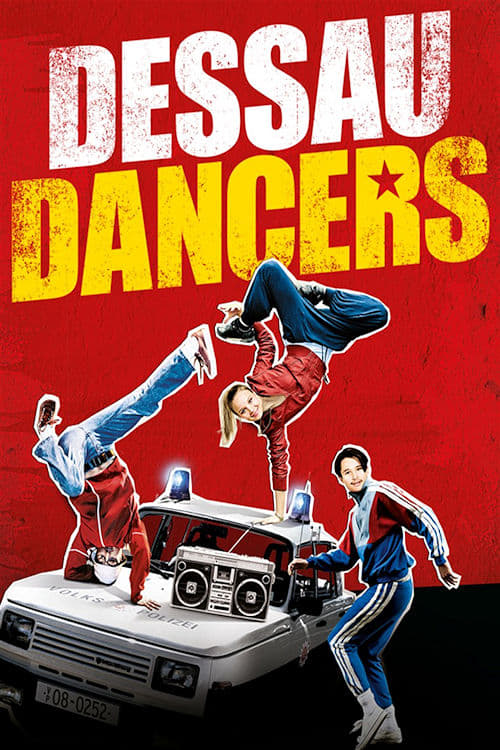
Dessau Dancers
2014
No user ratings available yet
Diversity score: 5.4 out of 10
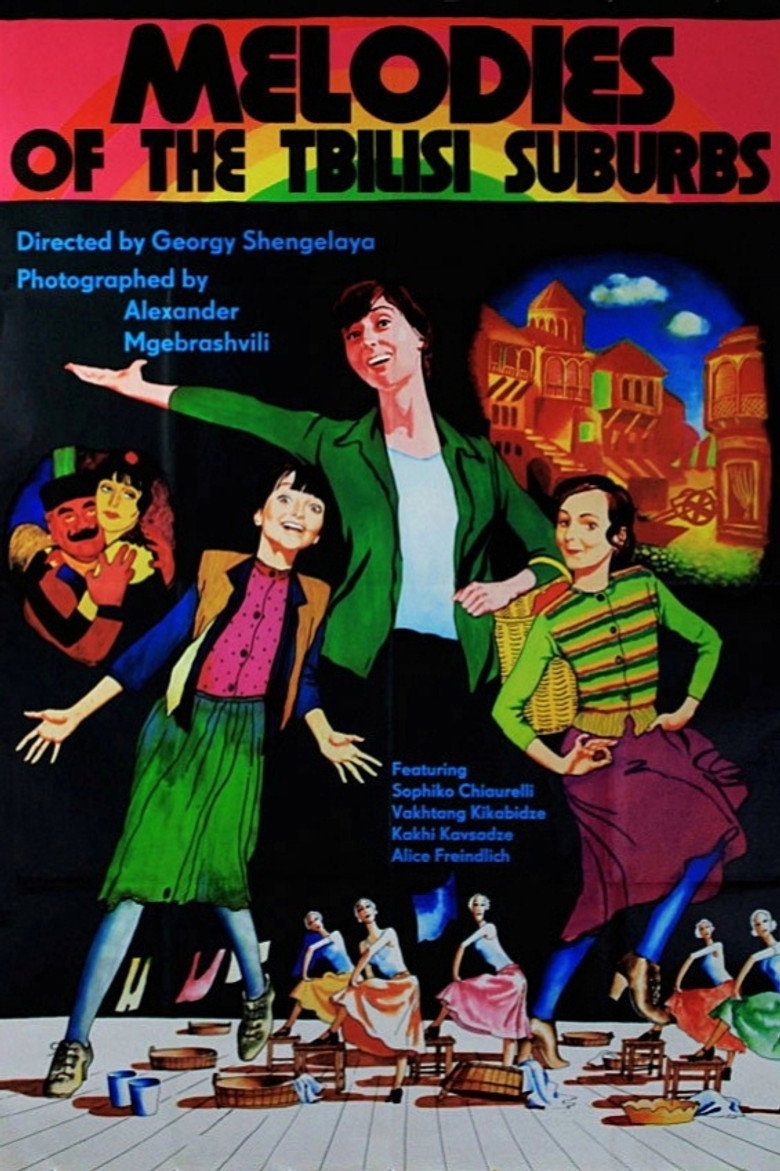
1973
Director
Giorgi Shengelaia
Runtime
96 minutes
Average Rating
No ratings yetSynopsis
This musical is based on old Georgian vaudevilles and plays. The early 20th century. Old Tiflis is in confusion and turmoil. A mysterious fairy is helping the poor Pavle’s family: real wood is burning in his old, neglected fireplace, wherein a pot with meat would suddenly appear. The good fairy is impersonated by laundress Vardo who helps not only the poor Pavle, but other families in this quarter as well. Vardo is known to many people in the town, but no one ever suspected that she was capable of performing miracles. The film’s colorful folk melodies, merry songs and fiery dances leave no viewer indifferent. Starring in the leading role is the great Georgian actress Sofiko Chiaureli.
Overall Score
Good
Category Breakdown
LGBTQ+ Representation
The film lacks explicit depictions of LGBTQ+ identities or non-heteronormative romance. The narrative centers on the domestic life of the Pavle family and the communal struggles of the Vera quarter.
Gender Representation
Vardo subverts traditional hierarchies by acting as a primary driver of change. As a laundress, she possesses profound agency, performing miracles that provide stability for the marginalized community.
Racial & Ethnic Diversity
The work celebrates Georgian ethnic identity through localized folk melodies and dances. It resists Western-centric cinematic norms by centering the specific cultural landscape of early 20th-century Tiflis.
Religious & Cultural Diversity
The story emphasizes communal survival and localized spirituality over state or religious institutions. It uses Vardo's miracles to critique economic hardship and redistribute resources to the needy.
Disability Representation
There are no visible or invisible disabilities central to the character arcs or the plot progression.
Strengths
Areas for Improvement
AI Analysis
Melodies of the Vera Quarter succeeds as a culturally specific celebration of Georgian heritage. By utilizing traditional music and dance as essential narrative tools, the film avoids the homogenization often found in Western cinema. It effectively elevates the working class through its focus on communal struggle. The film's strength lies in its subversion of gender roles, specifically through Vardo's agency. However, the narrative remains focused on traditional domestic and communal structures, leaving little room for queer perspectives or disability representation.
2014
1955
1982
1945
1934
1936
1986
1968
1954
1937
1959

1954
No reviews yet. Be the first to share your thoughts on this movie!
Use the rating form above to leave a star rating and optional review.