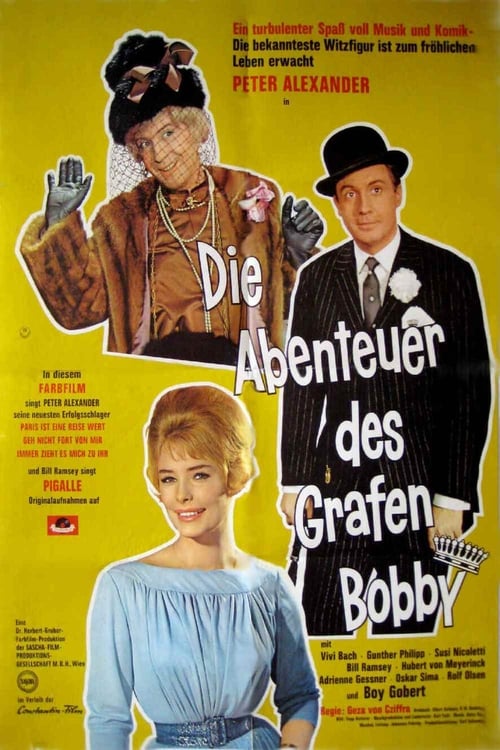
Die Abenteuer des Grafen Bobby
1961
No user ratings available yet
Representation score: 2.3 out of 10
Representation Score
Limited
1968
Director
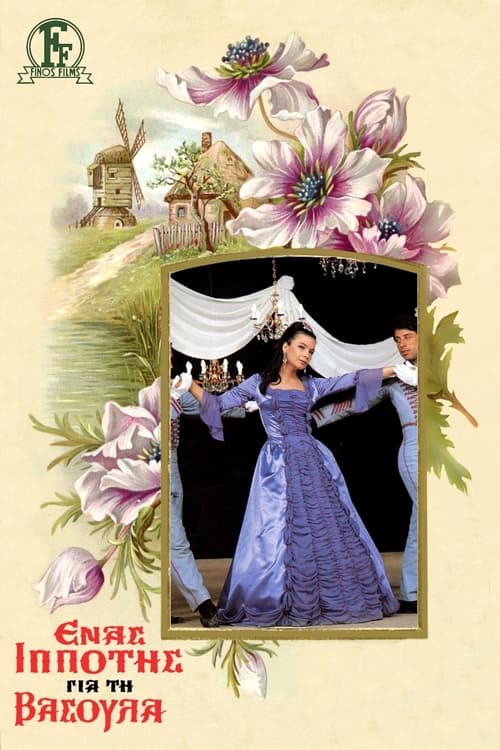
Giannis Dalianidis
Runtime
94 minutes
Average Rating
No ratings yetNew Showbiz Analysis
A Knight for Vasoula is a period-specific musical comedy that adheres closely to the social norms of 1960s Greece. While it centers on a female protagonist, the resolution relies on traditional domestic outcomes and legal conformity. The film serves as a cultural artifact of its time, highlighting class status and familial legitimacy. It lacks significant representation of diverse identities, focusing instead on a singular ethnic and heterosexual perspective. Ultimately, the film prioritizes lighthearted entertainment and traditional romantic structures over any challenge to established social hierarchies.
Category Breakdown
The film follows a typical heterosexual relationship storyline. There are no representations of LGBTQ+ identities or challenges to heterosexuality within the story.
Vasoula drives the main conflict, but her role is limited by the plot's focus on deception. She must ultimately conform to traditional marriage structures to secure her inheritance.
The production reflects the demographic uniformity of 1968 Greek cinema. The cast and setting emphasize a single ethnic identity without blending different races.
The narrative upholds traditional Mediterranean social frameworks and Western institutions. It emphasizes class distinctions and the legal importance of marriage and inheritance.
There are no visible or invisible disabilities mentioned as part of the character arcs or plot drivers.
Present on Screen
Limited or Absent
Official Synopsis
Vasoula is a poor girl who works as a secretary for a cranky older lady, Ms Kleio who loves novels with knights and lives secluded in her mansion with her butler Aristeidis. One day, in the absence of Ms Kleio, Vasoula is visited by a couple, Popi and Mitsos Bezestainis who ask if they can stay. The sudden return of Ms Kleio causes great upheaval kai Vasoula is forced to introduce Mitsos as her husband, who is a sailor and often away. When Ms Kleio dies, she leaves her entire estate to Vasoula whom she mentions in her will as "wife of Dimitrios Bezestainis". Now, the problems begin, and they can only be solved when Vasoula marries Mitsos.
1961

1966
1967

1982
1947
1953
1949

1965
No reviews yet. Be the first to share your thoughts on this movie!
Use the rating form above to leave a star rating and optional review.