Mickey Magnate
1949
No user ratings available yet
Representation score: 2.9 out of 10
Representation Score
Fair
1955
Director
Károly Makk
Runtime
109 minutes
Average Rating
No ratings yetNew Showbiz Analysis
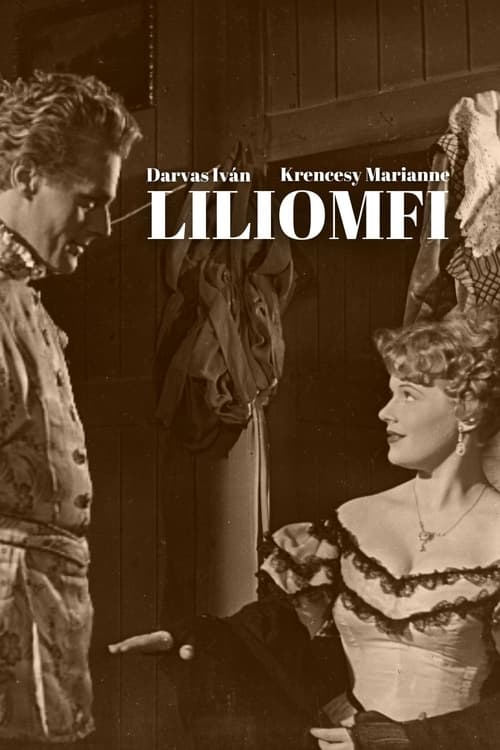
Liliomfi is a culturally specific musical comedy that prioritizes social critique over broad demographic representation. Its strength lies in its deconstruction of class-based authority and the subversion of traditional patriarchal clichés through its portrayal of a corrupt academic elite. However, the film remains limited by the historical and geographical constraints of its setting. It lacks ethnic diversity and explicit LGBTQ+ representation, adhering to the homogeneous social norms of mid-1950s Hungary. Ultimately, the film offers a progressive moral perspective regarding institutional power, even while maintaining traditional casting norms for race and gender identity.
Category Breakdown
The film focuses on a traditional romantic relationship between Mariska and Liliomfi. Although the setting suggests unconventional social structures, there are no explicit representations of LGBTQ+ identities.
The story challenges traditional patriarchal dominance by depicting Professor Szilvay as a hypocritical tyrant. Mariska plays a crucial role in both the romantic and narrative arcs.
Set in a specific Hungarian historical context, the film portrays a homogeneous ethnic landscape. There is no multi-ethnic casting or diverse racial representation.
The narrative effectively critiques established social institutions and corrupt authority figures. It favors the underrepresented traveling actors over the rigid, hypocritical structures of the academic elite.
There is no evidence of characters with visible or invisible disabilities driving the plot or serving as narrative devices.
Present on Screen
Limited or Absent
Official Synopsis
Set in the "Golden Era" of the wandering Hungarian theatre troupes. Mariska and Liliomfi fall in love without suspecting that Mariska's foster father, Professor Szilvay, is also Liliomfi's uncle. Soon the couple must contend with the professor's plan to make Liliomfi give up his "unrespectable" profession of acting by exposing the professor's hypocrisy, greed, and tyrannical selfishness.
1949
1954
1982
1950

1933
1962
1947

1962
No reviews yet. Be the first to share your thoughts on this movie!
Use the rating form above to leave a star rating and optional review.