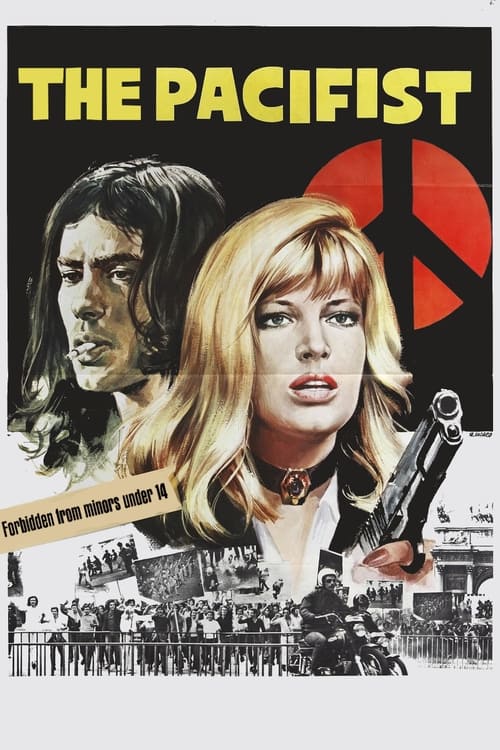
The Pacifist
1970
No user ratings available yet
Representation score: 4.7 out of 10
Representation Score
Limited
1971
RDirector
Bernardo Bertolucci
Runtime
108 minutes
Average Rating
No ratings yetNew Showbiz Analysis
Bertolucci’s work shines in its use of psychological complexity to critique systemic oppression and rigid straight-centered structures. The film’s strength lies in its sophisticated deconstruction of traditional social norms and institutional power. However, the film lacks demographic diversity. It operates within a deeply patriarchal framework and focuses on a homogeneous European ruling class, offering limited empowerment for women and minorities. Ultimately, the film is a profound study of how individuals succumb to conformity, using the protagonist's internal conflicts to question the legitimacy of historical Western political structures.
Category Breakdown
The film delves into repressed identity through subtle homoerotic undertones and sexual tension. It portrays the protagonist's fascist tendencies as a reaction to his own non-conforming impulses.
The story unfolds within a patriarchal framework where women often serve the protagonist's neuroses. It highlights how a totalitarian state exploits gender power imbalances to maintain control.
Set in 1930s Fascist Italy, the film centers on the Italian upper class. The absence of racial diversity reflects the historical context and the homogeneity of the ruling class.
The film provides a nuanced critique of Western institutions such as the family and the state. It depicts these structures as sources of trauma and systemic corruption.
There are no specific depictions of physical or neurodivergent disabilities. The protagonist's mental state is explored as a psychological case rather than a disability narrative.
Present on Screen
Limited or Absent
Official Synopsis
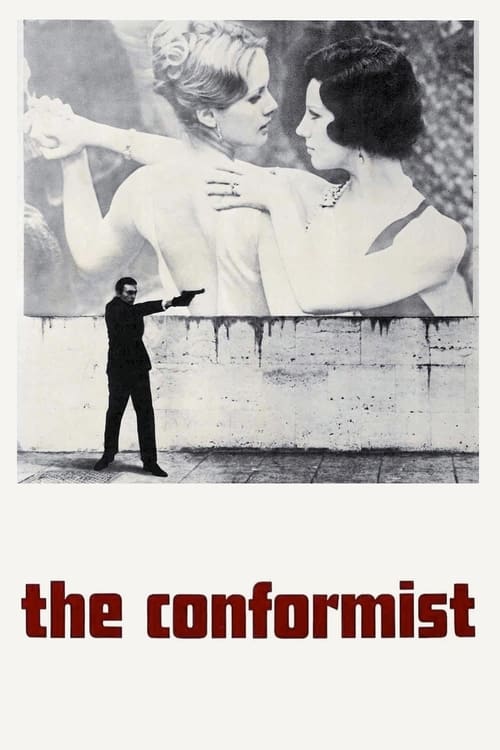
A weak-willed Italian man becomes a fascist flunky who goes abroad to arrange the assassination of his old teacher, now a political dissident.
1970
1970
1970
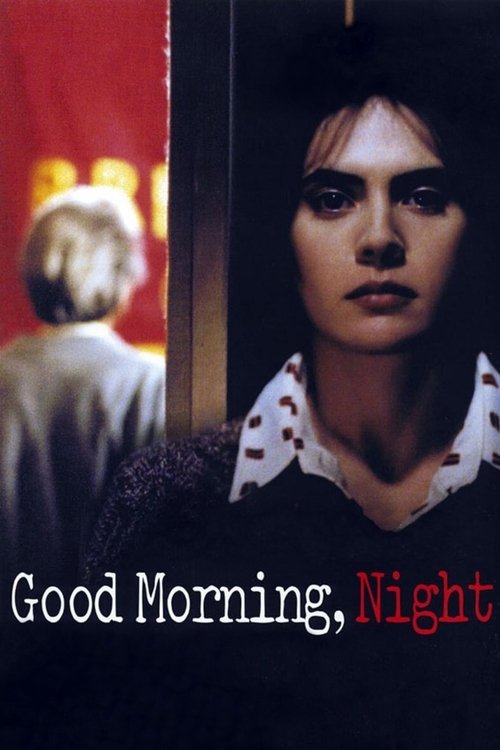
2003
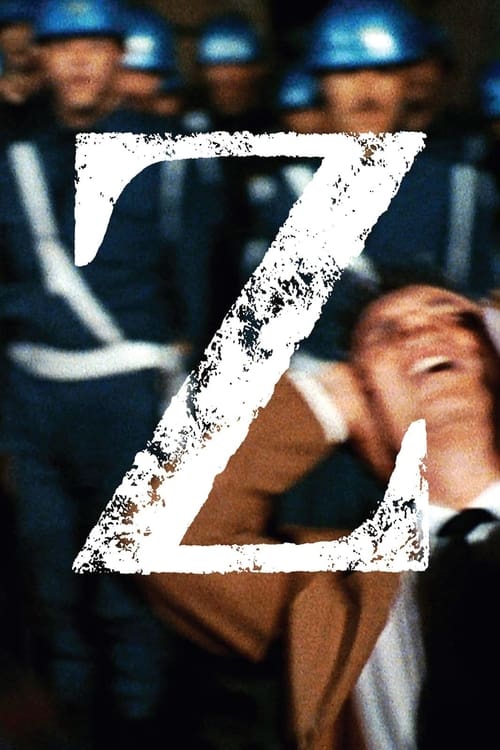
1969

1965
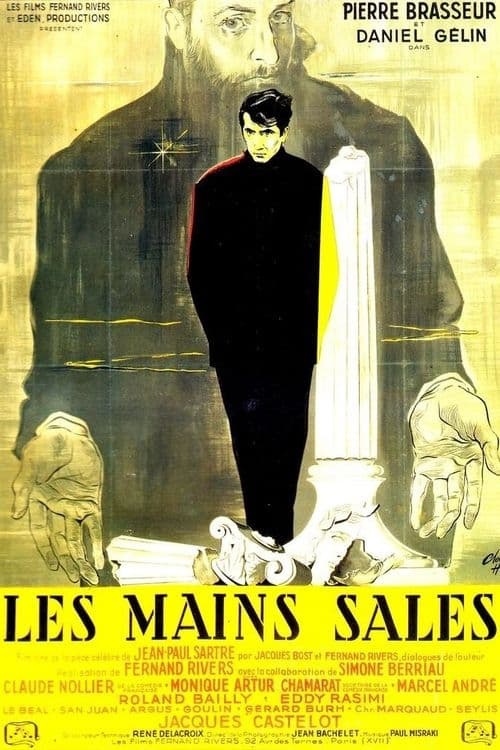
1951
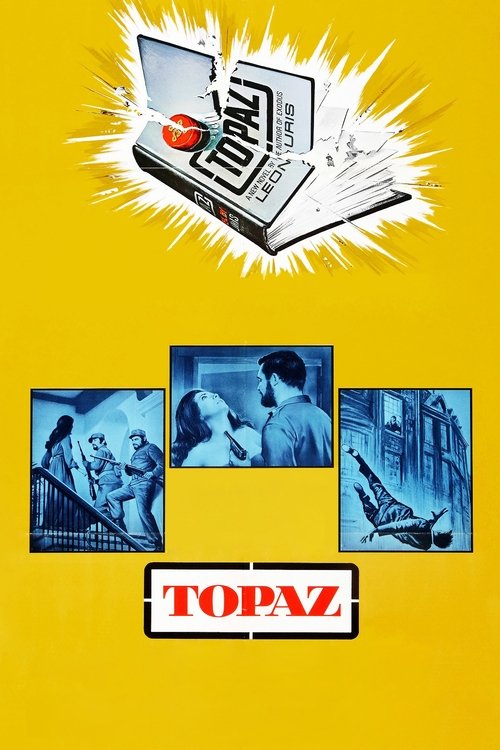
1969
No reviews yet. Be the first to share your thoughts on this movie!
Use the rating form above to leave a star rating and optional review.