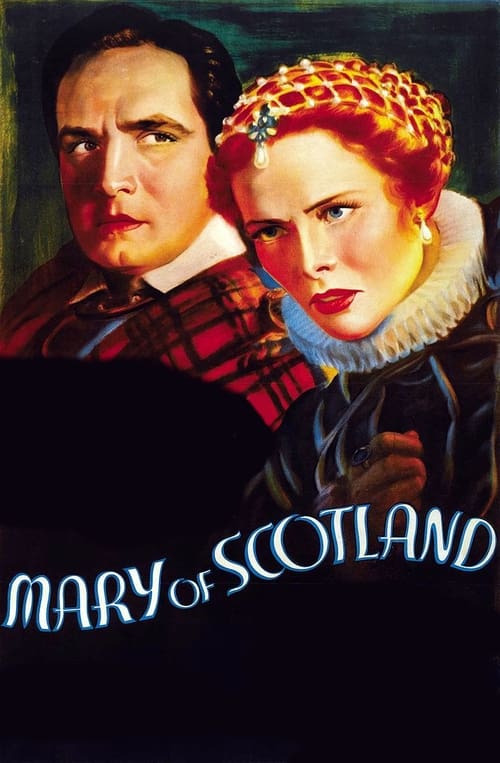
Mary of Scotland
1936
No user ratings available yet
Representation score: 2.1 out of 10
Representation Score
Limited
1935
Director
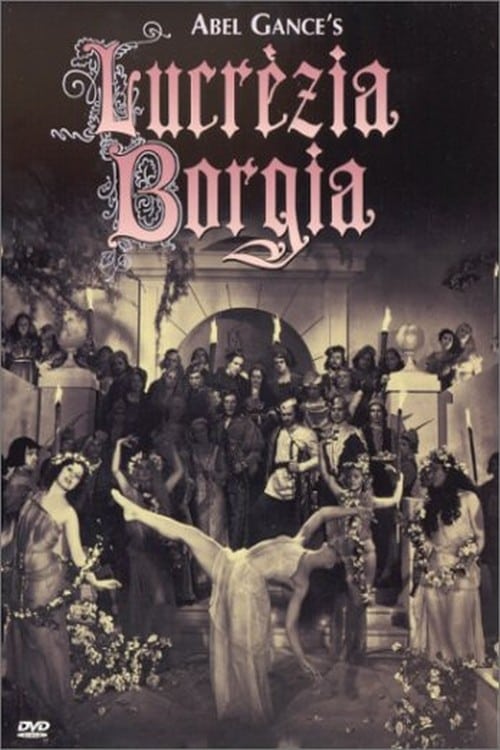
Abel Gance
Runtime
93 minutes
Average Rating
No ratings yetNew Showbiz Analysis
Abel Gance’s historical drama centers on the power struggles within the Borgia family. While it offers a strong female lead, the narrative is confined by the patriarchal norms of the Renaissance period. The film’s scope is limited by its historical context, leading to a lack of racial and ethnic diversity. It primarily focuses on institutional corruption rather than addressing modern social issues. Overall, the film effectively portrays intricate political maneuvering but falls short in representing a broad range of identities and experiences.
Category Breakdown
The film explores the political and romantic dynamics of the Borgia era but does not include characters with non-traditional gender identities.
Lucrezia Borgia is a central character who wields considerable influence but remains closely tied to the patriarchal structures controlled by her male relatives.
The production reflects the homogeneous demographics of Renaissance Italy, focusing on the social hierarchies of the time without incorporating actors from diverse backgrounds.
The story critiques the corruption and instability within the Catholic Church, challenging the notion of religious institutions as inherently moral or stable.
There is no documented evidence regarding the inclusion of characters with visible or invisible disabilities in this production.
Present on Screen
Limited or Absent
Official Synopsis
In 15th-century Rome, Cesare Borgia uses his sister Lucrezia as a political pawn, marrying her off to various noblemen to help unite Italy.
1936
1994
1956

1956

1939
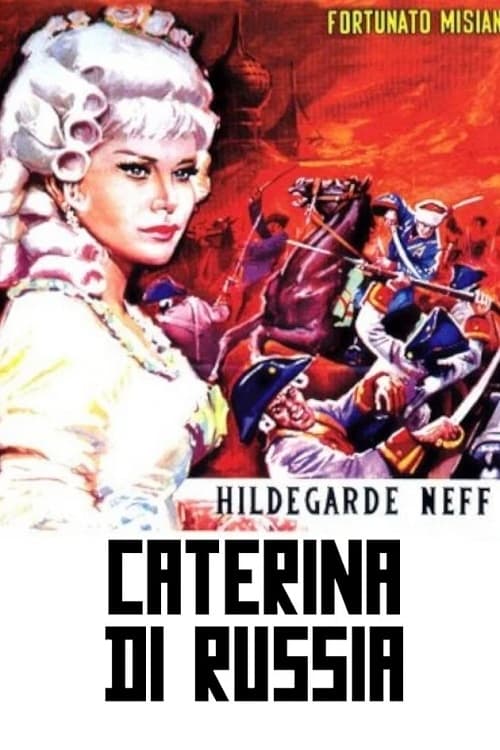
1963
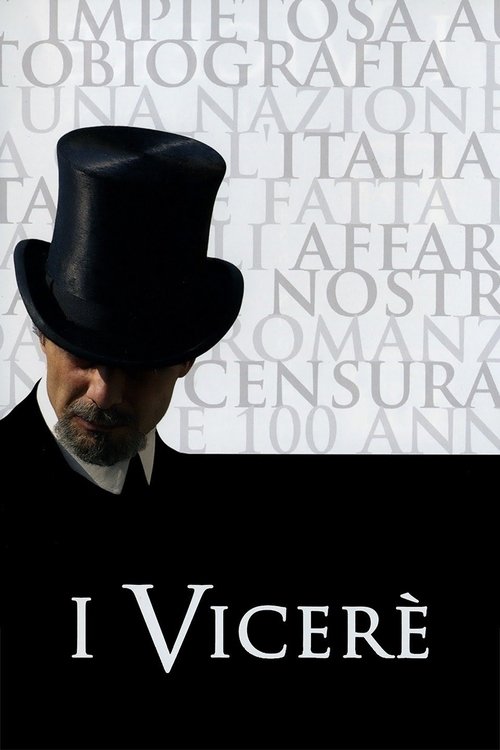
2007
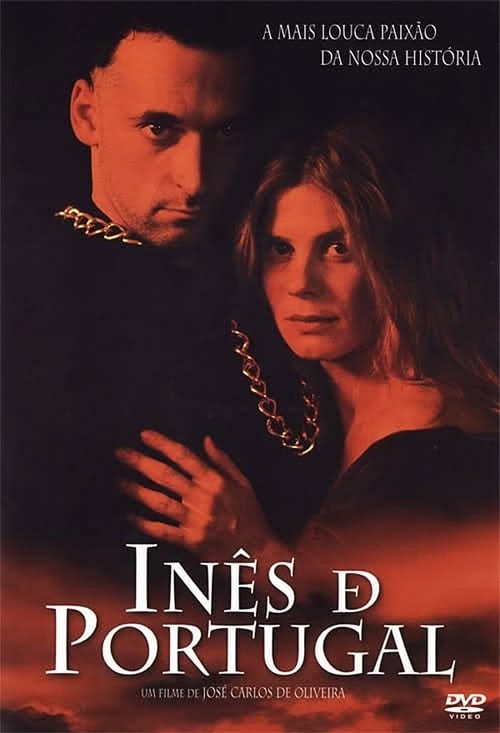
1997
No reviews yet. Be the first to share your thoughts on this movie!
Use the rating form above to leave a star rating and optional review.