Ciao! Manhattan
1973
No user ratings available yet
Representation score: 8.5 out of 10
Representation Score
Excellent
1996
RDirector
Mary Harron
Runtime
103 minutes
Average Rating
No ratings yetNew Showbiz Analysis
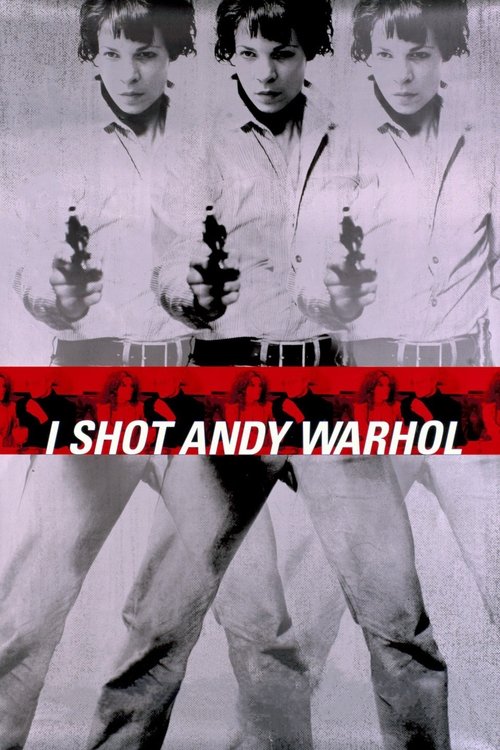
Mary Harron’s direction offers a sophisticated engagement with underrepresented histories, particularly through the lens of a misunderstood female protagonist. The film succeeds by presenting a complex study of systemic grievances and identity without sanitizing Solanas. The work is most successful in its integration of queer subcultures and its subversion of traditional gender hierarchies. By centering a radical, non-conformist perspective, it disrupts conventional biographical expectations and challenges traditional historical views. However, the film's scope is somewhat limited by its focus on a specific, insular demographic. While it captures the bohemian art scene accurately, it lacks broader racial diversity and occasionally relies on mental instability as a narrative driver.
Category Breakdown
The film is set in the 1960s Manhattan queer subcultures. It focuses on Andy Warhol’s 'Factory' as a safe space for those with diverse gender identities, featuring drag performers and queer social circles as key elements.
The narrative critiques patriarchal structures by centering Valerie Solanas. Women are shown as intelligent, disruptive agents of change rather than passive muses to male creators.
The focus remains primarily on the white, avant-garde underground of New York. While it avoids traditional domestic clichés, it lacks a broad range of racial diversity.
The film excels at challenging Western institutional norms through radical anti-capitalist sentiment. It explores a worldview that rejects established social and gender institutions as oppressive.
The story touches on neurodivergence and mental instability through Solanas. It explores the intersection of mental health and radical identity, though the character's volatility often drives the plot.
Present on Screen
Limited or Absent
Official Synopsis
The story of Valerie Solanas, a '60s radical who preached misandry in her "SCUM" manifesto. She wrote a screenplay for a film that she wanted Andy Warhol to produce, but he repeatedly ignored her. So she shot him.
1973
1982
2019
1975
1980
1977

1967
1977
No reviews yet. Be the first to share your thoughts on this movie!
Use the rating form above to leave a star rating and optional review.