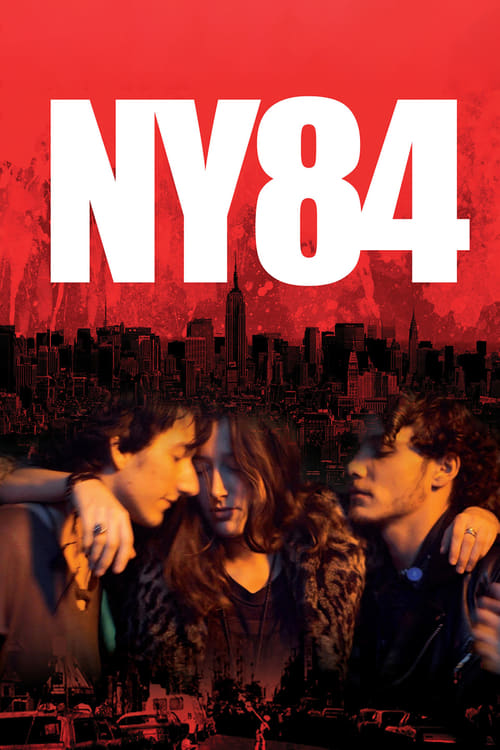
NY84
2016
No user ratings available yet
Representation score: 8.0 out of 10

Representation Score
Excellent
2020
Director
Todd Verow
Runtime
92 minutes
Average Rating
No ratings yetNew Showbiz Analysis
Goodbye Seventies is a focused study of a niche community, centering on a underrepresented and often stigmatized industry. It avoids standard historical drama clichés by prioritizing the lived experiences of those outside the mainstream. The film effectively uses the rise and fall of a subculture to critique the intersection of personal liberation and systemic devastation. It moves beyond simple biography to examine how technological shifts and health crises dismantle community structures. While the film excels in queer representation and thematic depth, its focus remains tightly bound to a specific subcultural identity. This narrow lens provides depth but limits the breadth of its social exploration.
Category Breakdown
The film focuses entirely on the queer experience within the 1970s New York gay pornography subculture. It portrays protagonists as active creators of their own sexual narratives rather than passive subjects.
The story challenges traditional masculine roles by exploring the vulnerability of performers. It highlights the emotional complexities and physical fragility within a community often defined by performative masculinity.
The narrative focuses heavily on a specific urban subculture in Times Square. While the setting suggests a diverse metropolitan environment, the plot prioritizes the social milieu of the adult industry.
The film provides a gritty historical examination of a specific era. It looks at how systemic crises like the AIDS epidemic and drug use affected underrepresented groups and their hedonistic lifestyles.
A career-ending injury serves as the protagonist's primary catalyst for change. Instead of portraying a broken character, the film uses this physical limitation to drive creative entrepreneurship and identity reconstruction.
Present on Screen
Limited or Absent
Official Synopsis
In the 1970s, the golden age of gay pornography in New York City, a promising chorus boy is injured and told he will never dance again. Distraught and unimpressed with the "art" films playing seedy Times Square theaters, he gets his friends and lovers together and they start making their own hardcore movies. Against all odds the films are wildly successful until drugs, AIDS and cheap video technology bring it all crashing down
2016
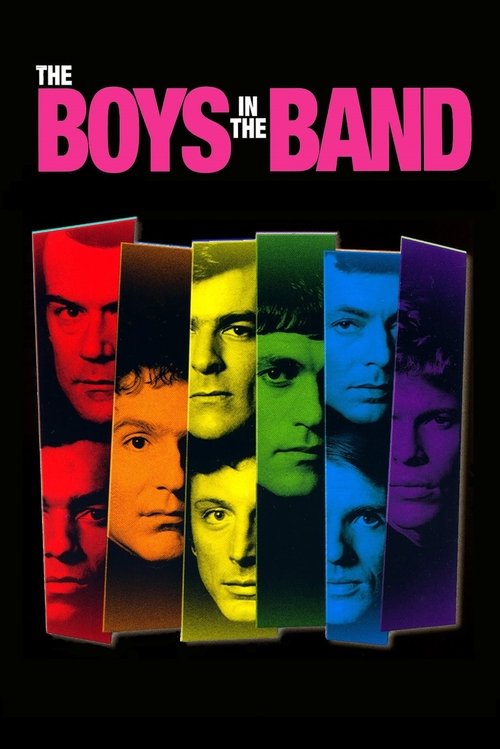
1970

1974

1994
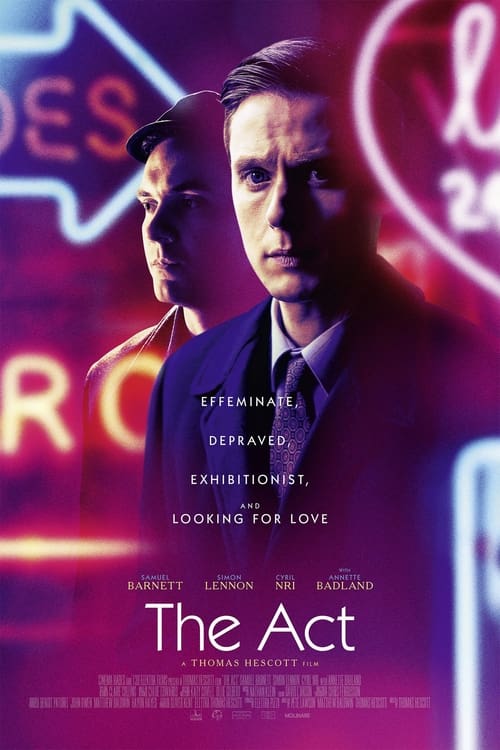
2020
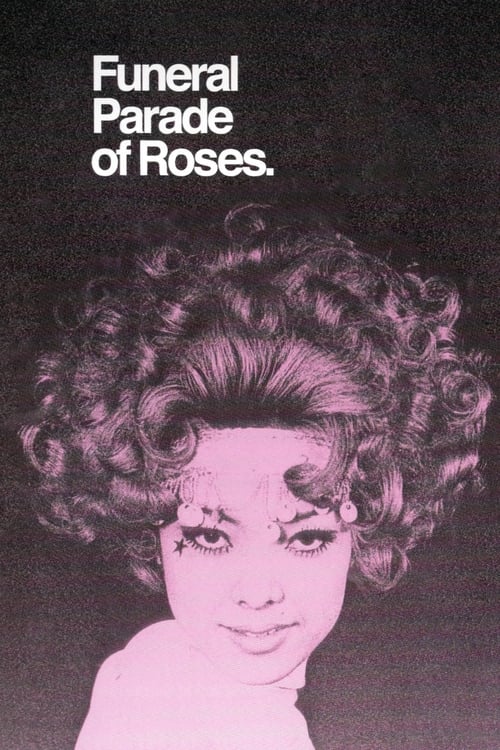
1969
2000
1981
No reviews yet. Be the first to share your thoughts on this movie!
Use the rating form above to leave a star rating and optional review.