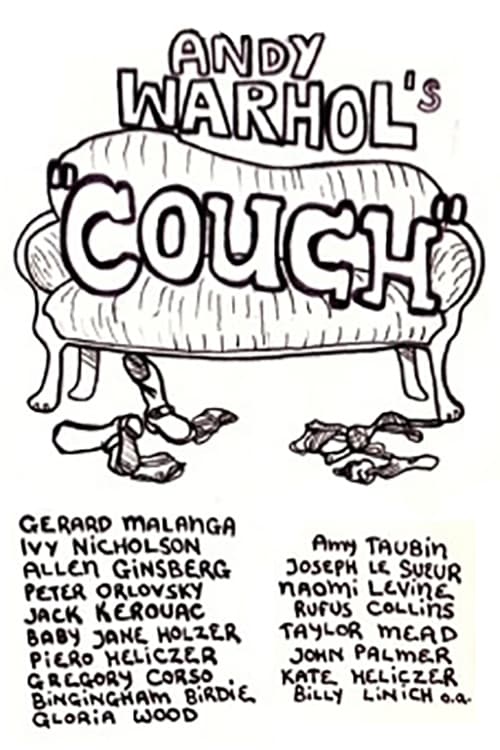
Couch
1964
No user ratings available yet
Representation score: 4.5 out of 10
Representation Score
Excellent
1966
UnratedDirector
Andy Warhol, Paul Morrissey
Runtime
210 minutes
Average Rating
No ratings yetNew Showbiz Analysis
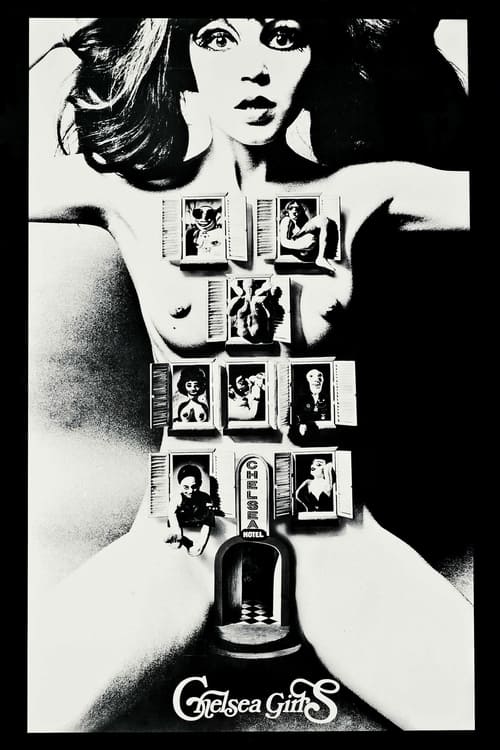
Chelsea Girls is a seminal postmodern work that challenges mid-century cinematic structures. Its primary strength lies in validating queer identities and social outsiders, disrupting conventional protagonist archetypes. The film excels in its commitment to moral relativism and its refusal to adhere to traditional storytelling constraints. It offers a non-judgmental perspective on bohemian and counterculture lifestyles. However, the film is limited by a lack of racial diversity, with a predominantly white cast. It also lacks explicit representation of physical or clinical disabilities, focusing instead on social status.
Category Breakdown
The film serves as a crucial historical record of queer visibility. By focusing on the Warhol Superstars, it validates non-straight identities as main subjects of art rather than mere novelties.
Traditional gender hierarchies are challenged by the absence of typical hero or heroine roles. Characters engage in egalitarian, fragmented social dynamics that avoid reinforcing patriarchal narratives.
The cast is predominantly white, reflecting the specific demographic of 1960s New York underground culture. It functions as a portrait of a specific subculture rather than a diverse racial tapestry.
The work embraces moral relativism and deconstructs traditional Western institutions. It frames bohemian, anti-social behavior as a form of liberation through a non-judgmental, secular lens.
Representation is found in neurodivergent behaviors like extreme boredom and unconventional social cues. However, there is no explicit focus on visible or clinical disabilities.
Present on Screen
Limited or Absent
Official Synopsis
Follows various residents of the Chelsea Hotel in 1966 New York City.
1964
1966

1967
1962
1980

1964

1967
1969
No reviews yet. Be the first to share your thoughts on this movie!
Use the rating form above to leave a star rating and optional review.