Once Upon a Time...
2013
No user ratings available yet
Representation score: 5.1 out of 10
Representation Score
Good
2022
NRDirector
Mary Harron
Runtime
97 minutes
Average Rating
No ratings yetNew Showbiz Analysis
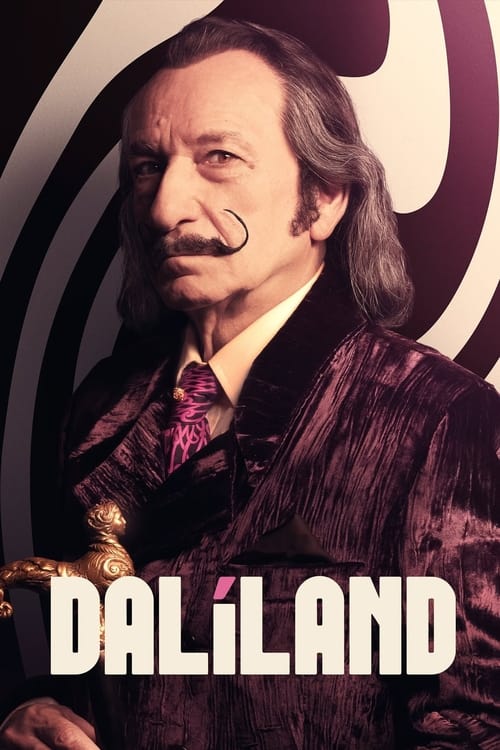
Mary Harron’s *Dalíland* is a nuanced character study that focuses on psychological complexity rather than broad demographic representation. It stands out by challenging traditional biographical narratives, shifting the focus from a straightforward recounting to a constructed performance of identity. The film’s primary strength is in its portrayal of women as powerful, active architects of the narrative, breaking away from the passive muse stereotype. However, the narrative remains confined by its homogeneous setting and a lack of overt LGBTQ+ or racial diversity. Overall, the film offers a sophisticated, non-traditional approach to historical storytelling, emphasizing the subjectivity of memory and the ethics of curation rather than traditional social inclusivity.
Category Breakdown
The film does not include explicit same-sex relationships or non-cisgender identities. It explores the idea that identity can be performed, but the main social structures still assume everyone is straight and cisgender.
The film challenges traditional gender roles by showing strong female figures like Gala and Dora Maar taking active control over Salvador Dalí’s image and career.
The cast and setting are predominantly white and European, reflecting the historical and socioeconomic context of the time.
The film questions the idea of a 'great man' by presenting the artist as a curated eccentric rather than a moral exemplar, embracing postmodern ideas of subjectivity and moral relativism.
The film explores mental and emotional instability through the lens of artistic temperament, but does not center neurodivergence or disability as key drivers of character development.
Present on Screen
Limited or Absent
Official Synopsis
In 1973, a young gallery assistant goes on a wild adventure behind the scenes as he helps aging genius Salvador Dali prepare for a big show in New York.
2013
2008
1976
2024
2019
2017
2017
2006
No reviews yet. Be the first to share your thoughts on this movie!
Use the rating form above to leave a star rating and optional review.