
The Making of a Japanese
2024
No user ratings available yet
Representation score: 4.0 out of 10
Representation Score
Limited
1954
Director
Susumu Hani
Runtime
30 minutes
Average Rating
No ratings yetNew Showbiz Analysis
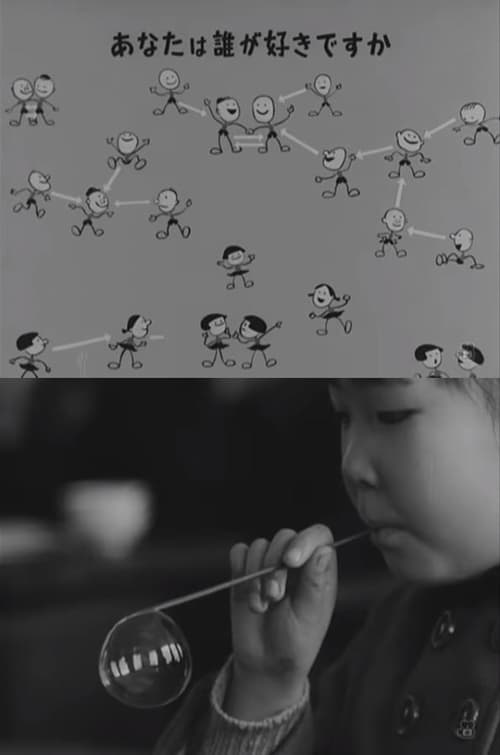
Susumu Hani’s documentary serves as a sociological study of post-war Japanese primary school students. Instead of focusing on modern multi-layered identity markers, the film emphasizes the unscripted, organic behaviors of children against the backdrop of institutional discipline. The film's strength lies in its observational method. By capturing the tension between the natural state of a child and the imposed state of a student, the film provides a nuanced view of human behavior outside formal systems. Ultimately, the film functions as a historical document. It lacks diverse representation in terms of race, gender subversion, or LGBTQ+ identities, but it succeeds in giving ability to act to its young subjects through a direct cinema approach.
Category Breakdown
The film does not include any LGBTQ+ characters or narratives. It focuses on the collective behavior of students in a typical 1950s Japanese school environment.
The film includes both male and female students, reflecting the traditional gender roles of the 1950s. It does not challenge or subvert traditional gender hierarchies.
The cast is ethnically uniform, representing the local demographics of a Japanese primary school. It does not blend racial identities or challenge casting norms.
The film highlights the tension between natural childhood impulses and the strict institutional rules of a school. It critiques the structured nature of traditional education.
There is no information indicating whether neurodivergence or physical disabilities are portrayed or given ability to act within the film.
Present on Screen
Limited or Absent
Official Synopsis
A short documentary about the behaviour of Japanese primary school students.
2024

2002

1963

2010

1984
1989
2003

1905
No reviews yet. Be the first to share your thoughts on this movie!
Use the rating form above to leave a star rating and optional review.