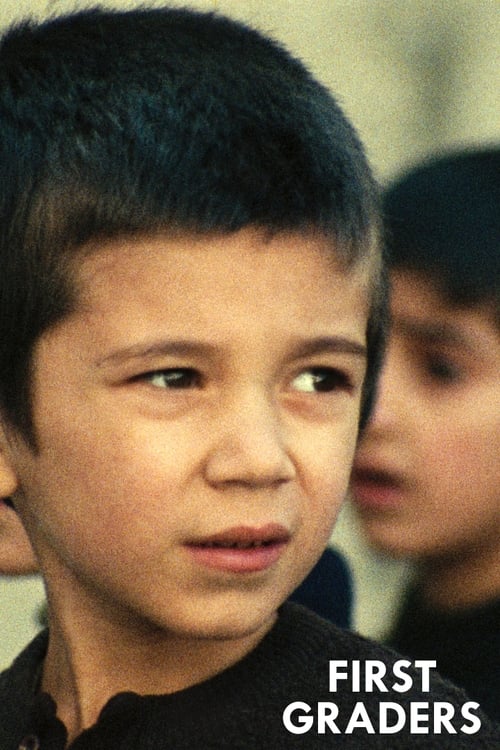
First Graders
1984
No user ratings available yet
Representation score: 4.7 out of 10
Representation Score
Fair
2003
Director
Noboru Kaetsu
Runtime
48 minutes
Average Rating
No ratings yetNew Showbiz Analysis
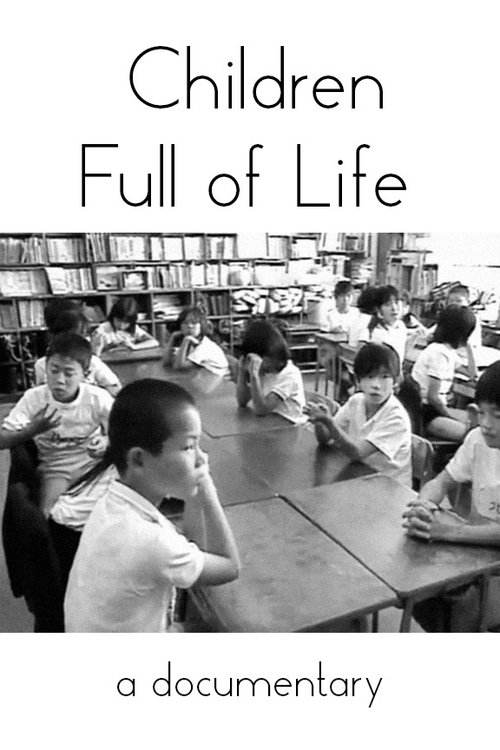
Children Full of Life is an observational documentary centered on a 4th-grade classroom. It explores pedagogical social dynamics, specifically how a teacher guides students through lessons on teamwork, community, and the emotional complexities of bullying. The film excels at addressing social cohesion and empathy. By focusing on how students cope with aggression and learn to live together, it provides a meaningful look at emotional intelligence and communal well-being. However, the work lacks diversity. Its localized focus offers little representation of LGBTQ+ identities, diverse racial backgrounds, or characters with disabilities.
Category Breakdown
The film focuses on classroom dynamics and bullying prevention. It does not explicitly depict non-binary gender identities or same-sex relationships.
The narrative centers on a 4th-grade classroom environment. While specific gender hierarchies are not detailed, the emphasis on teamwork suggests a communal approach to social development.
As a Japanese documentary, the casting likely reflects the demographic homogeneity of the local setting. It functions as a localized study of community rather than a work highlighting diverse racial backgrounds.
The film addresses bullying and openness, suggesting a focus on emotional intelligence. This approach challenges rigid social hierarchies by prioritizing communal well-being and individual coping mechanisms.
There is no specific evidence to confirm the presence of characters with visible or invisible disabilities or their roles within the classroom setting.
Present on Screen
Limited or Absent
Official Synopsis
Mr. Kanamori, a teacher of a 4th grade class, teaches his students not only how to be students, but how to live. He gives them lessons on teamwork, community, the importance of openness, how to cope, and the harm caused by bullying.
1984
2002

2025

2010

2016

2011

2024
2004
No reviews yet. Be the first to share your thoughts on this movie!
Use the rating form above to leave a star rating and optional review.